取消
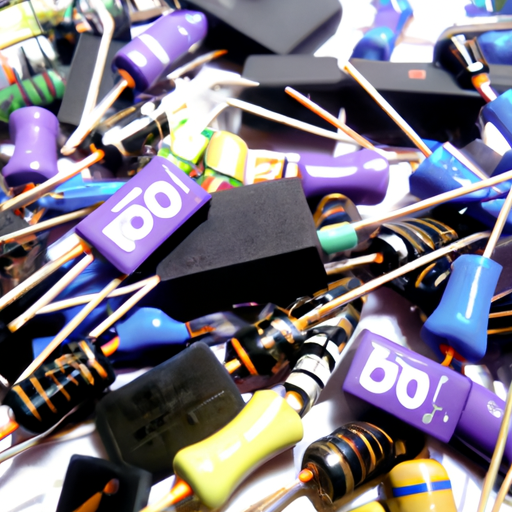
Resistors are fundamental components in electronic circuits, playing a crucial role in controlling current flow and voltage levels. They are essential for protecting sensitive components, dividing voltages, and setting bias points in various applications. With a wide variety of resistor types available, understanding their pricing can be vital for both hobbyists and professionals in the electronics field. This article aims to explore the pricing of popular resistor models currently in stock, providing insights into the factors that influence these prices and where to purchase them.
Fixed resistors are the most common type, providing a constant resistance value. They are widely used in electronic circuits for various applications.
1. **Carbon Film Resistors**: Made from a carbon film deposited on a ceramic substrate, these resistors are known for their low cost and decent performance. They are suitable for general-purpose applications.
2. **Metal Film Resistors**: These resistors offer better precision and stability than carbon film resistors. They are made by depositing a thin layer of metal on a ceramic substrate, making them ideal for applications requiring high accuracy.
3. **Wirewound Resistors**: Constructed by winding a metal wire around a ceramic or fiberglass core, wirewound resistors can handle high power levels and are often used in power applications.
Variable resistors allow users to adjust the resistance value, making them versatile components in electronic circuits.
1. **Potentiometers**: These are commonly used for adjusting volume in audio equipment and tuning in radios. They consist of a resistive element and a wiper that moves along the element to change resistance.
2. **Rheostats**: Similar to potentiometers but typically used for higher power applications, rheostats allow for the adjustment of current flow in a circuit.
Specialty resistors serve specific functions in electronic applications.
1. **Thermistors**: These temperature-sensitive resistors change resistance with temperature variations, making them ideal for temperature sensing and compensation.
2. **Photoresistors**: Also known as light-dependent resistors (LDRs), these components change resistance based on light exposure, commonly used in light-sensing applications.
Understanding the factors that influence resistor prices can help consumers make informed purchasing decisions.
The material used in manufacturing resistors significantly impacts their cost. Carbon, metal, and ceramic materials each have different properties and price points. For instance, metal film resistors tend to be more expensive than carbon film resistors due to their superior performance and precision.
The production methods used to create resistors can also affect pricing. More complex manufacturing processes, such as those used for precision resistors, typically result in higher costs. Additionally, economies of scale can play a role; larger manufacturers may offer lower prices due to mass production.
Resistors come with different tolerance levels, which indicate how much the actual resistance can vary from the stated value. Higher precision resistors with tighter tolerances are generally more expensive, as they require more stringent manufacturing processes and quality control.
The reputation of the manufacturer can influence pricing. Well-known brands often charge a premium for their products due to perceived quality and reliability. Consumers may be willing to pay more for resistors from trusted manufacturers, especially in critical applications.
Market dynamics, including demand and supply, can significantly impact resistor prices. Seasonal trends, such as increased demand during certain times of the year, can lead to price fluctuations. Additionally, global supply chain issues can affect availability and pricing.
Resistors are categorized into series based on their standard values, with the E12 and E24 series being the most common. These series provide a range of values that are widely used in electronic circuits.
1. **Carbon Film Resistors**: Typically priced between $0.01 and $0.10 per unit, carbon film resistors are an economical choice for general applications.
2. **Metal Film Resistors**: These resistors usually range from $0.10 to $0.50 per unit, depending on their precision and tolerance levels.
3. **Wirewound Resistors**: Prices for wirewound resistors can vary significantly, ranging from $0.50 to $5.00 or more, depending on power ratings and specifications.
1. **Potentiometers**: The price of potentiometers can range from $0.50 to $5.00, depending on their type, size, and specifications.
2. **Rheostats**: Rheostats are generally more expensive, with prices ranging from $1.00 to $10.00 or more, depending on their power handling capabilities.
1. **Thermistors**: Prices for thermistors typically range from $0.50 to $5.00, depending on their specifications and temperature range.
2. **Photoresistors**: Photoresistors are usually priced between $0.10 and $2.00, depending on their sensitivity and response time.
Online platforms such as Amazon, Digi-Key, and Mouser Electronics offer a wide selection of resistors at competitive prices. These retailers often provide detailed specifications, making it easier for consumers to find the right components for their projects.
Purchasing resistors from local electronics stores can be advantageous for those who prefer to see the products in person. Local stores may also offer immediate availability, allowing for quick project completion.
For those looking to buy in bulk, wholesale suppliers can provide significant savings. Bulk purchasing often results in lower per-unit costs, making it an attractive option for businesses and serious hobbyists.
Understanding the pricing of resistors is essential for electronics enthusiasts and professionals alike. Various factors, including material composition, manufacturing processes, tolerance levels, brand reputation, and market dynamics, all play a role in determining the cost of these components. By familiarizing themselves with popular resistor models and their price ranges, consumers can make informed purchasing decisions that align with their project needs.
In conclusion, whether you are a hobbyist building a simple circuit or a professional designing complex electronic systems, knowing the price and specifications of resistors can help you optimize your budget and ensure the success of your projects.
1. "Resistor Basics." Electronics Tutorials. [Link]
2. "Understanding Resistor Types." All About Circuits. [Link]
3. "How to Choose Resistors." Digi-Key Electronics. [Link]
4. "Resistor Pricing Trends." Mouser Electronics. [Link]
5. "The Role of Resistors in Electronic Circuits." Electronics Hub. [Link]
This blog post provides a comprehensive overview of resistor pricing, helping readers navigate the complexities of purchasing these essential electronic components.
Resistors are fundamental components in electronic circuits, playing a crucial role in controlling current flow and voltage levels. They are essential for protecting sensitive components, dividing voltages, and setting bias points in various applications. With a wide variety of resistor types available, understanding their pricing can be vital for both hobbyists and professionals in the electronics field. This article aims to explore the pricing of popular resistor models currently in stock, providing insights into the factors that influence these prices and where to purchase them.
Fixed resistors are the most common type, providing a constant resistance value. They are widely used in electronic circuits for various applications.
1. **Carbon Film Resistors**: Made from a carbon film deposited on a ceramic substrate, these resistors are known for their low cost and decent performance. They are suitable for general-purpose applications.
2. **Metal Film Resistors**: These resistors offer better precision and stability than carbon film resistors. They are made by depositing a thin layer of metal on a ceramic substrate, making them ideal for applications requiring high accuracy.
3. **Wirewound Resistors**: Constructed by winding a metal wire around a ceramic or fiberglass core, wirewound resistors can handle high power levels and are often used in power applications.
Variable resistors allow users to adjust the resistance value, making them versatile components in electronic circuits.
1. **Potentiometers**: These are commonly used for adjusting volume in audio equipment and tuning in radios. They consist of a resistive element and a wiper that moves along the element to change resistance.
2. **Rheostats**: Similar to potentiometers but typically used for higher power applications, rheostats allow for the adjustment of current flow in a circuit.
Specialty resistors serve specific functions in electronic applications.
1. **Thermistors**: These temperature-sensitive resistors change resistance with temperature variations, making them ideal for temperature sensing and compensation.
2. **Photoresistors**: Also known as light-dependent resistors (LDRs), these components change resistance based on light exposure, commonly used in light-sensing applications.
Understanding the factors that influence resistor prices can help consumers make informed purchasing decisions.
The material used in manufacturing resistors significantly impacts their cost. Carbon, metal, and ceramic materials each have different properties and price points. For instance, metal film resistors tend to be more expensive than carbon film resistors due to their superior performance and precision.
The production methods used to create resistors can also affect pricing. More complex manufacturing processes, such as those used for precision resistors, typically result in higher costs. Additionally, economies of scale can play a role; larger manufacturers may offer lower prices due to mass production.
Resistors come with different tolerance levels, which indicate how much the actual resistance can vary from the stated value. Higher precision resistors with tighter tolerances are generally more expensive, as they require more stringent manufacturing processes and quality control.
The reputation of the manufacturer can influence pricing. Well-known brands often charge a premium for their products due to perceived quality and reliability. Consumers may be willing to pay more for resistors from trusted manufacturers, especially in critical applications.
Market dynamics, including demand and supply, can significantly impact resistor prices. Seasonal trends, such as increased demand during certain times of the year, can lead to price fluctuations. Additionally, global supply chain issues can affect availability and pricing.
Resistors are categorized into series based on their standard values, with the E12 and E24 series being the most common. These series provide a range of values that are widely used in electronic circuits.
1. **Carbon Film Resistors**: Typically priced between $0.01 and $0.10 per unit, carbon film resistors are an economical choice for general applications.
2. **Metal Film Resistors**: These resistors usually range from $0.10 to $0.50 per unit, depending on their precision and tolerance levels.
3. **Wirewound Resistors**: Prices for wirewound resistors can vary significantly, ranging from $0.50 to $5.00 or more, depending on power ratings and specifications.
1. **Potentiometers**: The price of potentiometers can range from $0.50 to $5.00, depending on their type, size, and specifications.
2. **Rheostats**: Rheostats are generally more expensive, with prices ranging from $1.00 to $10.00 or more, depending on their power handling capabilities.
1. **Thermistors**: Prices for thermistors typically range from $0.50 to $5.00, depending on their specifications and temperature range.
2. **Photoresistors**: Photoresistors are usually priced between $0.10 and $2.00, depending on their sensitivity and response time.
Online platforms such as Amazon, Digi-Key, and Mouser Electronics offer a wide selection of resistors at competitive prices. These retailers often provide detailed specifications, making it easier for consumers to find the right components for their projects.
Purchasing resistors from local electronics stores can be advantageous for those who prefer to see the products in person. Local stores may also offer immediate availability, allowing for quick project completion.
For those looking to buy in bulk, wholesale suppliers can provide significant savings. Bulk purchasing often results in lower per-unit costs, making it an attractive option for businesses and serious hobbyists.
Understanding the pricing of resistors is essential for electronics enthusiasts and professionals alike. Various factors, including material composition, manufacturing processes, tolerance levels, brand reputation, and market dynamics, all play a role in determining the cost of these components. By familiarizing themselves with popular resistor models and their price ranges, consumers can make informed purchasing decisions that align with their project needs.
In conclusion, whether you are a hobbyist building a simple circuit or a professional designing complex electronic systems, knowing the price and specifications of resistors can help you optimize your budget and ensure the success of your projects.
1. "Resistor Basics." Electronics Tutorials. [Link]
2. "Understanding Resistor Types." All About Circuits. [Link]
3. "How to Choose Resistors." Digi-Key Electronics. [Link]
4. "Resistor Pricing Trends." Mouser Electronics. [Link]
5. "The Role of Resistors in Electronic Circuits." Electronics Hub. [Link]
This blog post provides a comprehensive overview of resistor pricing, helping readers navigate the complexities of purchasing these essential electronic components.