取消
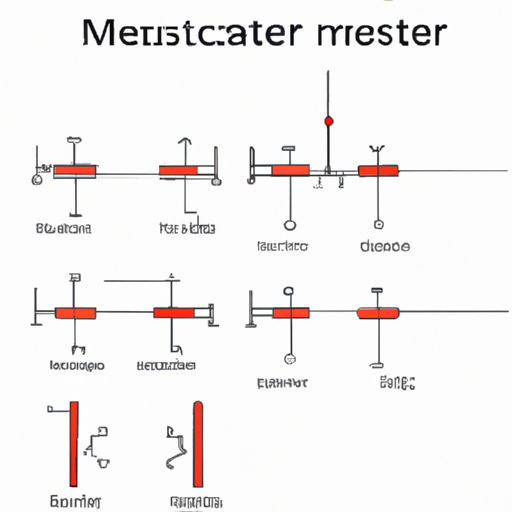
In the world of electronics, resistors play a crucial role in controlling the flow of electric current. Understanding how to wire resistors correctly is essential for anyone involved in circuit design or troubleshooting. This is where resistor wiring diagrams come into play. These diagrams provide a visual representation of how resistors are connected within a circuit, making it easier to comprehend their function and purpose. In this article, we will explore the basics of resistors, common configurations, popular wiring diagrams, and best practices for reading and creating these diagrams.
A resistor is a passive electrical component that limits the flow of electric current in a circuit. Its primary function is to provide resistance, which is measured in ohms (Ω). Resistors are used in various applications, from simple circuits to complex electronic devices.
The main purpose of a resistor is to control the amount of current flowing through a circuit. By doing so, resistors help protect sensitive components from excessive current, divide voltages, and set biasing conditions in transistors and operational amplifiers.
There are several types of resistors, including fixed resistors, variable resistors (potentiometers), and specialized resistors like thermistors and photoresistors. Each type serves a specific purpose and is chosen based on the requirements of the circuit.
Ohm's Law is a fundamental principle in electronics that relates voltage (V), current (I), and resistance (R). It states that V = I × R. This relationship is crucial for understanding how resistors function within a circuit.
Resistance is the opposition to the flow of electric current, voltage is the potential difference that drives current through a circuit, and current is the flow of electric charge. Understanding these concepts is essential for interpreting resistor wiring diagrams.
In a series configuration, resistors are connected end-to-end, and the same current flows through each resistor. The total resistance is the sum of the individual resistances.
```
R1 ---- R2 ---- R3
```
Series configurations are commonly used in applications where a specific voltage drop is required across each resistor, such as in LED circuits.
In a parallel configuration, resistors are connected across the same two points, and the voltage across each resistor is the same. The total resistance is less than the smallest individual resistance.
```
R1
|
---|---
|
R2
|
---|---
|
R3
```
Parallel configurations are often used in power distribution systems, where multiple paths for current flow are needed to ensure reliability.
This configuration combines both series and parallel connections, allowing for more complex circuit designs. The total resistance can be calculated using both series and parallel formulas.
```
R1
|
---|--- R2
|
R3
```
Series-parallel configurations are used in various applications, including audio systems and complex electronic devices, where different voltage levels are required.
A voltage divider circuit is used to produce a specific output voltage that is a fraction of the input voltage. It consists of two resistors in series.
```
Vin ---- R1 ---- R2 ---- GND
|
Vout
```
Voltage dividers are commonly used in sensor applications, where a specific voltage level is needed for further processing.
A current divider circuit is used to split the current among multiple branches. It is typically used in parallel resistor configurations.
```
R1
|
---|--- R2
|
R3
```
Current dividers are often used in measurement applications, where current needs to be distributed among different components.
Pull-up and pull-down resistors are used to ensure that a digital input pin is at a defined logic level when not actively driven. A pull-up resistor connects the pin to a high voltage, while a pull-down resistor connects it to ground.
**Pull-Up Resistor:**
```
Vcc
|
R
|
Pin ---- GND
```
**Pull-Down Resistor:**
```
GND
|
R
|
Pin ---- Vcc
```
These resistors are commonly used in microcontroller circuits to prevent floating inputs, ensuring reliable operation.
A resistor network consists of multiple resistors connected in a specific configuration to achieve a desired resistance value or to perform a specific function.
```
R1
|
---|--- R2
|
R3
```
Resistor networks are used in applications such as analog signal processing and filtering.
The Wheatstone Bridge is a circuit used to measure unknown resistances by balancing two legs of a bridge circuit.
```
R1 R2
| |
---|---|---|---|---
| |
R3 Rx
```
Wheatstone Bridges are commonly used in strain gauge applications and other precision measurement systems.
Operational amplifiers (op-amps) often use resistors in their feedback and input stages to set gain and control signal levels.
```
R1
|
---|---|---|---|---
| |
Vin Vout
```
Op-amp circuits are widely used in signal conditioning, filtering, and amplification applications.
Familiarize yourself with common symbols used in wiring diagrams, such as resistors, voltage sources, and ground connections. This knowledge will help you interpret diagrams accurately.
When creating wiring diagrams, ensure that connections are clear and that the layout is organized. Use consistent symbols and labeling to avoid confusion.
Be cautious of common mistakes, such as incorrect resistor values, mislabeling connections, and overlooking the power ratings of resistors.
In conclusion, understanding resistor wiring diagrams is essential for anyone working with electronic circuits. From basic configurations to advanced applications, resistors play a vital role in controlling current and voltage levels. By mastering these diagrams, you can enhance your circuit design skills and troubleshoot issues more effectively. We encourage you to continue exploring the fascinating world of electronics and deepen your knowledge of resistors and their applications.
1. "The Art of Electronics" by Paul Horowitz and Winfield Hill
2. "Electronics for Dummies" by Cathleen Shamieh
1. Khan Academy - Electrical Engineering
2. All About Circuits - Resistor Basics
By understanding the various models of resistor wiring diagrams and their applications, you can become more proficient in designing and analyzing electronic circuits. Happy learning!
In the world of electronics, resistors play a crucial role in controlling the flow of electric current. Understanding how to wire resistors correctly is essential for anyone involved in circuit design or troubleshooting. This is where resistor wiring diagrams come into play. These diagrams provide a visual representation of how resistors are connected within a circuit, making it easier to comprehend their function and purpose. In this article, we will explore the basics of resistors, common configurations, popular wiring diagrams, and best practices for reading and creating these diagrams.
A resistor is a passive electrical component that limits the flow of electric current in a circuit. Its primary function is to provide resistance, which is measured in ohms (Ω). Resistors are used in various applications, from simple circuits to complex electronic devices.
The main purpose of a resistor is to control the amount of current flowing through a circuit. By doing so, resistors help protect sensitive components from excessive current, divide voltages, and set biasing conditions in transistors and operational amplifiers.
There are several types of resistors, including fixed resistors, variable resistors (potentiometers), and specialized resistors like thermistors and photoresistors. Each type serves a specific purpose and is chosen based on the requirements of the circuit.
Ohm's Law is a fundamental principle in electronics that relates voltage (V), current (I), and resistance (R). It states that V = I × R. This relationship is crucial for understanding how resistors function within a circuit.
Resistance is the opposition to the flow of electric current, voltage is the potential difference that drives current through a circuit, and current is the flow of electric charge. Understanding these concepts is essential for interpreting resistor wiring diagrams.
In a series configuration, resistors are connected end-to-end, and the same current flows through each resistor. The total resistance is the sum of the individual resistances.
```
R1 ---- R2 ---- R3
```
Series configurations are commonly used in applications where a specific voltage drop is required across each resistor, such as in LED circuits.
In a parallel configuration, resistors are connected across the same two points, and the voltage across each resistor is the same. The total resistance is less than the smallest individual resistance.
```
R1
|
---|---
|
R2
|
---|---
|
R3
```
Parallel configurations are often used in power distribution systems, where multiple paths for current flow are needed to ensure reliability.
This configuration combines both series and parallel connections, allowing for more complex circuit designs. The total resistance can be calculated using both series and parallel formulas.
```
R1
|
---|--- R2
|
R3
```
Series-parallel configurations are used in various applications, including audio systems and complex electronic devices, where different voltage levels are required.
A voltage divider circuit is used to produce a specific output voltage that is a fraction of the input voltage. It consists of two resistors in series.
```
Vin ---- R1 ---- R2 ---- GND
|
Vout
```
Voltage dividers are commonly used in sensor applications, where a specific voltage level is needed for further processing.
A current divider circuit is used to split the current among multiple branches. It is typically used in parallel resistor configurations.
```
R1
|
---|--- R2
|
R3
```
Current dividers are often used in measurement applications, where current needs to be distributed among different components.
Pull-up and pull-down resistors are used to ensure that a digital input pin is at a defined logic level when not actively driven. A pull-up resistor connects the pin to a high voltage, while a pull-down resistor connects it to ground.
**Pull-Up Resistor:**
```
Vcc
|
R
|
Pin ---- GND
```
**Pull-Down Resistor:**
```
GND
|
R
|
Pin ---- Vcc
```
These resistors are commonly used in microcontroller circuits to prevent floating inputs, ensuring reliable operation.
A resistor network consists of multiple resistors connected in a specific configuration to achieve a desired resistance value or to perform a specific function.
```
R1
|
---|--- R2
|
R3
```
Resistor networks are used in applications such as analog signal processing and filtering.
The Wheatstone Bridge is a circuit used to measure unknown resistances by balancing two legs of a bridge circuit.
```
R1 R2
| |
---|---|---|---|---
| |
R3 Rx
```
Wheatstone Bridges are commonly used in strain gauge applications and other precision measurement systems.
Operational amplifiers (op-amps) often use resistors in their feedback and input stages to set gain and control signal levels.
```
R1
|
---|---|---|---|---
| |
Vin Vout
```
Op-amp circuits are widely used in signal conditioning, filtering, and amplification applications.
Familiarize yourself with common symbols used in wiring diagrams, such as resistors, voltage sources, and ground connections. This knowledge will help you interpret diagrams accurately.
When creating wiring diagrams, ensure that connections are clear and that the layout is organized. Use consistent symbols and labeling to avoid confusion.
Be cautious of common mistakes, such as incorrect resistor values, mislabeling connections, and overlooking the power ratings of resistors.
In conclusion, understanding resistor wiring diagrams is essential for anyone working with electronic circuits. From basic configurations to advanced applications, resistors play a vital role in controlling current and voltage levels. By mastering these diagrams, you can enhance your circuit design skills and troubleshoot issues more effectively. We encourage you to continue exploring the fascinating world of electronics and deepen your knowledge of resistors and their applications.
1. "The Art of Electronics" by Paul Horowitz and Winfield Hill
2. "Electronics for Dummies" by Cathleen Shamieh
1. Khan Academy - Electrical Engineering
2. All About Circuits - Resistor Basics
By understanding the various models of resistor wiring diagrams and their applications, you can become more proficient in designing and analyzing electronic circuits. Happy learning!