取消
In the world of electronics, resistors play a crucial role in controlling current flow and managing voltage levels. Among the various types of resistors, power wirewound resistors stand out due to their unique construction and capabilities. This blog post aims to explore the significance of power wirewound resistors in practical applications, delving into their characteristics, advantages, and the diverse fields where they are employed.
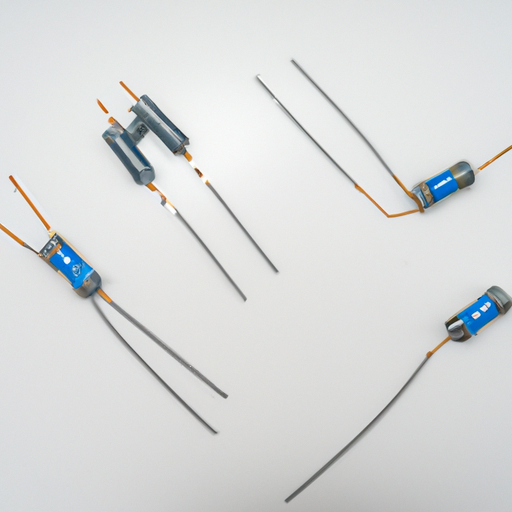
Power wirewound resistors are constructed by winding a metal wire, typically made of nickel-chromium or copper-nickel alloy, around a ceramic or fiberglass core. This design allows for efficient heat dissipation and high power handling capabilities. The wire is often coated with a resistive material to achieve the desired resistance value.
Power wirewound resistors are characterized by several key specifications:
1. **Resistance Values**: They are available in a wide range of resistance values, typically from a few ohms to several megaohms, making them suitable for various applications.
2. **Power Ratings**: These resistors can handle significant power levels, often ranging from a few watts to several kilowatts, depending on their size and design.
3. **Tolerance Levels**: Power wirewound resistors generally have low tolerance levels, often around 1% to 5%, ensuring precise performance in critical applications.
4. **Temperature Coefficients**: They exhibit low temperature coefficients, meaning their resistance values remain stable across a wide temperature range, which is essential for maintaining circuit integrity.
Power wirewound resistors offer several advantages that make them a preferred choice in many applications:
One of the most significant benefits of power wirewound resistors is their ability to handle high power levels without overheating. This makes them ideal for applications where large amounts of current need to be managed.
These resistors maintain their performance even under varying temperature conditions. Their construction allows for efficient heat dissipation, which is crucial in preventing thermal runaway and ensuring long-term reliability.
Power wirewound resistors produce minimal electrical noise, making them suitable for sensitive applications such as audio equipment and precision measurement devices.
The robust construction of power wirewound resistors ensures they can withstand harsh environmental conditions, making them reliable components in industrial and automotive applications.
Due to their wide range of resistance values and power ratings, power wirewound resistors can be used in various applications, from consumer electronics to industrial machinery.
Power wirewound resistors find applications across multiple industries, showcasing their versatility and reliability.
In power electronics, these resistors are commonly used in power supplies and motor control circuits. They help regulate voltage and current, ensuring stable operation of electronic devices.
Power wirewound resistors are essential in industrial settings, particularly in load banks and test equipment. They are used to simulate electrical loads for testing purposes, ensuring that equipment operates within specified parameters.
With the rise of electric vehicles (EVs), power wirewound resistors have become increasingly important in automotive applications. They are used in battery management systems to monitor and control battery performance, ensuring safety and efficiency.
In telecommunications, these resistors play a vital role in signal processing and network equipment. They help manage signal integrity and reduce interference, which is crucial for maintaining communication quality.
Power wirewound resistors are widely used in consumer electronics, including audio equipment and home appliances. Their low noise characteristics and reliability make them ideal for high-fidelity audio systems and other sensitive devices.
When comparing power wirewound resistors to other types, such as carbon film and metal film resistors, several factors come into play.
While carbon film resistors are cost-effective and suitable for low-power applications, they cannot handle the high power levels that wirewound resistors can. Additionally, wirewound resistors offer better thermal stability and lower noise.
Metal film resistors provide higher precision and lower noise than carbon film resistors, but they typically have lower power ratings compared to wirewound resistors. Wirewound resistors are preferred in high-power applications where durability and heat dissipation are critical.
The choice between resistor types often depends on the specific application requirements, including power handling, precision, and cost considerations. Power wirewound resistors excel in high-power and high-temperature environments, while other types may be more suitable for low-power, high-precision applications.
Despite their advantages, power wirewound resistors come with challenges that must be considered.
While these resistors are designed to handle heat, effective heat dissipation is crucial to prevent overheating. Proper thermal management strategies, such as heat sinks or ventilation, may be necessary in high-power applications.
Power wirewound resistors can be larger than other resistor types, which may pose challenges in compact electronic designs. Designers must consider the available space and the resistor's physical dimensions.
Power wirewound resistors can be more expensive than other types, particularly for high-power applications. Budget constraints may influence the choice of resistor type in some projects.
Manufacturers must ensure that power wirewound resistors comply with environmental regulations, such as RoHS (Restriction of Hazardous Substances). This compliance is essential for market acceptance and sustainability.
The field of resistor technology is continually evolving, with several trends shaping the future of power wirewound resistors.
Innovations in materials science are leading to the development of more efficient and durable resistors. New materials may enhance thermal stability and power handling capabilities.
As the Internet of Things (IoT) and smart technologies become more prevalent, power wirewound resistors may be integrated into smart devices for improved performance and monitoring capabilities.
With growing environmental concerns, manufacturers are focusing on creating eco-friendly resistor designs. This includes using sustainable materials and processes to reduce the environmental impact of production.
Power wirewound resistors play a vital role in modern electronics, offering high power handling, excellent thermal stability, and versatility across various applications. Their unique characteristics make them indispensable in power electronics, industrial settings, automotive systems, telecommunications, and consumer electronics. As technology continues to advance, the importance of understanding and utilizing power wirewound resistors will only grow. For engineers and designers, exploring the capabilities and applications of these resistors is essential for developing reliable and efficient electronic systems.
For further reading and exploration of power wirewound resistors, consider the following resources:
1. "Resistor Technology: A Comprehensive Guide" - A detailed overview of resistor types and applications.
2. "Power Resistors: Design and Applications" - A technical resource for engineers working with power resistors.
3. Industry standards and guidelines from organizations such as the International Electrotechnical Commission (IEC) and the Institute of Electrical and Electronics Engineers (IEEE).
By understanding the role of power wirewound resistors, professionals can make informed decisions that enhance the performance and reliability of their electronic designs.
In the world of electronics, resistors play a crucial role in controlling current flow and managing voltage levels. Among the various types of resistors, power wirewound resistors stand out due to their unique construction and capabilities. This blog post aims to explore the significance of power wirewound resistors in practical applications, delving into their characteristics, advantages, and the diverse fields where they are employed.
Power wirewound resistors are constructed by winding a metal wire, typically made of nickel-chromium or copper-nickel alloy, around a ceramic or fiberglass core. This design allows for efficient heat dissipation and high power handling capabilities. The wire is often coated with a resistive material to achieve the desired resistance value.
Power wirewound resistors are characterized by several key specifications:
1. **Resistance Values**: They are available in a wide range of resistance values, typically from a few ohms to several megaohms, making them suitable for various applications.
2. **Power Ratings**: These resistors can handle significant power levels, often ranging from a few watts to several kilowatts, depending on their size and design.
3. **Tolerance Levels**: Power wirewound resistors generally have low tolerance levels, often around 1% to 5%, ensuring precise performance in critical applications.
4. **Temperature Coefficients**: They exhibit low temperature coefficients, meaning their resistance values remain stable across a wide temperature range, which is essential for maintaining circuit integrity.
Power wirewound resistors offer several advantages that make them a preferred choice in many applications:
One of the most significant benefits of power wirewound resistors is their ability to handle high power levels without overheating. This makes them ideal for applications where large amounts of current need to be managed.
These resistors maintain their performance even under varying temperature conditions. Their construction allows for efficient heat dissipation, which is crucial in preventing thermal runaway and ensuring long-term reliability.
Power wirewound resistors produce minimal electrical noise, making them suitable for sensitive applications such as audio equipment and precision measurement devices.
The robust construction of power wirewound resistors ensures they can withstand harsh environmental conditions, making them reliable components in industrial and automotive applications.
Due to their wide range of resistance values and power ratings, power wirewound resistors can be used in various applications, from consumer electronics to industrial machinery.
Power wirewound resistors find applications across multiple industries, showcasing their versatility and reliability.
In power electronics, these resistors are commonly used in power supplies and motor control circuits. They help regulate voltage and current, ensuring stable operation of electronic devices.
Power wirewound resistors are essential in industrial settings, particularly in load banks and test equipment. They are used to simulate electrical loads for testing purposes, ensuring that equipment operates within specified parameters.
With the rise of electric vehicles (EVs), power wirewound resistors have become increasingly important in automotive applications. They are used in battery management systems to monitor and control battery performance, ensuring safety and efficiency.
In telecommunications, these resistors play a vital role in signal processing and network equipment. They help manage signal integrity and reduce interference, which is crucial for maintaining communication quality.
Power wirewound resistors are widely used in consumer electronics, including audio equipment and home appliances. Their low noise characteristics and reliability make them ideal for high-fidelity audio systems and other sensitive devices.
When comparing power wirewound resistors to other types, such as carbon film and metal film resistors, several factors come into play.
While carbon film resistors are cost-effective and suitable for low-power applications, they cannot handle the high power levels that wirewound resistors can. Additionally, wirewound resistors offer better thermal stability and lower noise.
Metal film resistors provide higher precision and lower noise than carbon film resistors, but they typically have lower power ratings compared to wirewound resistors. Wirewound resistors are preferred in high-power applications where durability and heat dissipation are critical.
The choice between resistor types often depends on the specific application requirements, including power handling, precision, and cost considerations. Power wirewound resistors excel in high-power and high-temperature environments, while other types may be more suitable for low-power, high-precision applications.
Despite their advantages, power wirewound resistors come with challenges that must be considered.
While these resistors are designed to handle heat, effective heat dissipation is crucial to prevent overheating. Proper thermal management strategies, such as heat sinks or ventilation, may be necessary in high-power applications.
Power wirewound resistors can be larger than other resistor types, which may pose challenges in compact electronic designs. Designers must consider the available space and the resistor's physical dimensions.
Power wirewound resistors can be more expensive than other types, particularly for high-power applications. Budget constraints may influence the choice of resistor type in some projects.
Manufacturers must ensure that power wirewound resistors comply with environmental regulations, such as RoHS (Restriction of Hazardous Substances). This compliance is essential for market acceptance and sustainability.
The field of resistor technology is continually evolving, with several trends shaping the future of power wirewound resistors.
Innovations in materials science are leading to the development of more efficient and durable resistors. New materials may enhance thermal stability and power handling capabilities.
As the Internet of Things (IoT) and smart technologies become more prevalent, power wirewound resistors may be integrated into smart devices for improved performance and monitoring capabilities.
With growing environmental concerns, manufacturers are focusing on creating eco-friendly resistor designs. This includes using sustainable materials and processes to reduce the environmental impact of production.
Power wirewound resistors play a vital role in modern electronics, offering high power handling, excellent thermal stability, and versatility across various applications. Their unique characteristics make them indispensable in power electronics, industrial settings, automotive systems, telecommunications, and consumer electronics. As technology continues to advance, the importance of understanding and utilizing power wirewound resistors will only grow. For engineers and designers, exploring the capabilities and applications of these resistors is essential for developing reliable and efficient electronic systems.
For further reading and exploration of power wirewound resistors, consider the following resources:
1. "Resistor Technology: A Comprehensive Guide" - A detailed overview of resistor types and applications.
2. "Power Resistors: Design and Applications" - A technical resource for engineers working with power resistors.
3. Industry standards and guidelines from organizations such as the International Electrotechnical Commission (IEC) and the Institute of Electrical and Electronics Engineers (IEEE).
By understanding the role of power wirewound resistors, professionals can make informed decisions that enhance the performance and reliability of their electronic designs.