取消
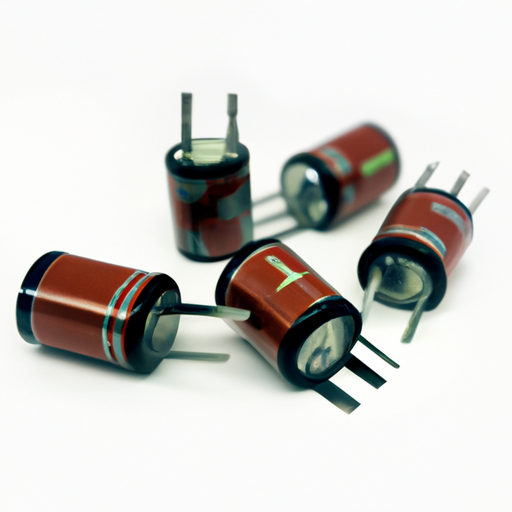
Film capacitors are passive electronic components that store electrical energy in an electric field. They are constructed using thin plastic films as the dielectric material, which separates the conductive plates. This design allows film capacitors to exhibit unique electrical properties, making them suitable for various applications in electrical engineering.
Capacitors play a crucial role in electrical engineering by managing energy storage, filtering signals, and stabilizing voltage levels. They are essential components in circuits, enabling the smooth operation of electronic devices. Among the various types of capacitors, film capacitors stand out due to their reliability, performance, and versatility.
Film capacitors are widely used in numerous practical applications, ranging from consumer electronics to industrial machinery. Their unique characteristics, such as low loss factor and high insulation resistance, make them ideal for applications requiring precision and stability. This blog post will explore the different types of film capacitors, their key characteristics, advantages, practical applications, challenges, and future trends.
Polyester film capacitors, also known as Mylar capacitors, are made from polyethylene terephthalate (PET) film. They are known for their good electrical properties, moderate capacitance values, and affordability.
These capacitors are commonly used in applications such as power supplies, audio equipment, and general-purpose circuits due to their reliability and cost-effectiveness.
Polypropylene film capacitors are made from polypropylene film and are known for their excellent electrical properties, including low dielectric losses and high insulation resistance.
They are often used in high-frequency applications, audio circuits, and power electronics, where performance and stability are critical.
Polycarbonate film capacitors offer high stability and reliability, making them suitable for applications requiring precision.
PTFE film capacitors are known for their high-temperature resistance and low dielectric losses, making them ideal for specialized applications in aerospace and military electronics.
Various other specialized films are used in film capacitors, each tailored for specific applications and performance requirements.
Film capacitors exhibit a low loss factor, which means they dissipate minimal energy as heat, making them efficient for high-frequency applications.
They possess high insulation resistance, ensuring minimal leakage current and enhancing the reliability of the circuits in which they are used.
Film capacitors maintain stable performance across a wide temperature range, making them suitable for applications in varying environmental conditions.
These capacitors are available in various voltage ratings, allowing them to be used in different applications, from low-voltage circuits to high-voltage power systems.
Film capacitors come in various sizes and form factors, enabling designers to select components that fit their specific design requirements.
Many film capacitors are designed to withstand harsh environmental conditions, including moisture, temperature fluctuations, and chemical exposure.
Film capacitors are known for their long lifespan and reliability, making them a preferred choice in critical applications where failure is not an option.
Their low self-inductance allows for better performance in high-frequency applications, reducing signal distortion and improving overall circuit efficiency.
Film capacitors can handle high currents without overheating, making them suitable for power electronics and industrial applications.
Unlike electrolytic capacitors, film capacitors are non-polarized, allowing for flexible circuit design and reducing the risk of damage due to incorrect polarity.
Film capacitors can be used in a wide range of applications, from audio equipment to renewable energy systems, showcasing their versatility and adaptability.
Film capacitors are widely used in inverters and converters, where they help manage energy storage and improve efficiency.
They play a crucial role in power factor correction systems, helping to improve the efficiency of electrical systems by reducing reactive power.
In audio equipment, film capacitors are used for signal coupling and decoupling, ensuring high-quality sound reproduction.
They are also employed in tone control circuits, allowing for precise adjustments to audio signals.
Film capacitors are essential in motor drives, where they help manage energy storage and improve performance.
They are used in control systems to stabilize voltage levels and filter out noise, ensuring reliable operation.
Film capacitors are commonly found in televisions and audio systems, where they enhance performance and reliability.
They are also used in various home appliances, contributing to energy efficiency and performance.
In solar inverters, film capacitors help manage energy storage and improve efficiency, playing a vital role in renewable energy systems.
They are also used in wind turbines, where they help stabilize voltage levels and improve overall performance.
One of the challenges of film capacitors is their size, particularly in high-capacitance applications where space is limited.
While film capacitors offer many advantages, they can be more expensive than other types of capacitors, which may limit their use in cost-sensitive applications.
Although many film capacitors are designed for environmental resistance, extreme conditions can still impact their performance and reliability.
The availability of specific dielectric materials can also pose challenges, particularly for specialized film capacitors.
Ongoing advancements in materials science are expected to lead to the development of new dielectric materials, enhancing the performance of film capacitors.
As electronic devices continue to shrink, there is a growing demand for miniaturized film capacitors that can be integrated into compact designs.
The rise of electric vehicles and renewable energy systems is driving demand for high-performance film capacitors, as they play a critical role in energy management.
There is a growing emphasis on sustainability, leading to the development of eco-friendly alternatives to traditional film capacitors, which may reduce environmental impact.
Film capacitors are essential components in modern electrical engineering, offering unique characteristics and advantages that make them suitable for a wide range of applications.
Their reliability, performance, and versatility make them indispensable in various sectors, including power electronics, audio equipment, industrial machinery, and renewable energy systems.
As technology continues to evolve, film capacitors will play a crucial role in shaping the future of electronic devices, with ongoing advancements in materials and design paving the way for new applications and innovations.
- Various academic journals on electrical engineering and materials science.
- Reports from industry leaders on capacitor technology and market trends.
- Specifications and datasheets from leading capacitor manufacturers.
- Books and articles on capacitor technology and applications in electrical engineering.
---
This blog post provides a comprehensive overview of the role of film capacitor products in practical applications, highlighting their importance, advantages, and future trends in technology.
Film capacitors are passive electronic components that store electrical energy in an electric field. They are constructed using thin plastic films as the dielectric material, which separates the conductive plates. This design allows film capacitors to exhibit unique electrical properties, making them suitable for various applications in electrical engineering.
Capacitors play a crucial role in electrical engineering by managing energy storage, filtering signals, and stabilizing voltage levels. They are essential components in circuits, enabling the smooth operation of electronic devices. Among the various types of capacitors, film capacitors stand out due to their reliability, performance, and versatility.
Film capacitors are widely used in numerous practical applications, ranging from consumer electronics to industrial machinery. Their unique characteristics, such as low loss factor and high insulation resistance, make them ideal for applications requiring precision and stability. This blog post will explore the different types of film capacitors, their key characteristics, advantages, practical applications, challenges, and future trends.
Polyester film capacitors, also known as Mylar capacitors, are made from polyethylene terephthalate (PET) film. They are known for their good electrical properties, moderate capacitance values, and affordability.
These capacitors are commonly used in applications such as power supplies, audio equipment, and general-purpose circuits due to their reliability and cost-effectiveness.
Polypropylene film capacitors are made from polypropylene film and are known for their excellent electrical properties, including low dielectric losses and high insulation resistance.
They are often used in high-frequency applications, audio circuits, and power electronics, where performance and stability are critical.
Polycarbonate film capacitors offer high stability and reliability, making them suitable for applications requiring precision.
PTFE film capacitors are known for their high-temperature resistance and low dielectric losses, making them ideal for specialized applications in aerospace and military electronics.
Various other specialized films are used in film capacitors, each tailored for specific applications and performance requirements.
Film capacitors exhibit a low loss factor, which means they dissipate minimal energy as heat, making them efficient for high-frequency applications.
They possess high insulation resistance, ensuring minimal leakage current and enhancing the reliability of the circuits in which they are used.
Film capacitors maintain stable performance across a wide temperature range, making them suitable for applications in varying environmental conditions.
These capacitors are available in various voltage ratings, allowing them to be used in different applications, from low-voltage circuits to high-voltage power systems.
Film capacitors come in various sizes and form factors, enabling designers to select components that fit their specific design requirements.
Many film capacitors are designed to withstand harsh environmental conditions, including moisture, temperature fluctuations, and chemical exposure.
Film capacitors are known for their long lifespan and reliability, making them a preferred choice in critical applications where failure is not an option.
Their low self-inductance allows for better performance in high-frequency applications, reducing signal distortion and improving overall circuit efficiency.
Film capacitors can handle high currents without overheating, making them suitable for power electronics and industrial applications.
Unlike electrolytic capacitors, film capacitors are non-polarized, allowing for flexible circuit design and reducing the risk of damage due to incorrect polarity.
Film capacitors can be used in a wide range of applications, from audio equipment to renewable energy systems, showcasing their versatility and adaptability.
Film capacitors are widely used in inverters and converters, where they help manage energy storage and improve efficiency.
They play a crucial role in power factor correction systems, helping to improve the efficiency of electrical systems by reducing reactive power.
In audio equipment, film capacitors are used for signal coupling and decoupling, ensuring high-quality sound reproduction.
They are also employed in tone control circuits, allowing for precise adjustments to audio signals.
Film capacitors are essential in motor drives, where they help manage energy storage and improve performance.
They are used in control systems to stabilize voltage levels and filter out noise, ensuring reliable operation.
Film capacitors are commonly found in televisions and audio systems, where they enhance performance and reliability.
They are also used in various home appliances, contributing to energy efficiency and performance.
In solar inverters, film capacitors help manage energy storage and improve efficiency, playing a vital role in renewable energy systems.
They are also used in wind turbines, where they help stabilize voltage levels and improve overall performance.
One of the challenges of film capacitors is their size, particularly in high-capacitance applications where space is limited.
While film capacitors offer many advantages, they can be more expensive than other types of capacitors, which may limit their use in cost-sensitive applications.
Although many film capacitors are designed for environmental resistance, extreme conditions can still impact their performance and reliability.
The availability of specific dielectric materials can also pose challenges, particularly for specialized film capacitors.
Ongoing advancements in materials science are expected to lead to the development of new dielectric materials, enhancing the performance of film capacitors.
As electronic devices continue to shrink, there is a growing demand for miniaturized film capacitors that can be integrated into compact designs.
The rise of electric vehicles and renewable energy systems is driving demand for high-performance film capacitors, as they play a critical role in energy management.
There is a growing emphasis on sustainability, leading to the development of eco-friendly alternatives to traditional film capacitors, which may reduce environmental impact.
Film capacitors are essential components in modern electrical engineering, offering unique characteristics and advantages that make them suitable for a wide range of applications.
Their reliability, performance, and versatility make them indispensable in various sectors, including power electronics, audio equipment, industrial machinery, and renewable energy systems.
As technology continues to evolve, film capacitors will play a crucial role in shaping the future of electronic devices, with ongoing advancements in materials and design paving the way for new applications and innovations.
- Various academic journals on electrical engineering and materials science.
- Reports from industry leaders on capacitor technology and market trends.
- Specifications and datasheets from leading capacitor manufacturers.
- Books and articles on capacitor technology and applications in electrical engineering.
---
This blog post provides a comprehensive overview of the role of film capacitor products in practical applications, highlighting their importance, advantages, and future trends in technology.