取消
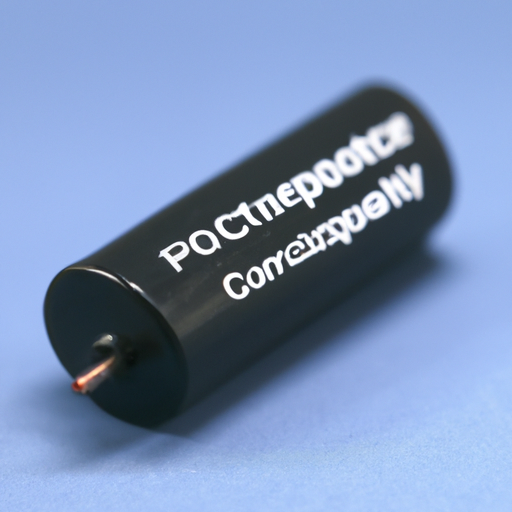
Capacitors are fundamental components in the world of electronics, playing a crucial role in the functionality of various devices and systems. Defined as passive electrical components that store and release electrical energy, capacitors are essential for managing voltage and current in circuits. Their importance cannot be overstated, as they are integral to everything from simple electronic devices to complex power systems. This article aims to explore the various roles that capacitors play in practical applications, shedding light on their types, specifications, and the myriad ways they contribute to modern technology.
At the heart of every capacitor is the principle of capacitance, which is defined as the ability of a component to store an electrical charge. When a voltage is applied across the terminals of a capacitor, an electric field is created, allowing it to store energy in the form of an electric charge. The amount of charge a capacitor can hold is directly proportional to its capacitance value, measured in farads (F).
Capacitors come in various types, each suited for specific applications:
1. **Electrolytic Capacitors**: Known for their high capacitance values, these capacitors are polarized and typically used in power supply applications.
2. **Ceramic Capacitors**: These are non-polarized and widely used for high-frequency applications due to their stability and low cost.
3. **Film Capacitors**: Made from plastic films, these capacitors are known for their reliability and are often used in audio applications.
4. **Tantalum Capacitors**: These are compact and offer high capacitance values, making them suitable for space-constrained applications.
5. **Supercapacitors**: Also known as ultracapacitors, these devices can store large amounts of energy and are used in applications requiring rapid charge and discharge cycles.
When selecting a capacitor for a specific application, several key specifications must be considered:
1. **Capacitance Value**: Indicates how much charge the capacitor can store.
2. **Voltage Rating**: The maximum voltage the capacitor can handle without breaking down.
3. **Equivalent Series Resistance (ESR)**: A measure of the internal resistance of the capacitor, affecting its efficiency.
4. **Temperature Coefficient**: Indicates how the capacitance value changes with temperature, which is crucial for applications in varying environmental conditions.
Capacitors are widely used for energy storage in various applications. One of their primary roles is in power supply smoothing, where they help to stabilize voltage levels by absorbing fluctuations. In renewable energy systems, capacitors store energy generated from sources like solar panels, ensuring a steady supply even when generation is intermittent.
In signal processing, capacitors are essential for coupling and decoupling applications. They allow AC signals to pass while blocking DC components, which is vital in audio and radio frequency circuits. Additionally, capacitors are used in filtering applications to remove unwanted frequencies, enhancing the quality of audio and communication signals.
Capacitors play a crucial role in timing applications, such as oscillators and timers. By charging and discharging at specific rates, capacitors help create precise time delays in circuits, which are essential for various electronic functions, including clock generation and pulse width modulation.
In electric motors, capacitors are used to improve performance. Capacitor start motors utilize a capacitor to create a phase shift in the current, providing the necessary torque to start the motor. Capacitor run motors, on the other hand, use capacitors to improve efficiency during operation, making them ideal for applications requiring continuous operation.
In power electronics, capacitors are employed for power factor correction, which improves the efficiency of power systems. By compensating for inductive loads, capacitors help to reduce energy losses and improve the overall performance of electrical systems.
Capacitors are also used in voltage regulation applications, where they help maintain stable voltage levels in power distribution systems. This is particularly important in preventing voltage sags and surges that can damage sensitive equipment.
In large-scale power systems, capacitors serve as energy storage devices, helping to balance supply and demand. They can quickly release stored energy during peak demand periods, ensuring a reliable power supply.
Capacitors are increasingly being used in electric vehicles (EVs) and renewable energy systems. In EVs, they provide rapid energy storage and discharge capabilities, enhancing performance and efficiency. In renewable energy systems, capacitors help manage energy flow and improve system stability.
In consumer electronics, capacitors are ubiquitous. In smartphones and tablets, they are used for power management, signal processing, and audio applications, ensuring optimal performance and user experience.
Capacitors are critical in televisions and audio equipment, where they help filter signals, stabilize power supplies, and enhance sound quality. Their ability to store and release energy quickly is essential for high-fidelity audio reproduction.
In home appliances, capacitors are used in various applications, from motor start circuits in refrigerators to timing circuits in microwaves. Their versatility and reliability make them indispensable in modern household devices.
The field of capacitor technology is continually evolving. Recent advancements include the development of new materials that enhance performance and efficiency. For instance, researchers are exploring the use of graphene and other nanomaterials to create capacitors with higher energy densities and faster charge/discharge rates.
As the demand for electric vehicles and renewable energy systems grows, capacitors will play an increasingly important role. Their ability to store and release energy quickly makes them ideal for applications requiring rapid energy management, such as regenerative braking in EVs.
The rise of the Internet of Things (IoT) and smart devices presents new opportunities for capacitors. As these devices become more prevalent, capacitors will be essential for energy management, signal processing, and ensuring reliable operation in a connected world.
In conclusion, capacitors are vital components in a wide range of applications, from energy storage and signal processing to motor control and consumer electronics. Their ability to store and release energy efficiently makes them indispensable in modern technology. As advancements in capacitor technology continue, their relevance will only grow, paving the way for innovative applications in electric vehicles, renewable energy systems, and smart devices. The future of capacitors is bright, and their role in practical applications will remain crucial as we move towards a more connected and energy-efficient world.
1. "Capacitors: Principles and Applications" - Academic Journal
2. "The Role of Capacitors in Power Electronics" - IEEE Papers
3. "Advancements in Capacitor Technology" - Electronics Magazine
4. "Capacitors in Consumer Electronics" - Tech Review
5. "Future Trends in Capacitor Applications" - Industry Report
This blog post provides a comprehensive overview of the role of capacitors in practical applications, highlighting their importance and versatility in modern technology.
Capacitors are fundamental components in the world of electronics, playing a crucial role in the functionality of various devices and systems. Defined as passive electrical components that store and release electrical energy, capacitors are essential for managing voltage and current in circuits. Their importance cannot be overstated, as they are integral to everything from simple electronic devices to complex power systems. This article aims to explore the various roles that capacitors play in practical applications, shedding light on their types, specifications, and the myriad ways they contribute to modern technology.
At the heart of every capacitor is the principle of capacitance, which is defined as the ability of a component to store an electrical charge. When a voltage is applied across the terminals of a capacitor, an electric field is created, allowing it to store energy in the form of an electric charge. The amount of charge a capacitor can hold is directly proportional to its capacitance value, measured in farads (F).
Capacitors come in various types, each suited for specific applications:
1. **Electrolytic Capacitors**: Known for their high capacitance values, these capacitors are polarized and typically used in power supply applications.
2. **Ceramic Capacitors**: These are non-polarized and widely used for high-frequency applications due to their stability and low cost.
3. **Film Capacitors**: Made from plastic films, these capacitors are known for their reliability and are often used in audio applications.
4. **Tantalum Capacitors**: These are compact and offer high capacitance values, making them suitable for space-constrained applications.
5. **Supercapacitors**: Also known as ultracapacitors, these devices can store large amounts of energy and are used in applications requiring rapid charge and discharge cycles.
When selecting a capacitor for a specific application, several key specifications must be considered:
1. **Capacitance Value**: Indicates how much charge the capacitor can store.
2. **Voltage Rating**: The maximum voltage the capacitor can handle without breaking down.
3. **Equivalent Series Resistance (ESR)**: A measure of the internal resistance of the capacitor, affecting its efficiency.
4. **Temperature Coefficient**: Indicates how the capacitance value changes with temperature, which is crucial for applications in varying environmental conditions.
Capacitors are widely used for energy storage in various applications. One of their primary roles is in power supply smoothing, where they help to stabilize voltage levels by absorbing fluctuations. In renewable energy systems, capacitors store energy generated from sources like solar panels, ensuring a steady supply even when generation is intermittent.
In signal processing, capacitors are essential for coupling and decoupling applications. They allow AC signals to pass while blocking DC components, which is vital in audio and radio frequency circuits. Additionally, capacitors are used in filtering applications to remove unwanted frequencies, enhancing the quality of audio and communication signals.
Capacitors play a crucial role in timing applications, such as oscillators and timers. By charging and discharging at specific rates, capacitors help create precise time delays in circuits, which are essential for various electronic functions, including clock generation and pulse width modulation.
In electric motors, capacitors are used to improve performance. Capacitor start motors utilize a capacitor to create a phase shift in the current, providing the necessary torque to start the motor. Capacitor run motors, on the other hand, use capacitors to improve efficiency during operation, making them ideal for applications requiring continuous operation.
In power electronics, capacitors are employed for power factor correction, which improves the efficiency of power systems. By compensating for inductive loads, capacitors help to reduce energy losses and improve the overall performance of electrical systems.
Capacitors are also used in voltage regulation applications, where they help maintain stable voltage levels in power distribution systems. This is particularly important in preventing voltage sags and surges that can damage sensitive equipment.
In large-scale power systems, capacitors serve as energy storage devices, helping to balance supply and demand. They can quickly release stored energy during peak demand periods, ensuring a reliable power supply.
Capacitors are increasingly being used in electric vehicles (EVs) and renewable energy systems. In EVs, they provide rapid energy storage and discharge capabilities, enhancing performance and efficiency. In renewable energy systems, capacitors help manage energy flow and improve system stability.
In consumer electronics, capacitors are ubiquitous. In smartphones and tablets, they are used for power management, signal processing, and audio applications, ensuring optimal performance and user experience.
Capacitors are critical in televisions and audio equipment, where they help filter signals, stabilize power supplies, and enhance sound quality. Their ability to store and release energy quickly is essential for high-fidelity audio reproduction.
In home appliances, capacitors are used in various applications, from motor start circuits in refrigerators to timing circuits in microwaves. Their versatility and reliability make them indispensable in modern household devices.
The field of capacitor technology is continually evolving. Recent advancements include the development of new materials that enhance performance and efficiency. For instance, researchers are exploring the use of graphene and other nanomaterials to create capacitors with higher energy densities and faster charge/discharge rates.
As the demand for electric vehicles and renewable energy systems grows, capacitors will play an increasingly important role. Their ability to store and release energy quickly makes them ideal for applications requiring rapid energy management, such as regenerative braking in EVs.
The rise of the Internet of Things (IoT) and smart devices presents new opportunities for capacitors. As these devices become more prevalent, capacitors will be essential for energy management, signal processing, and ensuring reliable operation in a connected world.
In conclusion, capacitors are vital components in a wide range of applications, from energy storage and signal processing to motor control and consumer electronics. Their ability to store and release energy efficiently makes them indispensable in modern technology. As advancements in capacitor technology continue, their relevance will only grow, paving the way for innovative applications in electric vehicles, renewable energy systems, and smart devices. The future of capacitors is bright, and their role in practical applications will remain crucial as we move towards a more connected and energy-efficient world.
1. "Capacitors: Principles and Applications" - Academic Journal
2. "The Role of Capacitors in Power Electronics" - IEEE Papers
3. "Advancements in Capacitor Technology" - Electronics Magazine
4. "Capacitors in Consumer Electronics" - Tech Review
5. "Future Trends in Capacitor Applications" - Industry Report
This blog post provides a comprehensive overview of the role of capacitors in practical applications, highlighting their importance and versatility in modern technology.