取消
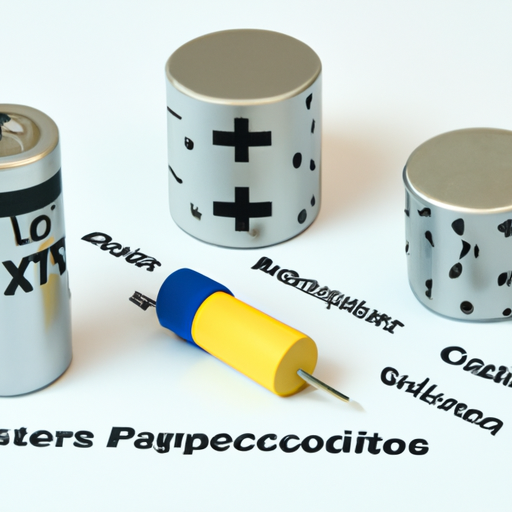
Capacitors are fundamental components in electronic circuits, serving various purposes that enhance the performance and functionality of devices. A capacitor is a passive electronic component that stores electrical energy in an electric field, created by a pair of conductive plates separated by an insulating material known as a dielectric. When capacitors are connected in series, their total capacitance decreases, and they share the voltage across them. Understanding the applications of capacitors in series is crucial for engineers and hobbyists alike, as it allows for better circuit design and optimization.
When capacitors are connected in series, the total capacitance (C_total) can be calculated using the formula:
\[
\frac{1}{C_{total}} = \frac{1}{C_1} + \frac{1}{C_2} + \frac{1}{C_3} + \ldots + \frac{1}{C_n}
\]
This formula indicates that the total capacitance is always less than the smallest individual capacitor in the series. In contrast, when capacitors are connected in parallel, the total capacitance is the sum of the individual capacitances, leading to a higher overall capacitance.
In a series configuration, the voltage across each capacitor is not the same; instead, it is divided among them based on their capacitance values. The voltage across each capacitor can be calculated using the formula:
\[
V_i = \frac{Q}{C_i}
\]
where \(V_i\) is the voltage across the ith capacitor, \(Q\) is the charge (which is the same for all capacitors in series), and \(C_i\) is the capacitance of the ith capacitor. This voltage division is crucial in applications where specific voltage levels are required.
Understanding how capacitors behave in series is essential for circuit design. Engineers must consider the total capacitance, voltage distribution, and the impact on circuit performance when designing systems that utilize capacitors in series.
One of the primary applications of capacitors in series is in power supply filtering. Capacitors are used to smooth out voltage fluctuations in power supply circuits, ensuring a stable output voltage. In this context, capacitors in series can help achieve higher voltage ratings while maintaining the desired capacitance for filtering. This is particularly important in power supplies for sensitive electronic devices, where voltage stability is critical.
Capacitors in series are also widely used in timing circuits, particularly in RC (resistor-capacitor) timing applications. The time constant of an RC circuit, which determines how quickly the circuit responds to changes in voltage, is influenced by the capacitance. By using capacitors in series, designers can create specific timing intervals for oscillators and timers, which are essential in applications ranging from clocks to pulse generators.
In audio and radio frequency (RF) circuits, capacitors in series play a vital role in signal coupling and decoupling. They allow AC signals to pass while blocking DC components, ensuring that only the desired signals are transmitted. This is crucial for maintaining signal integrity and preventing unwanted noise in audio systems and RF applications.
Capacitors in series can also be used to create voltage divider circuits, which are essential for generating reference voltages in sensor circuits. By selecting appropriate capacitor values, designers can achieve specific voltage levels that are necessary for accurate sensor readings. This application is particularly useful in analog-to-digital converters (ADCs) and other measurement systems.
Capacitors in series are increasingly being utilized in energy storage systems, particularly in electric vehicles (EVs) and renewable energy applications. By connecting multiple capacitors in series, designers can achieve higher voltage ratings and store more energy. This is essential for applications that require rapid energy discharge, such as regenerative braking in EVs or smoothing out power fluctuations in solar energy systems.
In AC motors, capacitors are used to improve performance during startup and operation. Start capacitors provide an initial boost of energy to help the motor reach its operating speed, while run capacitors enhance efficiency during continuous operation. Capacitors in series can be employed to achieve the necessary voltage and capacitance levels for these applications, particularly in HVAC systems and industrial machinery.
One of the primary advantages of using capacitors in series is the increased voltage rating. When capacitors are connected in series, the voltage rating of the overall configuration is the sum of the individual voltage ratings. This allows designers to create circuits that can handle higher voltages without the risk of capacitor failure.
Capacitors in series can also lead to space efficiency in circuit design. By using smaller capacitors in series to achieve the desired capacitance and voltage rating, designers can save space on printed circuit boards (PCBs) and create more compact designs.
Using capacitors in series provides flexibility in circuit design. Designers can mix and match different capacitor values to achieve specific performance characteristics, allowing for tailored solutions that meet the unique requirements of various applications.
While capacitors in series offer several advantages, there are limitations to consider. The total capacitance is always less than the smallest individual capacitor, which may not be suitable for applications requiring high capacitance values. Designers must carefully evaluate their capacitance needs when using capacitors in series.
Another challenge is balancing the values of capacitors in series. If capacitors with significantly different capacitance values are used, the voltage distribution may become uneven, leading to potential failure of the capacitors with lower voltage ratings. It is essential to select capacitors with similar values to ensure balanced performance.
The use of capacitors in series can also impact circuit performance. The lower total capacitance can affect the timing and filtering characteristics of the circuit, potentially leading to slower response times or inadequate filtering. Designers must consider these factors when incorporating capacitors in series into their designs.
In summary, capacitors in series play a crucial role in various applications, including power supply filtering, timing circuits, signal coupling, voltage dividers, energy storage systems, and motor start/run applications. Their ability to increase voltage ratings, provide space efficiency, and offer flexibility in circuit design makes them valuable components in modern electronics.
As technology continues to evolve, the importance of capacitors in series will only grow. Future trends may include advancements in capacitor materials and designs, leading to improved performance and new applications. Understanding the applications and principles of capacitors in series is essential for anyone involved in electronics, as it lays the foundation for effective circuit design and innovation.
For further exploration of capacitors and their applications, consider the following resources:
1. "The Art of Electronics" by Paul Horowitz and Winfield Hill
2. "Capacitors: Technology and Applications" by John W. McGowan
3. Online resources such as educational websites and electronics forums for practical insights and discussions.
By delving into these materials, readers can deepen their understanding of capacitors and their critical role in electronic systems.
Capacitors are fundamental components in electronic circuits, serving various purposes that enhance the performance and functionality of devices. A capacitor is a passive electronic component that stores electrical energy in an electric field, created by a pair of conductive plates separated by an insulating material known as a dielectric. When capacitors are connected in series, their total capacitance decreases, and they share the voltage across them. Understanding the applications of capacitors in series is crucial for engineers and hobbyists alike, as it allows for better circuit design and optimization.
When capacitors are connected in series, the total capacitance (C_total) can be calculated using the formula:
\[
\frac{1}{C_{total}} = \frac{1}{C_1} + \frac{1}{C_2} + \frac{1}{C_3} + \ldots + \frac{1}{C_n}
\]
This formula indicates that the total capacitance is always less than the smallest individual capacitor in the series. In contrast, when capacitors are connected in parallel, the total capacitance is the sum of the individual capacitances, leading to a higher overall capacitance.
In a series configuration, the voltage across each capacitor is not the same; instead, it is divided among them based on their capacitance values. The voltage across each capacitor can be calculated using the formula:
\[
V_i = \frac{Q}{C_i}
\]
where \(V_i\) is the voltage across the ith capacitor, \(Q\) is the charge (which is the same for all capacitors in series), and \(C_i\) is the capacitance of the ith capacitor. This voltage division is crucial in applications where specific voltage levels are required.
Understanding how capacitors behave in series is essential for circuit design. Engineers must consider the total capacitance, voltage distribution, and the impact on circuit performance when designing systems that utilize capacitors in series.
One of the primary applications of capacitors in series is in power supply filtering. Capacitors are used to smooth out voltage fluctuations in power supply circuits, ensuring a stable output voltage. In this context, capacitors in series can help achieve higher voltage ratings while maintaining the desired capacitance for filtering. This is particularly important in power supplies for sensitive electronic devices, where voltage stability is critical.
Capacitors in series are also widely used in timing circuits, particularly in RC (resistor-capacitor) timing applications. The time constant of an RC circuit, which determines how quickly the circuit responds to changes in voltage, is influenced by the capacitance. By using capacitors in series, designers can create specific timing intervals for oscillators and timers, which are essential in applications ranging from clocks to pulse generators.
In audio and radio frequency (RF) circuits, capacitors in series play a vital role in signal coupling and decoupling. They allow AC signals to pass while blocking DC components, ensuring that only the desired signals are transmitted. This is crucial for maintaining signal integrity and preventing unwanted noise in audio systems and RF applications.
Capacitors in series can also be used to create voltage divider circuits, which are essential for generating reference voltages in sensor circuits. By selecting appropriate capacitor values, designers can achieve specific voltage levels that are necessary for accurate sensor readings. This application is particularly useful in analog-to-digital converters (ADCs) and other measurement systems.
Capacitors in series are increasingly being utilized in energy storage systems, particularly in electric vehicles (EVs) and renewable energy applications. By connecting multiple capacitors in series, designers can achieve higher voltage ratings and store more energy. This is essential for applications that require rapid energy discharge, such as regenerative braking in EVs or smoothing out power fluctuations in solar energy systems.
In AC motors, capacitors are used to improve performance during startup and operation. Start capacitors provide an initial boost of energy to help the motor reach its operating speed, while run capacitors enhance efficiency during continuous operation. Capacitors in series can be employed to achieve the necessary voltage and capacitance levels for these applications, particularly in HVAC systems and industrial machinery.
One of the primary advantages of using capacitors in series is the increased voltage rating. When capacitors are connected in series, the voltage rating of the overall configuration is the sum of the individual voltage ratings. This allows designers to create circuits that can handle higher voltages without the risk of capacitor failure.
Capacitors in series can also lead to space efficiency in circuit design. By using smaller capacitors in series to achieve the desired capacitance and voltage rating, designers can save space on printed circuit boards (PCBs) and create more compact designs.
Using capacitors in series provides flexibility in circuit design. Designers can mix and match different capacitor values to achieve specific performance characteristics, allowing for tailored solutions that meet the unique requirements of various applications.
While capacitors in series offer several advantages, there are limitations to consider. The total capacitance is always less than the smallest individual capacitor, which may not be suitable for applications requiring high capacitance values. Designers must carefully evaluate their capacitance needs when using capacitors in series.
Another challenge is balancing the values of capacitors in series. If capacitors with significantly different capacitance values are used, the voltage distribution may become uneven, leading to potential failure of the capacitors with lower voltage ratings. It is essential to select capacitors with similar values to ensure balanced performance.
The use of capacitors in series can also impact circuit performance. The lower total capacitance can affect the timing and filtering characteristics of the circuit, potentially leading to slower response times or inadequate filtering. Designers must consider these factors when incorporating capacitors in series into their designs.
In summary, capacitors in series play a crucial role in various applications, including power supply filtering, timing circuits, signal coupling, voltage dividers, energy storage systems, and motor start/run applications. Their ability to increase voltage ratings, provide space efficiency, and offer flexibility in circuit design makes them valuable components in modern electronics.
As technology continues to evolve, the importance of capacitors in series will only grow. Future trends may include advancements in capacitor materials and designs, leading to improved performance and new applications. Understanding the applications and principles of capacitors in series is essential for anyone involved in electronics, as it lays the foundation for effective circuit design and innovation.
For further exploration of capacitors and their applications, consider the following resources:
1. "The Art of Electronics" by Paul Horowitz and Winfield Hill
2. "Capacitors: Technology and Applications" by John W. McGowan
3. Online resources such as educational websites and electronics forums for practical insights and discussions.
By delving into these materials, readers can deepen their understanding of capacitors and their critical role in electronic systems.