取消
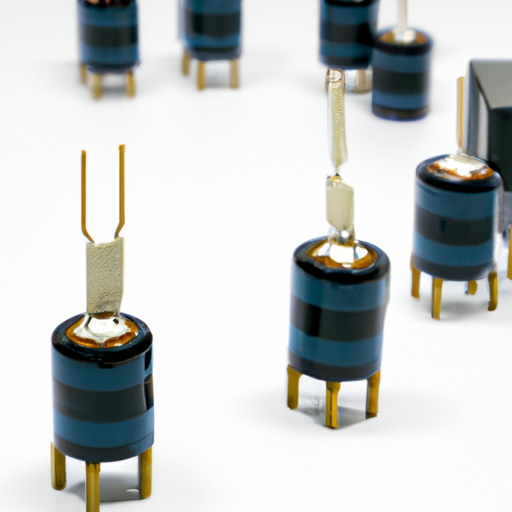
High-voltage shunt capacitors are essential components in electrical systems, designed to improve power quality and stability. These devices help manage reactive power, regulate voltage levels, and mitigate power quality issues, making them crucial for the efficient operation of electrical grids and industrial applications. As the demand for reliable and efficient power systems continues to grow, the high-voltage shunt capacitor industry has become increasingly significant, playing a vital role in ensuring the stability and reliability of electrical networks worldwide.
The development of high-voltage shunt capacitors can be traced back to the early 20th century when electrical engineers began to recognize the importance of reactive power management. Initially, these capacitors were primarily used in power factor correction applications. Over the decades, advancements in materials and manufacturing processes have led to the evolution of high-voltage shunt capacitors, enhancing their performance and reliability.
Significant milestones in the industry include the introduction of new materials, such as polymer and ceramic, which have improved the durability and efficiency of capacitors. Additionally, regulatory changes, particularly those aimed at improving energy efficiency and reducing environmental impact, have shaped the development and deployment of high-voltage shunt capacitors.
The global high-voltage shunt capacitor market has experienced substantial growth in recent years. According to industry reports, the market size is projected to reach several billion dollars by 2025, driven by increasing demand for reliable power systems and the integration of renewable energy sources. Key regions contributing to this growth include North America, Europe, and Asia-Pacific, where investments in infrastructure and renewable energy projects are on the rise.
Several leading manufacturers dominate the high-voltage shunt capacitor market, including Siemens, ABB, Schneider Electric, and General Electric. These companies hold significant market shares due to their established reputations, extensive product portfolios, and strong distribution networks. Additionally, emerging companies are entering the market, introducing innovative solutions that challenge traditional designs and manufacturing processes.
The competitive landscape of the high-voltage shunt capacitor industry is characterized by mergers and acquisitions, as established players seek to expand their market presence and enhance their technological capabilities. Strategic partnerships and collaborations are also common, allowing companies to leverage each other's strengths and accelerate innovation.
Recent innovations in high-voltage shunt capacitor design have focused on improving materials and performance features. The use of advanced materials, such as polymer and ceramic, has led to capacitors that are not only more efficient but also have longer lifespans. Enhanced performance features, including energy efficiency and reduced losses, are becoming increasingly important as the industry moves towards more sustainable solutions.
The integration of smart technology into high-voltage shunt capacitors is revolutionizing the industry. Smart capacitors can be connected to the Internet of Things (IoT) and smart grid systems, enabling real-time monitoring and control. This technology allows for better management of reactive power, improved voltage regulation, and enhanced overall system performance.
As environmental concerns continue to grow, the development of eco-friendly capacitors has become a priority for manufacturers. Compliance with environmental regulations is essential, and many companies are investing in research and development to create capacitors that minimize environmental impact while maintaining high performance.
High-voltage shunt capacitors play a critical role in power systems by providing voltage regulation and reactive power compensation. They help mitigate power quality issues, such as harmonics and flicker, ensuring that electrical systems operate efficiently and reliably.
In industrial settings, high-voltage shunt capacitors are widely used in manufacturing and processing plants. They help improve energy efficiency, reduce operational costs, and enhance the performance of machinery. Additionally, these capacitors are increasingly being integrated into renewable energy systems, such as solar and wind, to optimize energy production and grid integration.
Utilities utilize high-voltage shunt capacitors in transmission and distribution networks to enhance grid reliability and efficiency. By improving voltage stability and reducing losses, these capacitors contribute to a more resilient and efficient electrical grid, which is essential for meeting the growing demand for electricity.
The high-voltage shunt capacitor industry has faced significant challenges due to supply chain disruptions caused by global events, such as the COVID-19 pandemic and geopolitical tensions. These disruptions have led to material shortages, affecting production timelines and costs.
Navigating international standards and adapting to changing environmental regulations can be complex for manufacturers. Compliance with these regulations is essential for maintaining market access and ensuring product safety and performance.
The high-voltage shunt capacitor industry faces competition from alternative power quality solutions, such as static synchronous compensators (STATCOMs) and dynamic reactive power compensators. These technologies offer different advantages, and their growing adoption may impact the market share of traditional shunt capacitors.
The future of the high-voltage shunt capacitor market looks promising, with expected trends indicating continued growth in demand and supply. As the world transitions towards more sustainable energy sources and smart grid technologies, the need for efficient power quality solutions will only increase.
Research and development initiatives are underway to explore new materials, designs, and technologies that could disrupt the industry. Innovations such as advanced energy storage solutions and enhanced smart capacitor technologies are on the horizon, promising to further improve the performance and efficiency of high-voltage shunt capacitors.
For stakeholders in the high-voltage shunt capacitor industry, investment opportunities abound. Emphasizing sustainability and innovation will be crucial for staying competitive in a rapidly evolving market. Companies should focus on developing eco-friendly products, leveraging smart technologies, and exploring new applications to capitalize on emerging trends.
In summary, the high-voltage shunt capacitor industry is at a pivotal point, characterized by significant growth, technological advancements, and evolving market dynamics. As the demand for reliable and efficient power systems continues to rise, the relevance of high-voltage shunt capacitors in modern electrical systems remains undeniable. Industry stakeholders must adapt and innovate to meet the challenges and opportunities that lie ahead, ensuring that high-voltage shunt capacitors continue to play a vital role in the future of power quality and stability.
High-voltage shunt capacitors are essential components in electrical systems, designed to improve power quality and stability. These devices help manage reactive power, regulate voltage levels, and mitigate power quality issues, making them crucial for the efficient operation of electrical grids and industrial applications. As the demand for reliable and efficient power systems continues to grow, the high-voltage shunt capacitor industry has become increasingly significant, playing a vital role in ensuring the stability and reliability of electrical networks worldwide.
The development of high-voltage shunt capacitors can be traced back to the early 20th century when electrical engineers began to recognize the importance of reactive power management. Initially, these capacitors were primarily used in power factor correction applications. Over the decades, advancements in materials and manufacturing processes have led to the evolution of high-voltage shunt capacitors, enhancing their performance and reliability.
Significant milestones in the industry include the introduction of new materials, such as polymer and ceramic, which have improved the durability and efficiency of capacitors. Additionally, regulatory changes, particularly those aimed at improving energy efficiency and reducing environmental impact, have shaped the development and deployment of high-voltage shunt capacitors.
The global high-voltage shunt capacitor market has experienced substantial growth in recent years. According to industry reports, the market size is projected to reach several billion dollars by 2025, driven by increasing demand for reliable power systems and the integration of renewable energy sources. Key regions contributing to this growth include North America, Europe, and Asia-Pacific, where investments in infrastructure and renewable energy projects are on the rise.
Several leading manufacturers dominate the high-voltage shunt capacitor market, including Siemens, ABB, Schneider Electric, and General Electric. These companies hold significant market shares due to their established reputations, extensive product portfolios, and strong distribution networks. Additionally, emerging companies are entering the market, introducing innovative solutions that challenge traditional designs and manufacturing processes.
The competitive landscape of the high-voltage shunt capacitor industry is characterized by mergers and acquisitions, as established players seek to expand their market presence and enhance their technological capabilities. Strategic partnerships and collaborations are also common, allowing companies to leverage each other's strengths and accelerate innovation.
Recent innovations in high-voltage shunt capacitor design have focused on improving materials and performance features. The use of advanced materials, such as polymer and ceramic, has led to capacitors that are not only more efficient but also have longer lifespans. Enhanced performance features, including energy efficiency and reduced losses, are becoming increasingly important as the industry moves towards more sustainable solutions.
The integration of smart technology into high-voltage shunt capacitors is revolutionizing the industry. Smart capacitors can be connected to the Internet of Things (IoT) and smart grid systems, enabling real-time monitoring and control. This technology allows for better management of reactive power, improved voltage regulation, and enhanced overall system performance.
As environmental concerns continue to grow, the development of eco-friendly capacitors has become a priority for manufacturers. Compliance with environmental regulations is essential, and many companies are investing in research and development to create capacitors that minimize environmental impact while maintaining high performance.
High-voltage shunt capacitors play a critical role in power systems by providing voltage regulation and reactive power compensation. They help mitigate power quality issues, such as harmonics and flicker, ensuring that electrical systems operate efficiently and reliably.
In industrial settings, high-voltage shunt capacitors are widely used in manufacturing and processing plants. They help improve energy efficiency, reduce operational costs, and enhance the performance of machinery. Additionally, these capacitors are increasingly being integrated into renewable energy systems, such as solar and wind, to optimize energy production and grid integration.
Utilities utilize high-voltage shunt capacitors in transmission and distribution networks to enhance grid reliability and efficiency. By improving voltage stability and reducing losses, these capacitors contribute to a more resilient and efficient electrical grid, which is essential for meeting the growing demand for electricity.
The high-voltage shunt capacitor industry has faced significant challenges due to supply chain disruptions caused by global events, such as the COVID-19 pandemic and geopolitical tensions. These disruptions have led to material shortages, affecting production timelines and costs.
Navigating international standards and adapting to changing environmental regulations can be complex for manufacturers. Compliance with these regulations is essential for maintaining market access and ensuring product safety and performance.
The high-voltage shunt capacitor industry faces competition from alternative power quality solutions, such as static synchronous compensators (STATCOMs) and dynamic reactive power compensators. These technologies offer different advantages, and their growing adoption may impact the market share of traditional shunt capacitors.
The future of the high-voltage shunt capacitor market looks promising, with expected trends indicating continued growth in demand and supply. As the world transitions towards more sustainable energy sources and smart grid technologies, the need for efficient power quality solutions will only increase.
Research and development initiatives are underway to explore new materials, designs, and technologies that could disrupt the industry. Innovations such as advanced energy storage solutions and enhanced smart capacitor technologies are on the horizon, promising to further improve the performance and efficiency of high-voltage shunt capacitors.
For stakeholders in the high-voltage shunt capacitor industry, investment opportunities abound. Emphasizing sustainability and innovation will be crucial for staying competitive in a rapidly evolving market. Companies should focus on developing eco-friendly products, leveraging smart technologies, and exploring new applications to capitalize on emerging trends.
In summary, the high-voltage shunt capacitor industry is at a pivotal point, characterized by significant growth, technological advancements, and evolving market dynamics. As the demand for reliable and efficient power systems continues to rise, the relevance of high-voltage shunt capacitors in modern electrical systems remains undeniable. Industry stakeholders must adapt and innovate to meet the challenges and opportunities that lie ahead, ensuring that high-voltage shunt capacitors continue to play a vital role in the future of power quality and stability.