取消
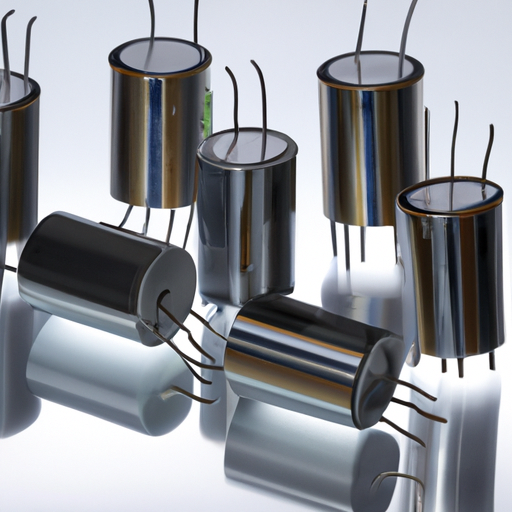
Metallized film capacitors are passive electronic components that store electrical energy in an electric field. They consist of a thin film of dielectric material, which is coated with a metallic layer, allowing them to function effectively in various electronic circuits. These capacitors are known for their reliability, stability, and versatility, making them a popular choice in many applications.
In the realm of electronics, capacitors play a crucial role in filtering, coupling, decoupling, and energy storage. Metallized film capacitors, in particular, are favored for their low losses, high insulation resistance, and excellent frequency response. They are widely used in power electronics, audio equipment, industrial applications, and consumer electronics, contributing to the overall performance and efficiency of electronic devices.
This document aims to provide a comprehensive overview of the parameters associated with mainstream metallized film capacitors. By understanding these parameters, engineers and designers can make informed decisions when selecting capacitors for their specific applications.
The dielectric material in metallized film capacitors is critical to their performance. Common dielectric materials include polyester (PET), polypropylene (PP), and polycarbonate (PC). Each material has unique properties that influence the capacitor's capacitance, voltage rating, and temperature stability.
The metallization process involves depositing a thin layer of metal onto the dielectric film. This layer serves as one of the capacitor's electrodes. The metallization can be achieved through various methods, including vacuum deposition and sputtering, ensuring a uniform and reliable conductive layer.
Polyester capacitors are known for their cost-effectiveness and decent performance in a wide range of applications. They are commonly used in consumer electronics and general-purpose applications.
Polypropylene capacitors offer superior performance, particularly in high-frequency applications. They have lower dielectric losses and are often used in audio equipment and power electronics.
Polycarbonate capacitors are valued for their stability and reliability. They are suitable for applications requiring high precision and low drift over time.
Other variants of metallized film capacitors include those made from specialized materials designed for specific applications, such as high-temperature environments or high-voltage applications.
Capacitance values for metallized film capacitors typically range from a few picofarads (pF) to several microfarads (µF). Tolerance levels can vary, with common values being ±5%, ±10%, and ±20%. The choice of capacitance and tolerance affects the performance of the circuit in which the capacitor is used.
The capacitance value directly influences the timing, filtering, and energy storage capabilities of a circuit. Selecting the appropriate capacitance is essential for achieving the desired performance.
The voltage rating indicates the maximum voltage the capacitor can withstand without failure. Exceeding this rating can lead to dielectric breakdown and catastrophic failure.
It is advisable to derate capacitors by 20-50% of their rated voltage in practical applications to enhance reliability and longevity, especially in environments with voltage spikes or fluctuations.
The temperature coefficient describes how the capacitance value changes with temperature. Different dielectric materials exhibit varying temperature coefficients, which can affect circuit performance in temperature-sensitive applications.
Common temperature coefficients include C0G (NP0), X7R, and Y5V, each with distinct characteristics regarding stability and capacitance variation with temperature.
The dissipation factor is a measure of the energy lost as heat in the capacitor during operation. It is expressed as a percentage and is determined by the ratio of the equivalent series resistance (ESR) to the capacitive reactance.
A low dissipation factor is crucial in high-frequency applications, as it indicates minimal energy loss and better efficiency. Capacitors with high DF values can lead to overheating and reduced performance.
Equivalent series resistance is the sum of all resistive losses in a capacitor, including the resistance of the leads and the dielectric. High ESR can lead to power loss and reduced efficiency in circuits.
Metallized film capacitors generally exhibit lower ESR compared to electrolytic capacitors, making them more suitable for high-frequency and high-efficiency applications.
The impedance of metallized film capacitors varies with frequency. At low frequencies, the impedance is primarily capacitive, while at high frequencies, it can exhibit inductive behavior due to lead inductance.
The self-resonant frequency is the frequency at which the capacitor's reactance becomes zero. Beyond this frequency, the capacitor behaves more like an inductor, which can affect circuit performance.
Metallized film capacitors are known for their long-term reliability. However, factors such as temperature, humidity, and voltage stress can lead to aging effects, impacting capacitance and performance over time.
Environmental conditions, including temperature fluctuations and exposure to moisture, can affect the dielectric material and metallization, leading to changes in capacitance and reliability.
Dielectric absorption refers to the phenomenon where a capacitor retains a small amount of charge after being discharged. This can lead to inaccuracies in circuit performance, particularly in timing applications.
Designers must consider dielectric absorption when selecting capacitors for precision applications, as it can affect the timing and accuracy of the circuit.
Metallized film capacitors are widely used in inverters and converters due to their high voltage ratings and low losses, contributing to efficient energy conversion.
These capacitors are also employed in power factor correction applications, helping to improve the efficiency of electrical systems.
In audio applications, metallized film capacitors are used for signal coupling and decoupling, ensuring high fidelity and minimal distortion.
They are also utilized in tone control circuits, allowing for precise adjustments to audio signals.
Metallized film capacitors are essential in motor drive applications, providing stable performance and reliability in demanding environments.
In control systems, these capacitors help maintain signal integrity and stability, ensuring accurate operation.
In consumer electronics, metallized film capacitors are commonly found in televisions and audio systems, contributing to overall performance and reliability.
They are also used in various home appliances, enhancing energy efficiency and performance.
Electrolytic capacitors offer high capacitance values in a compact size but have limitations in terms of voltage ratings and lifespan compared to metallized film capacitors.
Ceramic capacitors are known for their small size and low ESR but may have lower capacitance values and stability compared to metallized film capacitors.
Tantalum capacitors provide high capacitance in a small package but are more expensive and can be less reliable than metallized film capacitors in certain applications.
When selecting a metallized film capacitor, it is essential to consider the specific voltage and capacitance requirements of the application.
Environmental factors, such as temperature and humidity, should also be taken into account to ensure reliable performance.
Choosing capacitors from reputable manufacturers ensures quality and reliability, which are critical for long-term performance.
It is important to verify that the capacitors comply with industry standards and regulations.
Cost is always a consideration in component selection. Metallized film capacitors can vary in price, so it is essential to balance cost with performance.
Investing in high-quality capacitors can lead to better long-term value, reducing the need for replacements and maintenance.
Metallized film capacitors are essential components in modern electronics, offering a range of benefits, including reliability, stability, and versatility. Understanding their parameters, performance characteristics, and applications is crucial for effective selection and use.
As technology advances, we can expect improvements in metallized film capacitor design, including enhanced materials and manufacturing processes that will further increase their performance and reliability.
When selecting metallized film capacitors, it is vital to consider the specific requirements of the application, including voltage, capacitance, and environmental factors. By making informed choices, engineers can ensure optimal performance and longevity in their electronic designs.
- IEEE Transactions on Industrial Electronics
- Journal of Applied Physics
- IEC 60384: Fixed capacitors for use in electronic equipment
- ANSI/IEEE Std 18: Standard for the Electrical Design of Capacitors
- Manufacturer A: Metallized Film Capacitor Datasheet
- Manufacturer B: Capacitor Selection Guide
This blog post provides a detailed overview of mainstream metallized film capacitors, covering their construction, key parameters, performance characteristics, applications, and selection criteria. Understanding these aspects is essential for engineers and designers working in the field of electronics.
Metallized film capacitors are passive electronic components that store electrical energy in an electric field. They consist of a thin film of dielectric material, which is coated with a metallic layer, allowing them to function effectively in various electronic circuits. These capacitors are known for their reliability, stability, and versatility, making them a popular choice in many applications.
In the realm of electronics, capacitors play a crucial role in filtering, coupling, decoupling, and energy storage. Metallized film capacitors, in particular, are favored for their low losses, high insulation resistance, and excellent frequency response. They are widely used in power electronics, audio equipment, industrial applications, and consumer electronics, contributing to the overall performance and efficiency of electronic devices.
This document aims to provide a comprehensive overview of the parameters associated with mainstream metallized film capacitors. By understanding these parameters, engineers and designers can make informed decisions when selecting capacitors for their specific applications.
The dielectric material in metallized film capacitors is critical to their performance. Common dielectric materials include polyester (PET), polypropylene (PP), and polycarbonate (PC). Each material has unique properties that influence the capacitor's capacitance, voltage rating, and temperature stability.
The metallization process involves depositing a thin layer of metal onto the dielectric film. This layer serves as one of the capacitor's electrodes. The metallization can be achieved through various methods, including vacuum deposition and sputtering, ensuring a uniform and reliable conductive layer.
Polyester capacitors are known for their cost-effectiveness and decent performance in a wide range of applications. They are commonly used in consumer electronics and general-purpose applications.
Polypropylene capacitors offer superior performance, particularly in high-frequency applications. They have lower dielectric losses and are often used in audio equipment and power electronics.
Polycarbonate capacitors are valued for their stability and reliability. They are suitable for applications requiring high precision and low drift over time.
Other variants of metallized film capacitors include those made from specialized materials designed for specific applications, such as high-temperature environments or high-voltage applications.
Capacitance values for metallized film capacitors typically range from a few picofarads (pF) to several microfarads (µF). Tolerance levels can vary, with common values being ±5%, ±10%, and ±20%. The choice of capacitance and tolerance affects the performance of the circuit in which the capacitor is used.
The capacitance value directly influences the timing, filtering, and energy storage capabilities of a circuit. Selecting the appropriate capacitance is essential for achieving the desired performance.
The voltage rating indicates the maximum voltage the capacitor can withstand without failure. Exceeding this rating can lead to dielectric breakdown and catastrophic failure.
It is advisable to derate capacitors by 20-50% of their rated voltage in practical applications to enhance reliability and longevity, especially in environments with voltage spikes or fluctuations.
The temperature coefficient describes how the capacitance value changes with temperature. Different dielectric materials exhibit varying temperature coefficients, which can affect circuit performance in temperature-sensitive applications.
Common temperature coefficients include C0G (NP0), X7R, and Y5V, each with distinct characteristics regarding stability and capacitance variation with temperature.
The dissipation factor is a measure of the energy lost as heat in the capacitor during operation. It is expressed as a percentage and is determined by the ratio of the equivalent series resistance (ESR) to the capacitive reactance.
A low dissipation factor is crucial in high-frequency applications, as it indicates minimal energy loss and better efficiency. Capacitors with high DF values can lead to overheating and reduced performance.
Equivalent series resistance is the sum of all resistive losses in a capacitor, including the resistance of the leads and the dielectric. High ESR can lead to power loss and reduced efficiency in circuits.
Metallized film capacitors generally exhibit lower ESR compared to electrolytic capacitors, making them more suitable for high-frequency and high-efficiency applications.
The impedance of metallized film capacitors varies with frequency. At low frequencies, the impedance is primarily capacitive, while at high frequencies, it can exhibit inductive behavior due to lead inductance.
The self-resonant frequency is the frequency at which the capacitor's reactance becomes zero. Beyond this frequency, the capacitor behaves more like an inductor, which can affect circuit performance.
Metallized film capacitors are known for their long-term reliability. However, factors such as temperature, humidity, and voltage stress can lead to aging effects, impacting capacitance and performance over time.
Environmental conditions, including temperature fluctuations and exposure to moisture, can affect the dielectric material and metallization, leading to changes in capacitance and reliability.
Dielectric absorption refers to the phenomenon where a capacitor retains a small amount of charge after being discharged. This can lead to inaccuracies in circuit performance, particularly in timing applications.
Designers must consider dielectric absorption when selecting capacitors for precision applications, as it can affect the timing and accuracy of the circuit.
Metallized film capacitors are widely used in inverters and converters due to their high voltage ratings and low losses, contributing to efficient energy conversion.
These capacitors are also employed in power factor correction applications, helping to improve the efficiency of electrical systems.
In audio applications, metallized film capacitors are used for signal coupling and decoupling, ensuring high fidelity and minimal distortion.
They are also utilized in tone control circuits, allowing for precise adjustments to audio signals.
Metallized film capacitors are essential in motor drive applications, providing stable performance and reliability in demanding environments.
In control systems, these capacitors help maintain signal integrity and stability, ensuring accurate operation.
In consumer electronics, metallized film capacitors are commonly found in televisions and audio systems, contributing to overall performance and reliability.
They are also used in various home appliances, enhancing energy efficiency and performance.
Electrolytic capacitors offer high capacitance values in a compact size but have limitations in terms of voltage ratings and lifespan compared to metallized film capacitors.
Ceramic capacitors are known for their small size and low ESR but may have lower capacitance values and stability compared to metallized film capacitors.
Tantalum capacitors provide high capacitance in a small package but are more expensive and can be less reliable than metallized film capacitors in certain applications.
When selecting a metallized film capacitor, it is essential to consider the specific voltage and capacitance requirements of the application.
Environmental factors, such as temperature and humidity, should also be taken into account to ensure reliable performance.
Choosing capacitors from reputable manufacturers ensures quality and reliability, which are critical for long-term performance.
It is important to verify that the capacitors comply with industry standards and regulations.
Cost is always a consideration in component selection. Metallized film capacitors can vary in price, so it is essential to balance cost with performance.
Investing in high-quality capacitors can lead to better long-term value, reducing the need for replacements and maintenance.
Metallized film capacitors are essential components in modern electronics, offering a range of benefits, including reliability, stability, and versatility. Understanding their parameters, performance characteristics, and applications is crucial for effective selection and use.
As technology advances, we can expect improvements in metallized film capacitor design, including enhanced materials and manufacturing processes that will further increase their performance and reliability.
When selecting metallized film capacitors, it is vital to consider the specific requirements of the application, including voltage, capacitance, and environmental factors. By making informed choices, engineers can ensure optimal performance and longevity in their electronic designs.
- IEEE Transactions on Industrial Electronics
- Journal of Applied Physics
- IEC 60384: Fixed capacitors for use in electronic equipment
- ANSI/IEEE Std 18: Standard for the Electrical Design of Capacitors
- Manufacturer A: Metallized Film Capacitor Datasheet
- Manufacturer B: Capacitor Selection Guide
This blog post provides a detailed overview of mainstream metallized film capacitors, covering their construction, key parameters, performance characteristics, applications, and selection criteria. Understanding these aspects is essential for engineers and designers working in the field of electronics.