取消
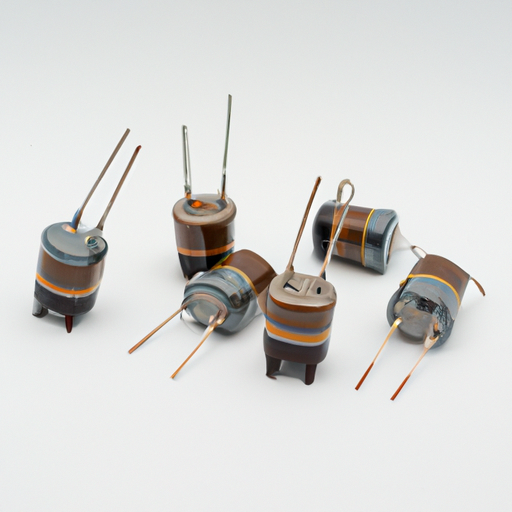
Capacitors are passive electronic components that store and release electrical energy in a circuit. They consist of two conductive plates separated by an insulating material known as a dielectric. When voltage is applied across the plates, an electric field is created, allowing the capacitor to store energy. The ability to store charge makes capacitors essential in various electronic applications.
Capacitors play a crucial role in electronic circuits by performing functions such as filtering, coupling, decoupling, timing, and energy storage. They help stabilize voltage and power flow, smooth out fluctuations in power supply, and ensure the proper functioning of electronic devices. Their versatility and reliability make them indispensable in modern electronics, from consumer gadgets to industrial machinery.
This article will explore the different types of capacitors, popular product models, factors to consider when choosing capacitors, their applications, and future trends in capacitor technology. By the end, readers will have a comprehensive understanding of capacitors and their significance in electronic design.
Capacitors come in various types, each with unique characteristics and applications. Here, we will discuss the most common types of capacitors.
Electrolytic capacitors are polarized components that typically have a high capacitance value and a relatively low voltage rating. They are constructed using an electrolyte as one of the plates, which allows for a larger surface area and, consequently, higher capacitance.
These capacitors are widely used in power supply circuits, audio equipment, and energy storage applications due to their ability to handle large amounts of charge.
Ceramic capacitors are non-polarized and made from ceramic materials. They are known for their stability, low cost, and small size. Their capacitance values can vary widely, but they generally have lower capacitance compared to electrolytic capacitors.
Ceramic capacitors are commonly used in high-frequency applications, decoupling, and filtering circuits due to their low equivalent series resistance (ESR) and high-frequency performance.
Film capacitors use a thin plastic film as the dielectric material. They are known for their stability, low ESR, and long lifespan. Film capacitors are available in various types, including polyester, polypropylene, and polystyrene.
These capacitors are often used in audio equipment, power electronics, and timing circuits due to their excellent performance and reliability.
Tantalum capacitors are also polarized and are known for their high capacitance values in a small package. They use tantalum metal as the anode and are characterized by their stability and reliability.
Tantalum capacitors are commonly found in portable electronics, medical devices, and aerospace applications due to their compact size and high performance.
Supercapacitors, also known as ultracapacitors, have extremely high capacitance values and can store large amounts of energy. They bridge the gap between traditional capacitors and batteries, offering rapid charge and discharge capabilities.
Supercapacitors are used in applications requiring quick bursts of energy, such as regenerative braking systems in electric vehicles, energy storage systems, and backup power supplies.
Now that we have an understanding of the different types of capacitors, let’s explore some popular product models in each category.
1. **Nichicon UHE Series**: Known for their reliability and long lifespan, these capacitors are widely used in power supply applications.
2. **Panasonic FR Series**: These capacitors offer low ESR and high ripple current capabilities, making them suitable for audio and power supply circuits.
3. **Rubycon ZLJ Series**: Renowned for their high performance and stability, these capacitors are often used in consumer electronics.
1. **Murata GRM Series**: These capacitors are known for their small size and high capacitance values, making them ideal for compact electronic devices.
2. **Kemet C4AE Series**: Offering excellent temperature stability, these capacitors are suitable for automotive and industrial applications.
3. **TDK C3216 Series**: These capacitors are designed for high-frequency applications and are widely used in telecommunications.
1. **WIMA MKS Series**: These capacitors are known for their high reliability and are commonly used in audio and power electronics.
2. **Vishay BC Components 1832 Series**: These film capacitors offer excellent performance in high-frequency applications.
3. **EPCOS B3292 Series**: Known for their stability and low losses, these capacitors are often used in power supply circuits.
1. **Kemet T491 Series**: These capacitors are known for their high capacitance and reliability, making them suitable for a wide range of applications.
2. **AVX TPS Series**: These tantalum capacitors offer low ESR and high ripple current capabilities, ideal for power management applications.
3. **Vishay 293D Series**: Known for their compact size and high performance, these capacitors are widely used in portable electronics.
1. **Maxwell Technologies BMOD Series**: These supercapacitors are known for their high energy density and are used in various energy storage applications.
2. **Panasonic EEC Series**: Offering high capacitance and long life, these supercapacitors are suitable for backup power applications.
3. **Nesscap ESHSR Series**: These supercapacitors are designed for high power applications and are commonly used in renewable energy systems.
When selecting a capacitor for a specific application, several factors should be considered:
The capacitance value determines how much charge a capacitor can store. It is essential to choose a capacitor with the appropriate capacitance for the intended application.
The voltage rating indicates the maximum voltage a capacitor can handle without breaking down. It is crucial to select a capacitor with a voltage rating higher than the maximum voltage in the circuit.
The temperature coefficient affects how the capacitance value changes with temperature. It is important to consider the operating temperature range of the application.
ESR is a measure of the resistance a capacitor presents to alternating current. Lower ESR values are preferred for high-frequency applications to minimize power loss.
The physical size and form factor of the capacitor can impact the design of the circuit. It is essential to choose a capacitor that fits within the available space in the application.
Capacitors are used in a wide range of applications, including:
Capacitors are used to smooth out voltage fluctuations in power supply circuits, ensuring stable operation of electronic devices.
Capacitors are used to couple and decouple signals in audio and communication circuits, allowing for clear signal transmission.
Capacitors are essential in timing circuits, where they work with resistors to create time delays in electronic devices.
Capacitors are used in energy storage applications, such as in supercapacitors, to provide quick bursts of energy when needed.
Capacitors are widely used in audio equipment to filter signals and improve sound quality.
As technology continues to evolve, so do capacitors. Here are some future trends in capacitor technology:
Research is ongoing to develop new dielectric materials that can enhance the performance and efficiency of capacitors.
As electronic devices become smaller, there is a growing demand for miniaturized capacitors that offer higher efficiency and performance.
Capacitors are increasingly being used in renewable energy systems, such as solar and wind power, to store and manage energy.
Capacitors are playing a crucial role in electric vehicles, providing energy storage and improving the efficiency of power management systems.
Capacitors are vital components in electronic circuits, with various types and models available for different applications. Understanding the characteristics and applications of each type is essential for selecting the right capacitor.
Choosing the appropriate capacitor can significantly impact the performance and reliability of electronic devices. Factors such as capacitance value, voltage rating, and ESR should be carefully considered.
As technology advances, capacitors will continue to evolve, offering new solutions for energy storage and management in an increasingly electronic world. Staying informed about the latest trends and developments in capacitor technology will be essential for engineers and designers in the field.
- IEEE Transactions on Electron Devices
- Journal of Applied Physics
- Market Research Reports on Capacitor Technology
- Industry Analysis from Electronics Manufacturers
- Datasheets from capacitor manufacturers such as Nichicon, Panasonic, and Kemet.
- Electronics tutorials and capacitor databases available on educational websites and forums.
This comprehensive overview of capacitors and their popular product models provides valuable insights for anyone involved in electronics design and engineering. Understanding the various types, their applications, and the factors influencing their selection is crucial for optimizing electronic circuit performance.
Capacitors are passive electronic components that store and release electrical energy in a circuit. They consist of two conductive plates separated by an insulating material known as a dielectric. When voltage is applied across the plates, an electric field is created, allowing the capacitor to store energy. The ability to store charge makes capacitors essential in various electronic applications.
Capacitors play a crucial role in electronic circuits by performing functions such as filtering, coupling, decoupling, timing, and energy storage. They help stabilize voltage and power flow, smooth out fluctuations in power supply, and ensure the proper functioning of electronic devices. Their versatility and reliability make them indispensable in modern electronics, from consumer gadgets to industrial machinery.
This article will explore the different types of capacitors, popular product models, factors to consider when choosing capacitors, their applications, and future trends in capacitor technology. By the end, readers will have a comprehensive understanding of capacitors and their significance in electronic design.
Capacitors come in various types, each with unique characteristics and applications. Here, we will discuss the most common types of capacitors.
Electrolytic capacitors are polarized components that typically have a high capacitance value and a relatively low voltage rating. They are constructed using an electrolyte as one of the plates, which allows for a larger surface area and, consequently, higher capacitance.
These capacitors are widely used in power supply circuits, audio equipment, and energy storage applications due to their ability to handle large amounts of charge.
Ceramic capacitors are non-polarized and made from ceramic materials. They are known for their stability, low cost, and small size. Their capacitance values can vary widely, but they generally have lower capacitance compared to electrolytic capacitors.
Ceramic capacitors are commonly used in high-frequency applications, decoupling, and filtering circuits due to their low equivalent series resistance (ESR) and high-frequency performance.
Film capacitors use a thin plastic film as the dielectric material. They are known for their stability, low ESR, and long lifespan. Film capacitors are available in various types, including polyester, polypropylene, and polystyrene.
These capacitors are often used in audio equipment, power electronics, and timing circuits due to their excellent performance and reliability.
Tantalum capacitors are also polarized and are known for their high capacitance values in a small package. They use tantalum metal as the anode and are characterized by their stability and reliability.
Tantalum capacitors are commonly found in portable electronics, medical devices, and aerospace applications due to their compact size and high performance.
Supercapacitors, also known as ultracapacitors, have extremely high capacitance values and can store large amounts of energy. They bridge the gap between traditional capacitors and batteries, offering rapid charge and discharge capabilities.
Supercapacitors are used in applications requiring quick bursts of energy, such as regenerative braking systems in electric vehicles, energy storage systems, and backup power supplies.
Now that we have an understanding of the different types of capacitors, let’s explore some popular product models in each category.
1. **Nichicon UHE Series**: Known for their reliability and long lifespan, these capacitors are widely used in power supply applications.
2. **Panasonic FR Series**: These capacitors offer low ESR and high ripple current capabilities, making them suitable for audio and power supply circuits.
3. **Rubycon ZLJ Series**: Renowned for their high performance and stability, these capacitors are often used in consumer electronics.
1. **Murata GRM Series**: These capacitors are known for their small size and high capacitance values, making them ideal for compact electronic devices.
2. **Kemet C4AE Series**: Offering excellent temperature stability, these capacitors are suitable for automotive and industrial applications.
3. **TDK C3216 Series**: These capacitors are designed for high-frequency applications and are widely used in telecommunications.
1. **WIMA MKS Series**: These capacitors are known for their high reliability and are commonly used in audio and power electronics.
2. **Vishay BC Components 1832 Series**: These film capacitors offer excellent performance in high-frequency applications.
3. **EPCOS B3292 Series**: Known for their stability and low losses, these capacitors are often used in power supply circuits.
1. **Kemet T491 Series**: These capacitors are known for their high capacitance and reliability, making them suitable for a wide range of applications.
2. **AVX TPS Series**: These tantalum capacitors offer low ESR and high ripple current capabilities, ideal for power management applications.
3. **Vishay 293D Series**: Known for their compact size and high performance, these capacitors are widely used in portable electronics.
1. **Maxwell Technologies BMOD Series**: These supercapacitors are known for their high energy density and are used in various energy storage applications.
2. **Panasonic EEC Series**: Offering high capacitance and long life, these supercapacitors are suitable for backup power applications.
3. **Nesscap ESHSR Series**: These supercapacitors are designed for high power applications and are commonly used in renewable energy systems.
When selecting a capacitor for a specific application, several factors should be considered:
The capacitance value determines how much charge a capacitor can store. It is essential to choose a capacitor with the appropriate capacitance for the intended application.
The voltage rating indicates the maximum voltage a capacitor can handle without breaking down. It is crucial to select a capacitor with a voltage rating higher than the maximum voltage in the circuit.
The temperature coefficient affects how the capacitance value changes with temperature. It is important to consider the operating temperature range of the application.
ESR is a measure of the resistance a capacitor presents to alternating current. Lower ESR values are preferred for high-frequency applications to minimize power loss.
The physical size and form factor of the capacitor can impact the design of the circuit. It is essential to choose a capacitor that fits within the available space in the application.
Capacitors are used in a wide range of applications, including:
Capacitors are used to smooth out voltage fluctuations in power supply circuits, ensuring stable operation of electronic devices.
Capacitors are used to couple and decouple signals in audio and communication circuits, allowing for clear signal transmission.
Capacitors are essential in timing circuits, where they work with resistors to create time delays in electronic devices.
Capacitors are used in energy storage applications, such as in supercapacitors, to provide quick bursts of energy when needed.
Capacitors are widely used in audio equipment to filter signals and improve sound quality.
As technology continues to evolve, so do capacitors. Here are some future trends in capacitor technology:
Research is ongoing to develop new dielectric materials that can enhance the performance and efficiency of capacitors.
As electronic devices become smaller, there is a growing demand for miniaturized capacitors that offer higher efficiency and performance.
Capacitors are increasingly being used in renewable energy systems, such as solar and wind power, to store and manage energy.
Capacitors are playing a crucial role in electric vehicles, providing energy storage and improving the efficiency of power management systems.
Capacitors are vital components in electronic circuits, with various types and models available for different applications. Understanding the characteristics and applications of each type is essential for selecting the right capacitor.
Choosing the appropriate capacitor can significantly impact the performance and reliability of electronic devices. Factors such as capacitance value, voltage rating, and ESR should be carefully considered.
As technology advances, capacitors will continue to evolve, offering new solutions for energy storage and management in an increasingly electronic world. Staying informed about the latest trends and developments in capacitor technology will be essential for engineers and designers in the field.
- IEEE Transactions on Electron Devices
- Journal of Applied Physics
- Market Research Reports on Capacitor Technology
- Industry Analysis from Electronics Manufacturers
- Datasheets from capacitor manufacturers such as Nichicon, Panasonic, and Kemet.
- Electronics tutorials and capacitor databases available on educational websites and forums.
This comprehensive overview of capacitors and their popular product models provides valuable insights for anyone involved in electronics design and engineering. Understanding the various types, their applications, and the factors influencing their selection is crucial for optimizing electronic circuit performance.