取消
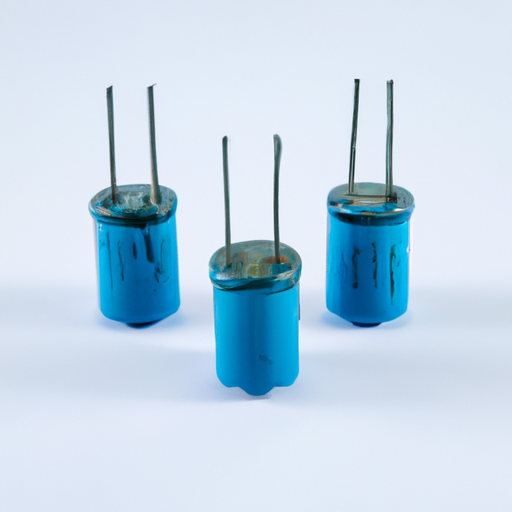
Compensation capacitors are essential components in electrical systems, designed to improve the efficiency and stability of power delivery. They work by storing and releasing electrical energy, thereby compensating for reactive power in AC circuits. This functionality is crucial in various applications, from industrial machinery to residential power systems.
In electrical systems, reactive power can lead to inefficiencies, voltage drops, and increased energy costs. Compensation capacitors help mitigate these issues by improving the power factor, stabilizing voltage levels, and filtering out harmonics. As such, they play a vital role in enhancing the overall performance and reliability of electrical systems.
This article aims to provide an in-depth look at the latest specifications of compensation capacitors, exploring their functionality, key specifications, recent technological advancements, and selection criteria. By understanding these aspects, engineers and technicians can make informed decisions when selecting compensation capacitors for their applications.
Compensation capacitors function by storing electrical energy in an electric field, which can be released back into the circuit when needed. This ability to store and release energy helps to balance the reactive power in AC systems, thereby improving the power factor and reducing energy losses.
There are several types of compensation capacitors, including:
Fixed Capacitors: These have a constant capacitance value and are commonly used for power factor correction.
Variable Capacitors: These allow for adjustable capacitance, making them suitable for applications requiring fine-tuning.
Smart Capacitors: These incorporate advanced technology, such as IoT integration, to optimize performance in real-time.
One of the primary applications of compensation capacitors is power factor correction. By compensating for reactive power, these capacitors help improve the power factor of electrical systems, leading to reduced energy costs and improved system efficiency.
Compensation capacitors also play a crucial role in voltage regulation. By stabilizing voltage levels, they ensure that electrical equipment operates within its specified voltage range, thereby enhancing reliability and performance.
In addition to power factor correction and voltage regulation, compensation capacitors are used for harmonic filtering. They help mitigate the effects of harmonics generated by non-linear loads, improving the overall quality of the electrical supply.
Capacitance is measured in farads (F), with microfarads (µF) being a common unit for compensation capacitors. The capacitance value determines the amount of reactive power the capacitor can provide, making it a critical specification.
The appropriate capacitance value is essential for achieving the desired power factor correction and voltage stabilization. Selecting the right capacitance ensures optimal performance and efficiency in electrical systems.
The voltage rating of a compensation capacitor indicates the maximum voltage the capacitor can handle without failure. It is a crucial specification, as exceeding this rating can lead to catastrophic failure.
Common voltage ratings for compensation capacitors range from 250V to 1000V, depending on the application. Selecting a capacitor with an appropriate voltage rating is vital for ensuring reliability and safety.
Tolerance refers to the allowable variation in capacitance value from the specified rating. It is typically expressed as a percentage and indicates how much the actual capacitance can deviate from the nominal value.
Tolerance levels can significantly impact the performance of compensation capacitors. A tighter tolerance ensures more precise performance, which is particularly important in applications requiring high accuracy.
The temperature coefficient indicates how the capacitance value changes with temperature. It is an essential specification, as temperature variations can affect the performance of compensation capacitors.
Compensation capacitors are typically rated for temperature ranges from -40°C to +85°C. Selecting capacitors with appropriate temperature ratings ensures reliable performance in various environmental conditions.
Equivalent Series Resistance (ESR) is a measure of the internal resistance of a capacitor. It affects the capacitor's efficiency and heat generation during operation.
A lower ESR indicates better performance, as it reduces energy losses and heat generation. Selecting capacitors with low ESR is crucial for applications requiring high efficiency and reliability.
Recent advancements in dielectric materials have led to improved performance and longevity of compensation capacitors. New materials offer better insulation properties, higher capacitance values, and enhanced thermal stability.
The use of advanced dielectric materials contributes to longer lifespan and better performance under varying environmental conditions, making modern compensation capacitors more reliable than ever.
Modern compensation capacitors are designed to be more compact, allowing for easier integration into electrical systems with limited space. This trend towards miniaturization does not compromise performance, as advancements in materials and design techniques enhance efficiency.
Enhanced thermal management features in compensation capacitors help dissipate heat more effectively, reducing the risk of overheating and failure. This is particularly important in high-load applications where heat generation is a concern.
The integration of smart technology into compensation capacitors allows for real-time monitoring and optimization. Smart capacitors can communicate with other devices in the electrical system, enabling proactive management of power factor correction and voltage regulation.
Smart capacitors offer numerous benefits, including improved efficiency, reduced maintenance costs, and enhanced system reliability. By leveraging IoT technology, these capacitors can adapt to changing conditions and optimize performance dynamically.
The International Electrotechnical Commission (IEC) sets standards for compensation capacitors, ensuring safety, performance, and reliability. Compliance with IEC standards is essential for manufacturers and users alike.
The American National Standards Institute (ANSI) also provides guidelines for compensation capacitors, focusing on performance and safety in the U.S. market. Adhering to these standards is crucial for ensuring the quality and reliability of compensation capacitors.
Compliance with international standards is vital for manufacturers, as it ensures that their products meet safety and performance requirements. Non-compliance can lead to product recalls, legal issues, and damage to reputation.
Certification processes involve rigorous testing and evaluation of compensation capacitors to ensure they meet established standards. This process provides assurance to users regarding the quality and reliability of the products they are purchasing.
When selecting compensation capacitors, it is essential to consider the load characteristics of the electrical system. Different applications may require varying capacitance values, voltage ratings, and other specifications.
Environmental conditions, such as temperature and humidity, can significantly impact the performance of compensation capacitors. Selecting capacitors rated for the specific environmental conditions ensures reliable operation.
Efficiency is a critical performance metric for compensation capacitors. Higher efficiency leads to reduced energy losses and improved overall system performance.
Reliability is another essential consideration when selecting compensation capacitors. Choosing capacitors with a proven track record of performance and longevity is crucial for minimizing maintenance and replacement costs.
Cost is always a consideration when selecting compensation capacitors. It is essential to balance performance and reliability with budget constraints to ensure the best value for the investment.
While initial cost is important, it is also crucial to consider the long-term value of compensation capacitors. Investing in high-quality capacitors may lead to lower maintenance costs and improved performance over time.
Compensation capacitors are vital components in electrical systems, playing a crucial role in power factor correction, voltage regulation, and harmonic filtering. Understanding their specifications, recent technological advancements, and selection criteria is essential for optimizing performance and reliability.
As technology continues to advance, we can expect further developments in compensation capacitor design, materials, and smart technology integration. These trends will enhance performance, efficiency, and reliability in electrical systems.
Staying updated with the latest specifications and advancements in compensation capacitors is essential for engineers and technicians. By understanding these developments, they can make informed decisions that lead to improved performance and efficiency in their electrical systems.
1. International Electrotechnical Commission (IEC) Standards
2. American National Standards Institute (ANSI) Guidelines
3. Journal of Electrical Engineering and Technology
4. IEEE Transactions on Power Electronics
1. "Power Factor Correction: A Guide to Compensation Capacitors" - Technical Manual
2. "Advancements in Capacitor Technology" - Industry Report
3. "Understanding Capacitor Specifications" - Online Course
---
This blog post provides a comprehensive overview of the latest compensation capacitor specifications, ensuring that readers are well-informed about this critical component in electrical systems.
Compensation capacitors are essential components in electrical systems, designed to improve the efficiency and stability of power delivery. They work by storing and releasing electrical energy, thereby compensating for reactive power in AC circuits. This functionality is crucial in various applications, from industrial machinery to residential power systems.
In electrical systems, reactive power can lead to inefficiencies, voltage drops, and increased energy costs. Compensation capacitors help mitigate these issues by improving the power factor, stabilizing voltage levels, and filtering out harmonics. As such, they play a vital role in enhancing the overall performance and reliability of electrical systems.
This article aims to provide an in-depth look at the latest specifications of compensation capacitors, exploring their functionality, key specifications, recent technological advancements, and selection criteria. By understanding these aspects, engineers and technicians can make informed decisions when selecting compensation capacitors for their applications.
Compensation capacitors function by storing electrical energy in an electric field, which can be released back into the circuit when needed. This ability to store and release energy helps to balance the reactive power in AC systems, thereby improving the power factor and reducing energy losses.
There are several types of compensation capacitors, including:
Fixed Capacitors: These have a constant capacitance value and are commonly used for power factor correction.
Variable Capacitors: These allow for adjustable capacitance, making them suitable for applications requiring fine-tuning.
Smart Capacitors: These incorporate advanced technology, such as IoT integration, to optimize performance in real-time.
One of the primary applications of compensation capacitors is power factor correction. By compensating for reactive power, these capacitors help improve the power factor of electrical systems, leading to reduced energy costs and improved system efficiency.
Compensation capacitors also play a crucial role in voltage regulation. By stabilizing voltage levels, they ensure that electrical equipment operates within its specified voltage range, thereby enhancing reliability and performance.
In addition to power factor correction and voltage regulation, compensation capacitors are used for harmonic filtering. They help mitigate the effects of harmonics generated by non-linear loads, improving the overall quality of the electrical supply.
Capacitance is measured in farads (F), with microfarads (µF) being a common unit for compensation capacitors. The capacitance value determines the amount of reactive power the capacitor can provide, making it a critical specification.
The appropriate capacitance value is essential for achieving the desired power factor correction and voltage stabilization. Selecting the right capacitance ensures optimal performance and efficiency in electrical systems.
The voltage rating of a compensation capacitor indicates the maximum voltage the capacitor can handle without failure. It is a crucial specification, as exceeding this rating can lead to catastrophic failure.
Common voltage ratings for compensation capacitors range from 250V to 1000V, depending on the application. Selecting a capacitor with an appropriate voltage rating is vital for ensuring reliability and safety.
Tolerance refers to the allowable variation in capacitance value from the specified rating. It is typically expressed as a percentage and indicates how much the actual capacitance can deviate from the nominal value.
Tolerance levels can significantly impact the performance of compensation capacitors. A tighter tolerance ensures more precise performance, which is particularly important in applications requiring high accuracy.
The temperature coefficient indicates how the capacitance value changes with temperature. It is an essential specification, as temperature variations can affect the performance of compensation capacitors.
Compensation capacitors are typically rated for temperature ranges from -40°C to +85°C. Selecting capacitors with appropriate temperature ratings ensures reliable performance in various environmental conditions.
Equivalent Series Resistance (ESR) is a measure of the internal resistance of a capacitor. It affects the capacitor's efficiency and heat generation during operation.
A lower ESR indicates better performance, as it reduces energy losses and heat generation. Selecting capacitors with low ESR is crucial for applications requiring high efficiency and reliability.
Recent advancements in dielectric materials have led to improved performance and longevity of compensation capacitors. New materials offer better insulation properties, higher capacitance values, and enhanced thermal stability.
The use of advanced dielectric materials contributes to longer lifespan and better performance under varying environmental conditions, making modern compensation capacitors more reliable than ever.
Modern compensation capacitors are designed to be more compact, allowing for easier integration into electrical systems with limited space. This trend towards miniaturization does not compromise performance, as advancements in materials and design techniques enhance efficiency.
Enhanced thermal management features in compensation capacitors help dissipate heat more effectively, reducing the risk of overheating and failure. This is particularly important in high-load applications where heat generation is a concern.
The integration of smart technology into compensation capacitors allows for real-time monitoring and optimization. Smart capacitors can communicate with other devices in the electrical system, enabling proactive management of power factor correction and voltage regulation.
Smart capacitors offer numerous benefits, including improved efficiency, reduced maintenance costs, and enhanced system reliability. By leveraging IoT technology, these capacitors can adapt to changing conditions and optimize performance dynamically.
The International Electrotechnical Commission (IEC) sets standards for compensation capacitors, ensuring safety, performance, and reliability. Compliance with IEC standards is essential for manufacturers and users alike.
The American National Standards Institute (ANSI) also provides guidelines for compensation capacitors, focusing on performance and safety in the U.S. market. Adhering to these standards is crucial for ensuring the quality and reliability of compensation capacitors.
Compliance with international standards is vital for manufacturers, as it ensures that their products meet safety and performance requirements. Non-compliance can lead to product recalls, legal issues, and damage to reputation.
Certification processes involve rigorous testing and evaluation of compensation capacitors to ensure they meet established standards. This process provides assurance to users regarding the quality and reliability of the products they are purchasing.
When selecting compensation capacitors, it is essential to consider the load characteristics of the electrical system. Different applications may require varying capacitance values, voltage ratings, and other specifications.
Environmental conditions, such as temperature and humidity, can significantly impact the performance of compensation capacitors. Selecting capacitors rated for the specific environmental conditions ensures reliable operation.
Efficiency is a critical performance metric for compensation capacitors. Higher efficiency leads to reduced energy losses and improved overall system performance.
Reliability is another essential consideration when selecting compensation capacitors. Choosing capacitors with a proven track record of performance and longevity is crucial for minimizing maintenance and replacement costs.
Cost is always a consideration when selecting compensation capacitors. It is essential to balance performance and reliability with budget constraints to ensure the best value for the investment.
While initial cost is important, it is also crucial to consider the long-term value of compensation capacitors. Investing in high-quality capacitors may lead to lower maintenance costs and improved performance over time.
Compensation capacitors are vital components in electrical systems, playing a crucial role in power factor correction, voltage regulation, and harmonic filtering. Understanding their specifications, recent technological advancements, and selection criteria is essential for optimizing performance and reliability.
As technology continues to advance, we can expect further developments in compensation capacitor design, materials, and smart technology integration. These trends will enhance performance, efficiency, and reliability in electrical systems.
Staying updated with the latest specifications and advancements in compensation capacitors is essential for engineers and technicians. By understanding these developments, they can make informed decisions that lead to improved performance and efficiency in their electrical systems.
1. International Electrotechnical Commission (IEC) Standards
2. American National Standards Institute (ANSI) Guidelines
3. Journal of Electrical Engineering and Technology
4. IEEE Transactions on Power Electronics
1. "Power Factor Correction: A Guide to Compensation Capacitors" - Technical Manual
2. "Advancements in Capacitor Technology" - Industry Report
3. "Understanding Capacitor Specifications" - Online Course
---
This blog post provides a comprehensive overview of the latest compensation capacitor specifications, ensuring that readers are well-informed about this critical component in electrical systems.