取消
In the realm of electrical engineering, capacitors play a crucial role in various applications, from energy storage to signal processing. Among the different configurations in which capacitors can be connected, the series connection is particularly significant. This article aims to demystify series capacitors, explaining their characteristics, applications, advantages, and disadvantages. By the end, readers will have a solid understanding of what series capacitors are and how they function within electrical circuits.
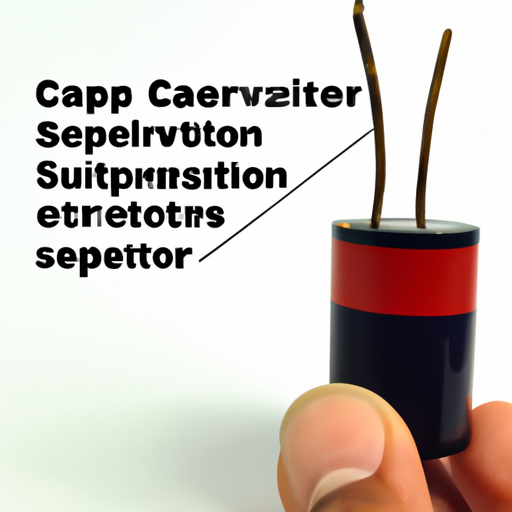
A capacitor is a passive electronic component that stores electrical energy in an electric field. It consists of two conductive plates separated by an insulating material known as a dielectric. When a voltage is applied across the plates, an electric field develops, allowing the capacitor to store energy. The amount of energy a capacitor can store is determined by its capacitance, measured in farads (F).
Capacitors come in various types, each suited for specific applications:
1. **Electrolytic Capacitors**: These are polarized capacitors that offer high capacitance values in a compact size, making them ideal for power supply filtering.
2. **Ceramic Capacitors**: Known for their stability and reliability, ceramic capacitors are commonly used in high-frequency applications.
3. **Film Capacitors**: These capacitors are made from thin plastic films and are often used in audio applications due to their excellent sound quality.
Understanding the different types of capacitors is essential for selecting the right one for a given application.
In a series circuit, components are connected end-to-end, forming a single path for current to flow. When capacitors are connected in series, the positive plate of one capacitor is connected to the negative plate of the next. This configuration affects how the capacitors behave in terms of voltage and capacitance.
1. **Voltage and Charge Distribution**: In a series connection, the total voltage across the capacitors is the sum of the individual voltages. However, the charge stored on each capacitor is the same. This means that if one capacitor has a lower voltage rating, it can become a point of failure if the total voltage exceeds its rating.
2. **Total Capacitance Calculation**: The total capacitance (C_total) of capacitors in series is calculated using the formula:
\[
\frac{1}{C_{total}} = \frac{1}{C_1} + \frac{1}{C_2} + \frac{1}{C_3} + \ldots
\]
For example, if you have two capacitors, one with a capacitance of 4 µF and another with 6 µF, the total capacitance would be:
\[
\frac{1}{C_{total}} = \frac{1}{4} + \frac{1}{6} = \frac{3}{12} + \frac{2}{12} = \frac{5}{12}
\]
Therefore, \( C_{total} = \frac{12}{5} = 2.4 \, \mu F \).
Power factor is a measure of how effectively electrical power is being converted into useful work output. A low power factor indicates poor efficiency, often due to inductive loads. Series capacitors can help improve the power factor by compensating for the inductive reactance, thus reducing the overall current drawn from the supply.
In signal processing, series capacitors are used in filters and oscillators. They can block direct current (DC) while allowing alternating current (AC) signals to pass, making them essential in audio and radio frequency applications. The frequency response of a circuit can be significantly impacted by the presence of series capacitors, allowing for the tuning of circuits to specific frequencies.
Series capacitors are also utilized in timing circuits, where they store energy and release it at specific intervals. This is particularly useful in applications such as flash photography and pulse generation. Additionally, they help smooth voltage fluctuations in power supply circuits, ensuring a stable output.
1. **Increased Voltage Handling Capability**: When capacitors are connected in series, the voltage rating of the overall configuration increases. This allows for the use of lower-rated capacitors in high-voltage applications, enhancing safety and reliability.
2. **Improved Circuit Stability**: Series capacitors can help stabilize circuits by providing reactive power, which can mitigate voltage spikes and improve overall performance.
1. **Reduced Total Capacitance**: One of the main drawbacks of connecting capacitors in series is the reduction in total capacitance. This can limit the energy storage capacity of the circuit, which may not be suitable for all applications.
2. **Potential for Voltage Drop Across Capacitors**: In a series configuration, the voltage drop across each capacitor can lead to uneven voltage distribution. If one capacitor fails or is rated lower than the others, it can cause the entire circuit to malfunction.
When selecting capacitors for series applications, several factors must be considered:
1. **Voltage Rating**: Ensure that the voltage rating of each capacitor is higher than the maximum voltage expected in the circuit.
2. **Capacitance Value**: Calculate the required total capacitance for the application and select capacitors accordingly.
3. **Type of Capacitor**: Choose the appropriate type of capacitor based on the application requirements, such as frequency response and stability.
1. **Miscalculating Total Capacitance**: It’s easy to miscalculate the total capacitance when working with series capacitors. Always double-check calculations to avoid circuit failures.
2. **Ignoring Voltage Ratings**: Failing to consider the voltage ratings of individual capacitors can lead to catastrophic failures. Always ensure that the voltage rating of each capacitor is adequate for the application.
In summary, series capacitors are an essential component in electrical engineering, offering unique advantages and applications. Understanding their characteristics, calculations, and practical considerations is crucial for anyone working with electrical circuits. As technology continues to evolve, the role of capacitors, particularly in series configurations, will remain significant. For those interested in delving deeper into the world of capacitors and electrical circuits, numerous resources are available for further study.
1. "Capacitors: Principles and Applications" by John Doe
2. "Electrical Engineering: Principles and Applications" by Allan R. Hambley
3. Online resources such as educational websites and forums dedicated to electronics and electrical engineering.
In the realm of electrical engineering, capacitors play a crucial role in various applications, from energy storage to signal processing. Among the different configurations in which capacitors can be connected, the series connection is particularly significant. This article aims to demystify series capacitors, explaining their characteristics, applications, advantages, and disadvantages. By the end, readers will have a solid understanding of what series capacitors are and how they function within electrical circuits.
A capacitor is a passive electronic component that stores electrical energy in an electric field. It consists of two conductive plates separated by an insulating material known as a dielectric. When a voltage is applied across the plates, an electric field develops, allowing the capacitor to store energy. The amount of energy a capacitor can store is determined by its capacitance, measured in farads (F).
Capacitors come in various types, each suited for specific applications:
1. **Electrolytic Capacitors**: These are polarized capacitors that offer high capacitance values in a compact size, making them ideal for power supply filtering.
2. **Ceramic Capacitors**: Known for their stability and reliability, ceramic capacitors are commonly used in high-frequency applications.
3. **Film Capacitors**: These capacitors are made from thin plastic films and are often used in audio applications due to their excellent sound quality.
Understanding the different types of capacitors is essential for selecting the right one for a given application.
In a series circuit, components are connected end-to-end, forming a single path for current to flow. When capacitors are connected in series, the positive plate of one capacitor is connected to the negative plate of the next. This configuration affects how the capacitors behave in terms of voltage and capacitance.
1. **Voltage and Charge Distribution**: In a series connection, the total voltage across the capacitors is the sum of the individual voltages. However, the charge stored on each capacitor is the same. This means that if one capacitor has a lower voltage rating, it can become a point of failure if the total voltage exceeds its rating.
2. **Total Capacitance Calculation**: The total capacitance (C_total) of capacitors in series is calculated using the formula:
\[
\frac{1}{C_{total}} = \frac{1}{C_1} + \frac{1}{C_2} + \frac{1}{C_3} + \ldots
\]
For example, if you have two capacitors, one with a capacitance of 4 µF and another with 6 µF, the total capacitance would be:
\[
\frac{1}{C_{total}} = \frac{1}{4} + \frac{1}{6} = \frac{3}{12} + \frac{2}{12} = \frac{5}{12}
\]
Therefore, \( C_{total} = \frac{12}{5} = 2.4 \, \mu F \).
Power factor is a measure of how effectively electrical power is being converted into useful work output. A low power factor indicates poor efficiency, often due to inductive loads. Series capacitors can help improve the power factor by compensating for the inductive reactance, thus reducing the overall current drawn from the supply.
In signal processing, series capacitors are used in filters and oscillators. They can block direct current (DC) while allowing alternating current (AC) signals to pass, making them essential in audio and radio frequency applications. The frequency response of a circuit can be significantly impacted by the presence of series capacitors, allowing for the tuning of circuits to specific frequencies.
Series capacitors are also utilized in timing circuits, where they store energy and release it at specific intervals. This is particularly useful in applications such as flash photography and pulse generation. Additionally, they help smooth voltage fluctuations in power supply circuits, ensuring a stable output.
1. **Increased Voltage Handling Capability**: When capacitors are connected in series, the voltage rating of the overall configuration increases. This allows for the use of lower-rated capacitors in high-voltage applications, enhancing safety and reliability.
2. **Improved Circuit Stability**: Series capacitors can help stabilize circuits by providing reactive power, which can mitigate voltage spikes and improve overall performance.
1. **Reduced Total Capacitance**: One of the main drawbacks of connecting capacitors in series is the reduction in total capacitance. This can limit the energy storage capacity of the circuit, which may not be suitable for all applications.
2. **Potential for Voltage Drop Across Capacitors**: In a series configuration, the voltage drop across each capacitor can lead to uneven voltage distribution. If one capacitor fails or is rated lower than the others, it can cause the entire circuit to malfunction.
When selecting capacitors for series applications, several factors must be considered:
1. **Voltage Rating**: Ensure that the voltage rating of each capacitor is higher than the maximum voltage expected in the circuit.
2. **Capacitance Value**: Calculate the required total capacitance for the application and select capacitors accordingly.
3. **Type of Capacitor**: Choose the appropriate type of capacitor based on the application requirements, such as frequency response and stability.
1. **Miscalculating Total Capacitance**: It’s easy to miscalculate the total capacitance when working with series capacitors. Always double-check calculations to avoid circuit failures.
2. **Ignoring Voltage Ratings**: Failing to consider the voltage ratings of individual capacitors can lead to catastrophic failures. Always ensure that the voltage rating of each capacitor is adequate for the application.
In summary, series capacitors are an essential component in electrical engineering, offering unique advantages and applications. Understanding their characteristics, calculations, and practical considerations is crucial for anyone working with electrical circuits. As technology continues to evolve, the role of capacitors, particularly in series configurations, will remain significant. For those interested in delving deeper into the world of capacitors and electrical circuits, numerous resources are available for further study.
1. "Capacitors: Principles and Applications" by John Doe
2. "Electrical Engineering: Principles and Applications" by Allan R. Hambley
3. Online resources such as educational websites and forums dedicated to electronics and electrical engineering.