取消
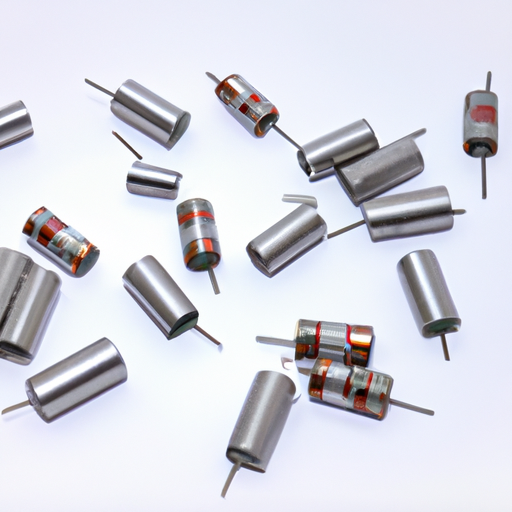
Standard capacitors are essential components in electronic circuits, serving as energy storage devices that can release energy when needed. They play a crucial role in various applications, from consumer electronics to automotive systems, telecommunications, and industrial machinery. As technology evolves, the standard capacitor industry is experiencing significant changes driven by advancements in materials, manufacturing processes, and market demands. This blog post explores the development trends in the standard capacitor industry, providing insights into its historical context, current market landscape, technological advancements, emerging trends, challenges, and future outlook.
The evolution of capacitor technology has been marked by significant milestones. Early capacitors were simple devices made from basic materials, but as the demand for more efficient and compact components grew, so did the complexity of capacitor designs. The transition from analog to digital technologies in the late 20th century further accelerated the development of capacitors, leading to the creation of more sophisticated and reliable components.
Key milestones include the introduction of ceramic capacitors in the 1950s, which offered improved stability and performance, and the development of tantalum capacitors in the 1970s, known for their high capacitance values in small packages. These innovations laid the groundwork for the modern standard capacitors we use today.
The global standard capacitor market has witnessed substantial growth in recent years. According to industry reports, the market size is projected to reach several billion dollars by the end of the decade, with a compound annual growth rate (CAGR) of around 5-7%. Key players in the market include companies like Murata Manufacturing, Vishay Intertechnology, and KEMET Corporation, which collectively hold a significant share of the market.
Standard capacitors find applications across various sectors:
1. **Consumer Electronics**: Capacitors are integral to devices such as smartphones, tablets, and laptops, where they help manage power supply and signal processing.
2. **Automotive Industry**: With the rise of electric vehicles (EVs) and advanced driver-assistance systems (ADAS), capacitors are crucial for energy storage and power management.
3. **Industrial Applications**: Capacitors are used in machinery and equipment for energy storage, power factor correction, and signal filtering.
4. **Telecommunications**: Capacitors play a vital role in communication devices, ensuring stable power supply and signal integrity.
The standard capacitor industry is subject to various regulatory standards that ensure product safety and performance. Compliance with international standards, such as IEC and ISO, is essential for manufacturers to maintain market access and consumer trust.
One of the most significant trends in the standard capacitor industry is the miniaturization of components. As devices become smaller and more portable, the demand for compact capacitors has surged. This trend has led to innovations in design and performance, allowing manufacturers to create capacitors that occupy less space while maintaining or even enhancing their functionality.
The development of new materials is another critical advancement in the capacitor industry. High-k dielectrics, for instance, enable capacitors to achieve higher capacitance values without increasing their size. Additionally, organic and polymer capacitors are gaining popularity due to their flexibility, lightweight nature, and potential for lower production costs.
Manufacturing processes have also evolved, with automation and precision engineering becoming more prevalent. These advancements not only improve production efficiency but also enhance the quality and reliability of capacitors. Furthermore, sustainable manufacturing practices are gaining traction, as companies seek to reduce their environmental impact and comply with regulatory pressures.
The global shift towards renewable energy sources is creating new opportunities for the standard capacitor industry. Capacitors play a vital role in energy storage systems, helping to stabilize power supply from intermittent sources like solar and wind energy. As the demand for energy storage solutions grows, so does the need for advanced capacitors that can efficiently store and release energy.
The rise of electric vehicles presents both challenges and opportunities for the capacitor industry. Capacitors are essential components in EV power systems, where they help manage energy flow and improve overall efficiency. However, the industry must also address challenges such as the need for higher capacitance values and improved thermal stability to meet the demands of EV applications.
The proliferation of IoT devices and smart technologies is driving changes in capacitor requirements. These devices often require capacitors that can operate efficiently in low-power environments while maintaining high performance. As IoT applications continue to expand, the capacitor industry must adapt to meet the evolving needs of this market.
The standard capacitor industry is not immune to supply chain disruptions, which have become increasingly common due to global events such as pandemics and geopolitical tensions. These disruptions can lead to shortages of raw materials and components, impacting production schedules and increasing costs. To build resilience, companies are exploring strategies such as diversifying suppliers and investing in local manufacturing.
The rise of supercapacitors presents a challenge to traditional capacitors. Supercapacitors offer advantages such as faster charging times and longer cycle life, making them attractive for certain applications. However, traditional capacitors still hold a significant market share due to their established reliability and performance. The industry must continue to innovate to remain competitive.
Environmental concerns are becoming increasingly important in the capacitor industry. E-waste and recycling challenges pose significant issues, as many capacitors contain materials that can be harmful to the environment. Regulatory pressures are pushing manufacturers to adopt sustainable practices and develop recyclable products, which will be crucial for the industry's long-term viability.
The future of the standard capacitor industry looks promising, with continued market growth expected. Technological advancements will likely focus on improving performance, reducing size, and enhancing sustainability. Innovations in materials and manufacturing processes will play a crucial role in shaping the industry's future.
Research and development will be essential for addressing the challenges and opportunities facing the industry. Potential areas for exploration include the development of new dielectric materials, advanced manufacturing techniques, and innovative capacitor designs tailored for emerging applications.
Collaboration between industry and academia will be vital for driving innovation in the standard capacitor industry. By working together, researchers and manufacturers can share knowledge, resources, and expertise, leading to breakthroughs that benefit both parties and the broader market.
In summary, the standard capacitor industry is undergoing significant changes driven by technological advancements, emerging trends, and evolving market demands. While challenges such as supply chain disruptions and environmental concerns persist, the industry's future remains bright, with opportunities for growth and innovation. As we move forward, the importance of standard capacitors in technology and society will only continue to grow, underscoring the need for ongoing research, development, and collaboration.
1. Academic journals and articles on capacitor technology and market trends.
2. Industry reports and market analyses from reputable sources.
3. Relevant standards and regulatory documents governing the capacitor industry.
This blog post provides a comprehensive overview of the development trends in the standard capacitor industry, highlighting the historical context, current market dynamics, technological advancements, emerging trends, challenges, and future outlook. As the industry continues to evolve, staying informed about these trends will be crucial for stakeholders and consumers alike.
Standard capacitors are essential components in electronic circuits, serving as energy storage devices that can release energy when needed. They play a crucial role in various applications, from consumer electronics to automotive systems, telecommunications, and industrial machinery. As technology evolves, the standard capacitor industry is experiencing significant changes driven by advancements in materials, manufacturing processes, and market demands. This blog post explores the development trends in the standard capacitor industry, providing insights into its historical context, current market landscape, technological advancements, emerging trends, challenges, and future outlook.
The evolution of capacitor technology has been marked by significant milestones. Early capacitors were simple devices made from basic materials, but as the demand for more efficient and compact components grew, so did the complexity of capacitor designs. The transition from analog to digital technologies in the late 20th century further accelerated the development of capacitors, leading to the creation of more sophisticated and reliable components.
Key milestones include the introduction of ceramic capacitors in the 1950s, which offered improved stability and performance, and the development of tantalum capacitors in the 1970s, known for their high capacitance values in small packages. These innovations laid the groundwork for the modern standard capacitors we use today.
The global standard capacitor market has witnessed substantial growth in recent years. According to industry reports, the market size is projected to reach several billion dollars by the end of the decade, with a compound annual growth rate (CAGR) of around 5-7%. Key players in the market include companies like Murata Manufacturing, Vishay Intertechnology, and KEMET Corporation, which collectively hold a significant share of the market.
Standard capacitors find applications across various sectors:
1. **Consumer Electronics**: Capacitors are integral to devices such as smartphones, tablets, and laptops, where they help manage power supply and signal processing.
2. **Automotive Industry**: With the rise of electric vehicles (EVs) and advanced driver-assistance systems (ADAS), capacitors are crucial for energy storage and power management.
3. **Industrial Applications**: Capacitors are used in machinery and equipment for energy storage, power factor correction, and signal filtering.
4. **Telecommunications**: Capacitors play a vital role in communication devices, ensuring stable power supply and signal integrity.
The standard capacitor industry is subject to various regulatory standards that ensure product safety and performance. Compliance with international standards, such as IEC and ISO, is essential for manufacturers to maintain market access and consumer trust.
One of the most significant trends in the standard capacitor industry is the miniaturization of components. As devices become smaller and more portable, the demand for compact capacitors has surged. This trend has led to innovations in design and performance, allowing manufacturers to create capacitors that occupy less space while maintaining or even enhancing their functionality.
The development of new materials is another critical advancement in the capacitor industry. High-k dielectrics, for instance, enable capacitors to achieve higher capacitance values without increasing their size. Additionally, organic and polymer capacitors are gaining popularity due to their flexibility, lightweight nature, and potential for lower production costs.
Manufacturing processes have also evolved, with automation and precision engineering becoming more prevalent. These advancements not only improve production efficiency but also enhance the quality and reliability of capacitors. Furthermore, sustainable manufacturing practices are gaining traction, as companies seek to reduce their environmental impact and comply with regulatory pressures.
The global shift towards renewable energy sources is creating new opportunities for the standard capacitor industry. Capacitors play a vital role in energy storage systems, helping to stabilize power supply from intermittent sources like solar and wind energy. As the demand for energy storage solutions grows, so does the need for advanced capacitors that can efficiently store and release energy.
The rise of electric vehicles presents both challenges and opportunities for the capacitor industry. Capacitors are essential components in EV power systems, where they help manage energy flow and improve overall efficiency. However, the industry must also address challenges such as the need for higher capacitance values and improved thermal stability to meet the demands of EV applications.
The proliferation of IoT devices and smart technologies is driving changes in capacitor requirements. These devices often require capacitors that can operate efficiently in low-power environments while maintaining high performance. As IoT applications continue to expand, the capacitor industry must adapt to meet the evolving needs of this market.
The standard capacitor industry is not immune to supply chain disruptions, which have become increasingly common due to global events such as pandemics and geopolitical tensions. These disruptions can lead to shortages of raw materials and components, impacting production schedules and increasing costs. To build resilience, companies are exploring strategies such as diversifying suppliers and investing in local manufacturing.
The rise of supercapacitors presents a challenge to traditional capacitors. Supercapacitors offer advantages such as faster charging times and longer cycle life, making them attractive for certain applications. However, traditional capacitors still hold a significant market share due to their established reliability and performance. The industry must continue to innovate to remain competitive.
Environmental concerns are becoming increasingly important in the capacitor industry. E-waste and recycling challenges pose significant issues, as many capacitors contain materials that can be harmful to the environment. Regulatory pressures are pushing manufacturers to adopt sustainable practices and develop recyclable products, which will be crucial for the industry's long-term viability.
The future of the standard capacitor industry looks promising, with continued market growth expected. Technological advancements will likely focus on improving performance, reducing size, and enhancing sustainability. Innovations in materials and manufacturing processes will play a crucial role in shaping the industry's future.
Research and development will be essential for addressing the challenges and opportunities facing the industry. Potential areas for exploration include the development of new dielectric materials, advanced manufacturing techniques, and innovative capacitor designs tailored for emerging applications.
Collaboration between industry and academia will be vital for driving innovation in the standard capacitor industry. By working together, researchers and manufacturers can share knowledge, resources, and expertise, leading to breakthroughs that benefit both parties and the broader market.
In summary, the standard capacitor industry is undergoing significant changes driven by technological advancements, emerging trends, and evolving market demands. While challenges such as supply chain disruptions and environmental concerns persist, the industry's future remains bright, with opportunities for growth and innovation. As we move forward, the importance of standard capacitors in technology and society will only continue to grow, underscoring the need for ongoing research, development, and collaboration.
1. Academic journals and articles on capacitor technology and market trends.
2. Industry reports and market analyses from reputable sources.
3. Relevant standards and regulatory documents governing the capacitor industry.
This blog post provides a comprehensive overview of the development trends in the standard capacitor industry, highlighting the historical context, current market dynamics, technological advancements, emerging trends, challenges, and future outlook. As the industry continues to evolve, staying informed about these trends will be crucial for stakeholders and consumers alike.