取消
Capacitors are fundamental components in electronic circuits, serving as energy storage devices that can release energy when needed. They play a crucial role in various applications, from filtering signals in audio equipment to stabilizing voltage in power supplies. Understanding the production process of capacitors, along with their wiring diagrams, is essential for anyone involved in electronics, whether as a hobbyist or a professional engineer. This blog post will explore the types of capacitors, the production process, the significance of wiring diagrams, and the future of capacitor technology.
Capacitors come in various types, each suited for specific applications:
1. **Ceramic Capacitors**: These are made from ceramic materials and are widely used due to their small size and reliability. They are ideal for high-frequency applications.
2. **Electrolytic Capacitors**: Known for their high capacitance values, these capacitors are polarized and often used in power supply circuits.
3. **Film Capacitors**: Made from plastic films, these capacitors are known for their stability and low losses, making them suitable for audio and high-frequency applications.
4. **Tantalum Capacitors**: These are compact and offer high capacitance in a small package, often used in portable electronics.
Capacitance is the ability of a capacitor to store electrical energy. It is measured in farads (F) and is defined as the ratio of the electric charge stored on one plate to the voltage across the plates. The basic formula for capacitance (C) is:
\[ C = \frac{Q}{V} \]
where \( Q \) is the charge in coulombs and \( V \) is the voltage in volts.
Capacitors are used in a wide range of applications, including:
Consumer Electronics: In devices like smartphones and televisions for power management and signal filtering.
Automotive: In electric vehicles for energy storage and management.
Renewable Energy: In solar inverters and wind turbines for energy stabilization.
Industrial Equipment: For power factor correction and energy storage.
The production of capacitors begins with the selection of raw materials:
1. **Dielectric Materials**: These materials, which can be ceramic, plastic, or electrolytic, determine the capacitor's performance characteristics.
2. **Conductive Materials**: Metals like aluminum or tantalum are used for the electrodes, which must have high conductivity and stability.
The manufacturing process involves several key steps:
1. **Dielectric Layer Preparation**:
- **Material Processing**: The dielectric material is processed to achieve the desired properties, such as thickness and uniformity.
- **Layer Thickness Control**: Precise control of the dielectric layer's thickness is crucial for achieving the desired capacitance.
2. **Electrode Fabrication**:
- **Material Deposition Techniques**: Techniques such as sputtering or chemical vapor deposition are used to apply conductive materials onto the dielectric layer.
- **Electrode Patterning**: The electrodes are patterned using photolithography or laser cutting to create the desired shapes.
3. **Assembly of Capacitor Components**:
- **Layer Stacking**: The dielectric and electrode layers are stacked together to form the capacitor structure.
- **Connection Methods**: Various methods, such as soldering or welding, are used to connect the capacitor leads.
4. **Encapsulation and Packaging**:
- **Protective Coatings**: A protective coating is applied to shield the capacitor from environmental factors.
- **Final Assembly**: The capacitor is assembled into its final form, ready for testing and distribution.
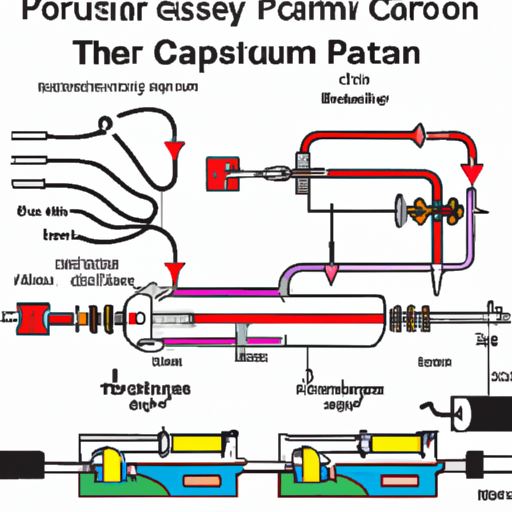
Wiring diagrams are essential for understanding how capacitors are integrated into electronic circuits. They provide a visual representation of the connections and components involved.
In wiring diagrams, capacitors are typically represented by specific symbols, such as two parallel lines for non-polarized capacitors and a curved line for polarized capacitors.
1. **Schematic Diagrams**: These diagrams show the components and their connections in a simplified manner, focusing on the functional relationships.
2. **Block Diagrams**: These provide a high-level overview of the system, showing major components and their interactions without detailing the connections.
3. **Connection Diagrams**: These diagrams illustrate the physical connections between components, often used for installation and troubleshooting.
To illustrate, consider a simple circuit involving an electrolytic capacitor used for smoothing voltage in a power supply. The wiring diagram would show the capacitor connected in parallel with the load, with clear indications of the positive and negative terminals. Each component, including resistors and diodes, would be labeled, and the connections would be clearly marked.
Quality control is critical in capacitor production to ensure reliability and performance. Common testing methods include:
1. **Capacitance Measurement**: This verifies that the capacitor meets its specified capacitance value.
2. **Leakage Current Testing**: This checks for unwanted current flow through the dielectric, which can indicate defects.
3. **Voltage Withstand Testing**: This ensures that the capacitor can handle its rated voltage without failure.
Manufacturers must adhere to various standards and certifications, such as:
1. **ISO Standards**: These ensure consistent quality management practices.
2. **Industry-Specific Regulations**: Compliance with regulations specific to electronics and safety is essential for market acceptance.
The availability and cost of raw materials can impact production. For instance, tantalum, used in tantalum capacitors, is subject to supply chain fluctuations.
Keeping up with technological advancements is crucial for manufacturers to remain competitive. Innovations in materials and production techniques can lead to better performance and lower costs.
Manufacturers must also consider environmental regulations and sustainability practices, such as reducing waste and using eco-friendly materials.
Research is ongoing into new dielectric materials that can enhance performance and reduce size, such as organic materials and nanomaterials.
As electronic devices become smaller, the demand for miniaturized capacitors with higher efficiency continues to grow. This trend is particularly evident in portable electronics and wearables.
Capacitors are increasingly being used in renewable energy systems and electric vehicles, where they play a vital role in energy storage and management.
In summary, capacitors are essential components in modern electronics, with a production process that involves careful material selection, precise manufacturing steps, and rigorous quality control. Wiring diagrams serve as vital tools for understanding how capacitors fit into electronic circuits. As technology advances, the future of capacitor technology looks promising, with innovations that will enhance performance and expand applications. Understanding the production process and wiring diagrams of capacitors is crucial for anyone involved in the electronics field, as these components will continue to play a significant role in shaping the future of technology.
Capacitors are fundamental components in electronic circuits, serving as energy storage devices that can release energy when needed. They play a crucial role in various applications, from filtering signals in audio equipment to stabilizing voltage in power supplies. Understanding the production process of capacitors, along with their wiring diagrams, is essential for anyone involved in electronics, whether as a hobbyist or a professional engineer. This blog post will explore the types of capacitors, the production process, the significance of wiring diagrams, and the future of capacitor technology.
Capacitors come in various types, each suited for specific applications:
1. **Ceramic Capacitors**: These are made from ceramic materials and are widely used due to their small size and reliability. They are ideal for high-frequency applications.
2. **Electrolytic Capacitors**: Known for their high capacitance values, these capacitors are polarized and often used in power supply circuits.
3. **Film Capacitors**: Made from plastic films, these capacitors are known for their stability and low losses, making them suitable for audio and high-frequency applications.
4. **Tantalum Capacitors**: These are compact and offer high capacitance in a small package, often used in portable electronics.
Capacitance is the ability of a capacitor to store electrical energy. It is measured in farads (F) and is defined as the ratio of the electric charge stored on one plate to the voltage across the plates. The basic formula for capacitance (C) is:
\[ C = \frac{Q}{V} \]
where \( Q \) is the charge in coulombs and \( V \) is the voltage in volts.
Capacitors are used in a wide range of applications, including:
Consumer Electronics: In devices like smartphones and televisions for power management and signal filtering.
Automotive: In electric vehicles for energy storage and management.
Renewable Energy: In solar inverters and wind turbines for energy stabilization.
Industrial Equipment: For power factor correction and energy storage.
The production of capacitors begins with the selection of raw materials:
1. **Dielectric Materials**: These materials, which can be ceramic, plastic, or electrolytic, determine the capacitor's performance characteristics.
2. **Conductive Materials**: Metals like aluminum or tantalum are used for the electrodes, which must have high conductivity and stability.
The manufacturing process involves several key steps:
1. **Dielectric Layer Preparation**:
- **Material Processing**: The dielectric material is processed to achieve the desired properties, such as thickness and uniformity.
- **Layer Thickness Control**: Precise control of the dielectric layer's thickness is crucial for achieving the desired capacitance.
2. **Electrode Fabrication**:
- **Material Deposition Techniques**: Techniques such as sputtering or chemical vapor deposition are used to apply conductive materials onto the dielectric layer.
- **Electrode Patterning**: The electrodes are patterned using photolithography or laser cutting to create the desired shapes.
3. **Assembly of Capacitor Components**:
- **Layer Stacking**: The dielectric and electrode layers are stacked together to form the capacitor structure.
- **Connection Methods**: Various methods, such as soldering or welding, are used to connect the capacitor leads.
4. **Encapsulation and Packaging**:
- **Protective Coatings**: A protective coating is applied to shield the capacitor from environmental factors.
- **Final Assembly**: The capacitor is assembled into its final form, ready for testing and distribution.
Wiring diagrams are essential for understanding how capacitors are integrated into electronic circuits. They provide a visual representation of the connections and components involved.
In wiring diagrams, capacitors are typically represented by specific symbols, such as two parallel lines for non-polarized capacitors and a curved line for polarized capacitors.
1. **Schematic Diagrams**: These diagrams show the components and their connections in a simplified manner, focusing on the functional relationships.
2. **Block Diagrams**: These provide a high-level overview of the system, showing major components and their interactions without detailing the connections.
3. **Connection Diagrams**: These diagrams illustrate the physical connections between components, often used for installation and troubleshooting.
To illustrate, consider a simple circuit involving an electrolytic capacitor used for smoothing voltage in a power supply. The wiring diagram would show the capacitor connected in parallel with the load, with clear indications of the positive and negative terminals. Each component, including resistors and diodes, would be labeled, and the connections would be clearly marked.
Quality control is critical in capacitor production to ensure reliability and performance. Common testing methods include:
1. **Capacitance Measurement**: This verifies that the capacitor meets its specified capacitance value.
2. **Leakage Current Testing**: This checks for unwanted current flow through the dielectric, which can indicate defects.
3. **Voltage Withstand Testing**: This ensures that the capacitor can handle its rated voltage without failure.
Manufacturers must adhere to various standards and certifications, such as:
1. **ISO Standards**: These ensure consistent quality management practices.
2. **Industry-Specific Regulations**: Compliance with regulations specific to electronics and safety is essential for market acceptance.
The availability and cost of raw materials can impact production. For instance, tantalum, used in tantalum capacitors, is subject to supply chain fluctuations.
Keeping up with technological advancements is crucial for manufacturers to remain competitive. Innovations in materials and production techniques can lead to better performance and lower costs.
Manufacturers must also consider environmental regulations and sustainability practices, such as reducing waste and using eco-friendly materials.
Research is ongoing into new dielectric materials that can enhance performance and reduce size, such as organic materials and nanomaterials.
As electronic devices become smaller, the demand for miniaturized capacitors with higher efficiency continues to grow. This trend is particularly evident in portable electronics and wearables.
Capacitors are increasingly being used in renewable energy systems and electric vehicles, where they play a vital role in energy storage and management.
In summary, capacitors are essential components in modern electronics, with a production process that involves careful material selection, precise manufacturing steps, and rigorous quality control. Wiring diagrams serve as vital tools for understanding how capacitors fit into electronic circuits. As technology advances, the future of capacitor technology looks promising, with innovations that will enhance performance and expand applications. Understanding the production process and wiring diagrams of capacitors is crucial for anyone involved in the electronics field, as these components will continue to play a significant role in shaping the future of technology.