取消
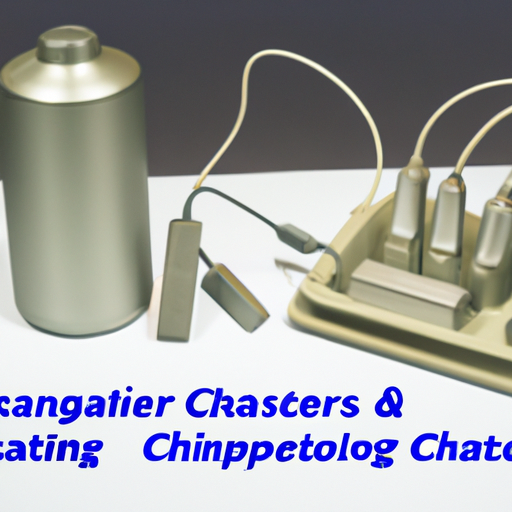
Capacitors are fundamental components in electronic circuits, serving as energy storage devices that can release energy when needed. They play a crucial role in various applications, from smoothing out voltage fluctuations in power supplies to enabling timing functions in oscillators. Understanding the charging and discharging processes of capacitors is essential for engineers and hobbyists alike, as it influences the design and functionality of electronic devices. This blog post will delve into the types of capacitors, the mechanisms of charging and discharging, and the production processes involved in creating these vital components.
Capacitors come in various types, each with unique construction, materials, and applications. The most common types include:
Electrolytic capacitors are polarized components that use an electrolyte to achieve a high capacitance value in a relatively small package. They are typically constructed with aluminum or tantalum foils and an insulating oxide layer. These capacitors are widely used in power supply circuits, audio equipment, and energy storage applications due to their high capacitance and voltage ratings.
Ceramic capacitors are non-polarized components made from ceramic materials. They are known for their stability, reliability, and low cost. These capacitors are commonly used in high-frequency applications, such as RF circuits, decoupling, and filtering, due to their low equivalent series resistance (ESR).
Film capacitors are constructed using thin plastic films as the dielectric material. They offer excellent stability, low losses, and high insulation resistance. Film capacitors are often used in audio applications, power electronics, and timing circuits, where precision and reliability are critical.
Tantalum capacitors are similar to electrolytic capacitors but use tantalum as the anode material. They are known for their high capacitance values and stability over a wide temperature range. Tantalum capacitors are commonly used in compact electronic devices, such as smartphones and tablets, where space is limited.
Charging a capacitor involves the process of storing electrical energy in the capacitor's electric field. When a voltage is applied across the capacitor's terminals, it begins to accumulate charge.
1. **Voltage Application**: When a voltage source is connected to a capacitor, the potential difference causes electrons to move from one plate to the other.
2. **Current Flow and Electron Movement**: The movement of electrons creates a current that flows into the capacitor, causing one plate to become negatively charged and the other positively charged.
The time constant (τ) is a critical parameter in the charging process, defined as the product of the resistance (R) and capacitance (C) in the circuit (τ = R × C). It indicates the time required for the capacitor to charge to approximately 63.2% of the applied voltage. Understanding the time constant helps engineers design circuits that respond appropriately to changes in voltage.
1. **Capacitance Value**: A higher capacitance value results in a longer charging time, as more charge needs to be accumulated.
2. **Resistance in the Circuit**: The resistance in the circuit also affects the charging time; higher resistance leads to slower charging.
Charging processes are utilized in various applications, such as power supply circuits, where capacitors smooth out voltage fluctuations, and in timing circuits, where they control the timing of events.
Discharging a capacitor involves releasing the stored electrical energy back into the circuit. This process occurs when the voltage source is removed, and the capacitor is connected to a load.
1. **Removal of Voltage**: When the voltage source is disconnected, the capacitor begins to discharge through the connected load.
2. **Current Flow and Electron Movement**: The stored charge flows out of the capacitor, creating a current that powers the load until the capacitor is fully discharged.
Similar to charging, the time constant plays a significant role in discharging. It determines how quickly the capacitor releases its stored energy. The time constant for discharging is also given by τ = R × C, where R is the resistance of the load.
1. **Capacitance Value**: A higher capacitance value results in a longer discharging time, as more energy is stored.
2. **Resistance in the Circuit**: The resistance of the load affects the discharging time; higher resistance leads to slower discharging.
Discharging processes are critical in applications such as flash photography, where capacitors release energy quickly to produce a bright flash, and in power supply circuits, where they provide backup power during brief interruptions.
The production of capacitors involves various raw materials, including conductive metals (such as aluminum and tantalum), dielectric materials (ceramics, plastics), and electrolytes (for electrolytic capacitors).
1. **Material Preparation**: The raw materials are prepared and processed to meet specific requirements for capacitance, voltage rating, and stability.
2. **Layering and Assembly**: For multilayer capacitors, layers of dielectric and conductive materials are stacked and assembled to form the capacitor structure.
3. **Electrolytic Processes**: In the case of electrolytic capacitors, an electrolytic process is used to form the oxide layer on the anode, which is crucial for the capacitor's functionality.
4. **Testing and Quality Control**: After assembly, capacitors undergo rigorous testing to ensure they meet performance specifications and quality standards.
The production of capacitors must also consider environmental impacts, such as waste management and the use of sustainable materials. Manufacturers are increasingly adopting eco-friendly practices to minimize their carbon footprint.
In summary, understanding the charging and discharging processes of capacitors is essential for anyone involved in electronics. These processes dictate how capacitors function in various applications, from power supplies to timing circuits. Additionally, the production process of capacitors involves careful consideration of materials and manufacturing techniques to ensure high performance and reliability. As technology advances, we can expect to see innovations in capacitor design and production, leading to even more efficient and compact electronic devices.
1. Academic journals on capacitor technology and applications.
2. Industry publications detailing advancements in capacitor manufacturing.
3. Online resources and textbooks covering electronic components and circuit design.
This comprehensive overview of capacitors, their charging and discharging processes, and their production provides a solid foundation for understanding their critical role in modern electronics.
Capacitors are fundamental components in electronic circuits, serving as energy storage devices that can release energy when needed. They play a crucial role in various applications, from smoothing out voltage fluctuations in power supplies to enabling timing functions in oscillators. Understanding the charging and discharging processes of capacitors is essential for engineers and hobbyists alike, as it influences the design and functionality of electronic devices. This blog post will delve into the types of capacitors, the mechanisms of charging and discharging, and the production processes involved in creating these vital components.
Capacitors come in various types, each with unique construction, materials, and applications. The most common types include:
Electrolytic capacitors are polarized components that use an electrolyte to achieve a high capacitance value in a relatively small package. They are typically constructed with aluminum or tantalum foils and an insulating oxide layer. These capacitors are widely used in power supply circuits, audio equipment, and energy storage applications due to their high capacitance and voltage ratings.
Ceramic capacitors are non-polarized components made from ceramic materials. They are known for their stability, reliability, and low cost. These capacitors are commonly used in high-frequency applications, such as RF circuits, decoupling, and filtering, due to their low equivalent series resistance (ESR).
Film capacitors are constructed using thin plastic films as the dielectric material. They offer excellent stability, low losses, and high insulation resistance. Film capacitors are often used in audio applications, power electronics, and timing circuits, where precision and reliability are critical.
Tantalum capacitors are similar to electrolytic capacitors but use tantalum as the anode material. They are known for their high capacitance values and stability over a wide temperature range. Tantalum capacitors are commonly used in compact electronic devices, such as smartphones and tablets, where space is limited.
Charging a capacitor involves the process of storing electrical energy in the capacitor's electric field. When a voltage is applied across the capacitor's terminals, it begins to accumulate charge.
1. **Voltage Application**: When a voltage source is connected to a capacitor, the potential difference causes electrons to move from one plate to the other.
2. **Current Flow and Electron Movement**: The movement of electrons creates a current that flows into the capacitor, causing one plate to become negatively charged and the other positively charged.
The time constant (τ) is a critical parameter in the charging process, defined as the product of the resistance (R) and capacitance (C) in the circuit (τ = R × C). It indicates the time required for the capacitor to charge to approximately 63.2% of the applied voltage. Understanding the time constant helps engineers design circuits that respond appropriately to changes in voltage.
1. **Capacitance Value**: A higher capacitance value results in a longer charging time, as more charge needs to be accumulated.
2. **Resistance in the Circuit**: The resistance in the circuit also affects the charging time; higher resistance leads to slower charging.
Charging processes are utilized in various applications, such as power supply circuits, where capacitors smooth out voltage fluctuations, and in timing circuits, where they control the timing of events.
Discharging a capacitor involves releasing the stored electrical energy back into the circuit. This process occurs when the voltage source is removed, and the capacitor is connected to a load.
1. **Removal of Voltage**: When the voltage source is disconnected, the capacitor begins to discharge through the connected load.
2. **Current Flow and Electron Movement**: The stored charge flows out of the capacitor, creating a current that powers the load until the capacitor is fully discharged.
Similar to charging, the time constant plays a significant role in discharging. It determines how quickly the capacitor releases its stored energy. The time constant for discharging is also given by τ = R × C, where R is the resistance of the load.
1. **Capacitance Value**: A higher capacitance value results in a longer discharging time, as more energy is stored.
2. **Resistance in the Circuit**: The resistance of the load affects the discharging time; higher resistance leads to slower discharging.
Discharging processes are critical in applications such as flash photography, where capacitors release energy quickly to produce a bright flash, and in power supply circuits, where they provide backup power during brief interruptions.
The production of capacitors involves various raw materials, including conductive metals (such as aluminum and tantalum), dielectric materials (ceramics, plastics), and electrolytes (for electrolytic capacitors).
1. **Material Preparation**: The raw materials are prepared and processed to meet specific requirements for capacitance, voltage rating, and stability.
2. **Layering and Assembly**: For multilayer capacitors, layers of dielectric and conductive materials are stacked and assembled to form the capacitor structure.
3. **Electrolytic Processes**: In the case of electrolytic capacitors, an electrolytic process is used to form the oxide layer on the anode, which is crucial for the capacitor's functionality.
4. **Testing and Quality Control**: After assembly, capacitors undergo rigorous testing to ensure they meet performance specifications and quality standards.
The production of capacitors must also consider environmental impacts, such as waste management and the use of sustainable materials. Manufacturers are increasingly adopting eco-friendly practices to minimize their carbon footprint.
In summary, understanding the charging and discharging processes of capacitors is essential for anyone involved in electronics. These processes dictate how capacitors function in various applications, from power supplies to timing circuits. Additionally, the production process of capacitors involves careful consideration of materials and manufacturing techniques to ensure high performance and reliability. As technology advances, we can expect to see innovations in capacitor design and production, leading to even more efficient and compact electronic devices.
1. Academic journals on capacitor technology and applications.
2. Industry publications detailing advancements in capacitor manufacturing.
3. Online resources and textbooks covering electronic components and circuit design.
This comprehensive overview of capacitors, their charging and discharging processes, and their production provides a solid foundation for understanding their critical role in modern electronics.