取消
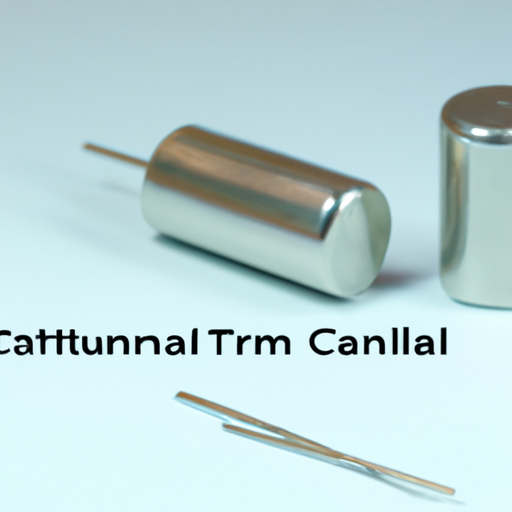
Tantalum capacitors are a type of electrolytic capacitor that utilizes tantalum metal as the anode. Known for their high capacitance density and reliability, these capacitors play a crucial role in various electronic circuits, from consumer electronics to aerospace applications. This article will delve into the working principle of tantalum capacitors, exploring their structure, operation, advantages, limitations, and future trends.
The development of tantalum capacitors dates back to the mid-20th century when advancements in materials science allowed for the use of tantalum in electronic components. Initially, tantalum was used in military applications due to its high melting point and resistance to corrosion. Over the years, the technology evolved, leading to the widespread adoption of tantalum capacitors in modern electronics. Today, they are integral to devices such as smartphones, computers, and medical equipment, showcasing their versatility and importance in the electronics industry.
Capacitance is defined as the ability of a component to store electrical energy in an electric field. It is measured in farads (F) and is influenced by the surface area of the conductive plates, the distance between them, and the type of dielectric material used. In tantalum capacitors, the dielectric material is tantalum oxide, which is formed during the manufacturing process. This oxide layer is crucial as it allows for a high capacitance value in a compact size, making tantalum capacitors distinct from other types, such as ceramic and electrolytic capacitors.
1. **Tantalum Anode**: The anode is made from tantalum powder, which is compacted and sintered to form a solid structure. This anode serves as one of the conductive plates in the capacitor.
2. **Dielectric Layer**: The dielectric layer is formed by oxidizing the tantalum anode, creating a thin layer of tantalum pentoxide (Ta2O5). This layer is essential for the capacitor's ability to store charge.
3. **Cathode**: The cathode is typically made from a conductive material, such as manganese dioxide or a conductive polymer, which is applied to the dielectric layer.
The manufacturing process of tantalum capacitors involves several key steps:
1. **Tantalum Powder Preparation**: Tantalum powder is produced through a chemical process that involves the reduction of tantalum oxide.
2. **Anode Formation**: The tantalum powder is compacted into a pellet and sintered at high temperatures to form a solid anode.
3. **Dielectric Oxide Growth**: The anode is then subjected to an oxidation process, where it is immersed in an electrolyte solution to form the tantalum oxide dielectric layer.
4. **Cathode Application**: Finally, the cathode material is applied to the dielectric layer, completing the capacitor's structure.
1. **Solid Tantalum Capacitors**: These capacitors use a solid manganese dioxide or conductive polymer as the cathode, providing stable performance and reliability.
2. **Tantalum Polymer Capacitors**: These capacitors utilize a conductive polymer as the cathode, offering lower equivalent series resistance (ESR) and improved performance in high-frequency applications.
The dielectric layer in tantalum capacitors is formed through an oxidation process. When the tantalum anode is exposed to an electrolyte, it reacts to form a thin layer of tantalum pentoxide. This layer is crucial as it provides the necessary insulation between the anode and cathode, allowing the capacitor to store charge effectively.
The charge storage mechanism in tantalum capacitors involves the creation of an electrostatic field. When a voltage is applied across the capacitor, positive charges accumulate on the anode, while negative charges gather on the cathode. The tantalum oxide dielectric layer prevents the charges from flowing directly between the anode and cathode, allowing the capacitor to store energy in the electric field created between the two plates.
Tantalum capacitors have specific voltage ratings that indicate the maximum voltage they can handle without failure. Exceeding this voltage can lead to breakdown phenomena, where the dielectric layer becomes conductive, resulting in a short circuit. This breakdown can cause catastrophic failure, making it essential to operate tantalum capacitors within their specified voltage limits.
Tantalum capacitors offer several advantages that make them a popular choice in various applications:
1. **High Capacitance Density**: Tantalum capacitors can achieve high capacitance values in a small form factor, making them ideal for compact electronic devices.
2. **Stable Electrical Characteristics**: They exhibit stable capacitance values over a wide range of temperatures and frequencies, ensuring reliable performance.
3. **Reliability and Longevity**: Tantalum capacitors are known for their long lifespan and reliability, making them suitable for critical applications.
4. **Temperature and Voltage Stability**: They maintain their performance under varying temperature and voltage conditions, which is essential for many electronic applications.
Despite their advantages, tantalum capacitors also face several limitations and challenges:
1. **Cost Considerations**: Tantalum is a relatively expensive material, which can increase the overall cost of tantalum capacitors compared to other types.
2. **Sensitivity to Overvoltage**: Tantalum capacitors are sensitive to overvoltage conditions, which can lead to catastrophic failure if not properly managed.
3. **Environmental Concerns**: The mining and processing of tantalum can have significant environmental impacts, raising concerns about sustainability.
4. **Availability of Raw Materials**: The availability of tantalum as a raw material can be affected by geopolitical factors, leading to supply chain challenges.
Tantalum capacitors are widely used across various industries due to their unique properties:
1. **Consumer Electronics**: They are commonly found in smartphones, tablets, and laptops, where space is limited, and reliability is crucial.
2. **Telecommunications**: Tantalum capacitors are used in communication devices and infrastructure, providing stable performance in high-frequency applications.
3. **Automotive Industry**: They are employed in automotive electronics, including power management systems and safety features.
4. **Medical Devices**: Tantalum capacitors are used in medical equipment, where reliability and performance are critical for patient safety.
5. **Aerospace and Defense**: Their reliability and stability make them suitable for aerospace and defense applications, where failure is not an option.
The future of tantalum capacitors looks promising, with ongoing research and development aimed at improving their performance and sustainability. Emerging technologies, such as advanced materials and manufacturing techniques, are being explored to enhance the capabilities of tantalum capacitors. Additionally, the market for tantalum capacitors is expected to grow, driven by the increasing demand for compact and reliable electronic components in various industries.
In summary, tantalum capacitors are essential components in modern electronics, offering high capacitance density, stability, and reliability. Understanding their working principle, structure, and applications provides valuable insights into their role in technology. As the demand for advanced electronic devices continues to rise, tantalum capacitors will remain a critical element in the development of future technologies.
1. Academic Journals on Capacitor Technology
2. Industry Reports on Electronic Components
3. Books and Articles on Tantalum Capacitors and Their Applications
This comprehensive overview of tantalum capacitors highlights their significance in the electronics industry and their potential for future innovations. As technology continues to evolve, tantalum capacitors will undoubtedly play a vital role in shaping the future of electronic devices.
Tantalum capacitors are a type of electrolytic capacitor that utilizes tantalum metal as the anode. Known for their high capacitance density and reliability, these capacitors play a crucial role in various electronic circuits, from consumer electronics to aerospace applications. This article will delve into the working principle of tantalum capacitors, exploring their structure, operation, advantages, limitations, and future trends.
The development of tantalum capacitors dates back to the mid-20th century when advancements in materials science allowed for the use of tantalum in electronic components. Initially, tantalum was used in military applications due to its high melting point and resistance to corrosion. Over the years, the technology evolved, leading to the widespread adoption of tantalum capacitors in modern electronics. Today, they are integral to devices such as smartphones, computers, and medical equipment, showcasing their versatility and importance in the electronics industry.
Capacitance is defined as the ability of a component to store electrical energy in an electric field. It is measured in farads (F) and is influenced by the surface area of the conductive plates, the distance between them, and the type of dielectric material used. In tantalum capacitors, the dielectric material is tantalum oxide, which is formed during the manufacturing process. This oxide layer is crucial as it allows for a high capacitance value in a compact size, making tantalum capacitors distinct from other types, such as ceramic and electrolytic capacitors.
1. **Tantalum Anode**: The anode is made from tantalum powder, which is compacted and sintered to form a solid structure. This anode serves as one of the conductive plates in the capacitor.
2. **Dielectric Layer**: The dielectric layer is formed by oxidizing the tantalum anode, creating a thin layer of tantalum pentoxide (Ta2O5). This layer is essential for the capacitor's ability to store charge.
3. **Cathode**: The cathode is typically made from a conductive material, such as manganese dioxide or a conductive polymer, which is applied to the dielectric layer.
The manufacturing process of tantalum capacitors involves several key steps:
1. **Tantalum Powder Preparation**: Tantalum powder is produced through a chemical process that involves the reduction of tantalum oxide.
2. **Anode Formation**: The tantalum powder is compacted into a pellet and sintered at high temperatures to form a solid anode.
3. **Dielectric Oxide Growth**: The anode is then subjected to an oxidation process, where it is immersed in an electrolyte solution to form the tantalum oxide dielectric layer.
4. **Cathode Application**: Finally, the cathode material is applied to the dielectric layer, completing the capacitor's structure.
1. **Solid Tantalum Capacitors**: These capacitors use a solid manganese dioxide or conductive polymer as the cathode, providing stable performance and reliability.
2. **Tantalum Polymer Capacitors**: These capacitors utilize a conductive polymer as the cathode, offering lower equivalent series resistance (ESR) and improved performance in high-frequency applications.
The dielectric layer in tantalum capacitors is formed through an oxidation process. When the tantalum anode is exposed to an electrolyte, it reacts to form a thin layer of tantalum pentoxide. This layer is crucial as it provides the necessary insulation between the anode and cathode, allowing the capacitor to store charge effectively.
The charge storage mechanism in tantalum capacitors involves the creation of an electrostatic field. When a voltage is applied across the capacitor, positive charges accumulate on the anode, while negative charges gather on the cathode. The tantalum oxide dielectric layer prevents the charges from flowing directly between the anode and cathode, allowing the capacitor to store energy in the electric field created between the two plates.
Tantalum capacitors have specific voltage ratings that indicate the maximum voltage they can handle without failure. Exceeding this voltage can lead to breakdown phenomena, where the dielectric layer becomes conductive, resulting in a short circuit. This breakdown can cause catastrophic failure, making it essential to operate tantalum capacitors within their specified voltage limits.
Tantalum capacitors offer several advantages that make them a popular choice in various applications:
1. **High Capacitance Density**: Tantalum capacitors can achieve high capacitance values in a small form factor, making them ideal for compact electronic devices.
2. **Stable Electrical Characteristics**: They exhibit stable capacitance values over a wide range of temperatures and frequencies, ensuring reliable performance.
3. **Reliability and Longevity**: Tantalum capacitors are known for their long lifespan and reliability, making them suitable for critical applications.
4. **Temperature and Voltage Stability**: They maintain their performance under varying temperature and voltage conditions, which is essential for many electronic applications.
Despite their advantages, tantalum capacitors also face several limitations and challenges:
1. **Cost Considerations**: Tantalum is a relatively expensive material, which can increase the overall cost of tantalum capacitors compared to other types.
2. **Sensitivity to Overvoltage**: Tantalum capacitors are sensitive to overvoltage conditions, which can lead to catastrophic failure if not properly managed.
3. **Environmental Concerns**: The mining and processing of tantalum can have significant environmental impacts, raising concerns about sustainability.
4. **Availability of Raw Materials**: The availability of tantalum as a raw material can be affected by geopolitical factors, leading to supply chain challenges.
Tantalum capacitors are widely used across various industries due to their unique properties:
1. **Consumer Electronics**: They are commonly found in smartphones, tablets, and laptops, where space is limited, and reliability is crucial.
2. **Telecommunications**: Tantalum capacitors are used in communication devices and infrastructure, providing stable performance in high-frequency applications.
3. **Automotive Industry**: They are employed in automotive electronics, including power management systems and safety features.
4. **Medical Devices**: Tantalum capacitors are used in medical equipment, where reliability and performance are critical for patient safety.
5. **Aerospace and Defense**: Their reliability and stability make them suitable for aerospace and defense applications, where failure is not an option.
The future of tantalum capacitors looks promising, with ongoing research and development aimed at improving their performance and sustainability. Emerging technologies, such as advanced materials and manufacturing techniques, are being explored to enhance the capabilities of tantalum capacitors. Additionally, the market for tantalum capacitors is expected to grow, driven by the increasing demand for compact and reliable electronic components in various industries.
In summary, tantalum capacitors are essential components in modern electronics, offering high capacitance density, stability, and reliability. Understanding their working principle, structure, and applications provides valuable insights into their role in technology. As the demand for advanced electronic devices continues to rise, tantalum capacitors will remain a critical element in the development of future technologies.
1. Academic Journals on Capacitor Technology
2. Industry Reports on Electronic Components
3. Books and Articles on Tantalum Capacitors and Their Applications
This comprehensive overview of tantalum capacitors highlights their significance in the electronics industry and their potential for future innovations. As technology continues to evolve, tantalum capacitors will undoubtedly play a vital role in shaping the future of electronic devices.