取消
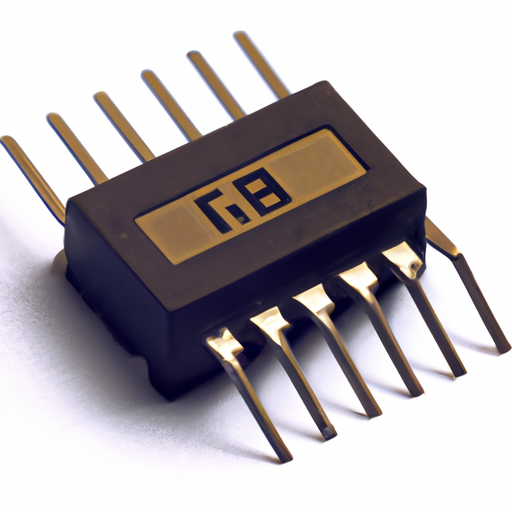
Chip inductors are passive electronic components that store energy in a magnetic field when electrical current flows through them. They are typically small, surface-mount devices (SMDs) that are widely used in various electronic circuits. Their compact size and efficiency make them ideal for modern electronic applications, where space and performance are critical.
Chip inductors play a vital role in filtering, energy storage, and signal processing within electronic circuits. They are essential in power supply circuits, radio frequency (RF) applications, and many other areas where inductance is required. Their ability to manage current and voltage fluctuations helps ensure the stability and reliability of electronic devices.
This article aims to provide a comprehensive overview of the parameters associated with mainstream chip inductor product series. By understanding these parameters, engineers and designers can make informed decisions when selecting chip inductors for their specific applications.
Inductance is the property of an electrical conductor that opposes changes in current. When current flows through a coil of wire, it generates a magnetic field around it. If the current changes, the magnetic field also changes, inducing a voltage in the opposite direction. This phenomenon is known as self-induction.
Inductors are used in various applications, including filtering, energy storage, and tuning circuits. They can smooth out voltage fluctuations, store energy for later use, and help in the selection of specific frequencies in RF applications.
Fixed inductors have a predetermined inductance value that cannot be adjusted. They are commonly used in applications where a specific inductance is required.
Variable inductors allow for the adjustment of inductance values. They are often used in tuning circuits, where precise control over inductance is necessary.
Specialty inductors are designed for specific applications, such as high-frequency or high-current environments. They may have unique characteristics that make them suitable for niche markets.
Inductance is measured in henries (H), with common subunits being millihenries (mH) and microhenries (µH). The inductance value indicates how much energy the inductor can store in its magnetic field.
Mainstream chip inductors typically range from a few nanohenries to several hundred microhenries, depending on the application. Designers must select inductance values that align with their circuit requirements.
The current rating of a chip inductor indicates the maximum amount of current it can handle without overheating or failing. Exceeding this rating can lead to performance degradation or damage.
Several factors influence the current rating, including the inductor's physical size, core material, and construction. Designers must consider these factors when selecting inductors for high-current applications.
DC resistance (DCR) is the resistance of the inductor when a direct current flows through it. It is an important parameter because it affects the efficiency of the inductor.
A lower DCR results in less power loss and heat generation, making the inductor more efficient. Designers should aim for inductors with low DCR values to enhance overall circuit performance.
The self-resonant frequency (SRF) is the frequency at which the inductor's reactance equals its resistance, causing it to resonate. Beyond this frequency, the inductor behaves more like a capacitor.
Understanding the SRF is crucial for high-frequency applications, as it determines the maximum frequency at which the inductor can operate effectively. Exceeding the SRF can lead to unwanted resonances and circuit instability.
The quality factor (Q) is a measure of the inductor's efficiency, defined as the ratio of its inductive reactance to its resistance at a specific frequency. A higher Q indicates better performance.
In high-frequency applications, a high Q factor is essential for minimizing losses and ensuring signal integrity. Designers should prioritize inductors with high Q values for RF and microwave circuits.
The temperature coefficient indicates how the inductance value changes with temperature. It is typically expressed in parts per million per degree Celsius (ppm/°C).
Understanding the temperature coefficient is crucial for applications exposed to varying environmental conditions. Designers must select inductors with suitable temperature coefficients to ensure consistent performance.
Chip inductors are widely used in power supply circuits to filter out noise and stabilize voltage levels. They help ensure that electronic devices receive clean and stable power.
In RF and microwave applications, chip inductors are used for tuning, filtering, and impedance matching. Their small size and high-frequency capabilities make them ideal for these applications.
Chip inductors are essential in filtering circuits, where they help remove unwanted frequencies and noise from signals. They are commonly used in audio and communication systems.
In automotive electronics, chip inductors are used in various applications, including power management, signal processing, and noise suppression. Their reliability and performance are critical in automotive environments.
Chip inductors are found in a wide range of consumer electronics, from smartphones to televisions. They help improve performance and efficiency in these devices.
The frequency range of the application is a critical factor in selecting chip inductors. Designers must ensure that the inductor's SRF and Q factor align with the operating frequency.
Understanding the load conditions, including current and voltage requirements, is essential for selecting the appropriate inductor. This ensures optimal performance and reliability.
Designers must consider the operating temperature range of the application. Selecting inductors with suitable temperature coefficients ensures consistent performance in varying conditions.
Environmental factors such as humidity and exposure to contaminants can affect inductor performance. Designers should choose inductors that can withstand the specific environmental conditions of their applications.
Chip inductors are available in various sizes and form factors, making them suitable for surface mount technology (SMT) applications. Designers must select inductors that fit within the available space on the PCB.
In many modern electronic devices, space is at a premium. Designers should prioritize compact inductors that meet performance requirements without compromising on size.
As electronic devices continue to shrink, the demand for smaller chip inductors has increased. Manufacturers are developing high-density packaging solutions to accommodate this trend.
Innovations in materials and manufacturing techniques are leading to improved performance and efficiency in chip inductors. New materials can enhance inductance values and reduce DCR.
There is a growing trend toward integrating chip inductors with other components, such as capacitors and resistors, to create compact, multifunctional devices. This integration can simplify circuit design and reduce space requirements.
The future of chip inductor design will likely focus on enhancing performance, reducing size, and improving reliability. Ongoing research and development will continue to drive innovation in this field.
Chip inductors are essential components in modern electronics, with various parameters that influence their performance. Understanding these parameters is crucial for selecting the right inductor for specific applications.
By grasping the key parameters of chip inductors, engineers and designers can make informed decisions that enhance the performance and reliability of their electronic devices.
As technology continues to evolve, further research and exploration into chip inductor technology will be essential. Staying informed about the latest trends and advancements will help designers create innovative and efficient electronic solutions.
- "Inductors and Transformers for Power Electronics" by John G. Kassakian
- "RF Circuit Design" by Christopher Bowick
- IPC-2221: Generic Standard on Printed Board Design
- IEC 60068: Environmental Testing
- Manufacturer datasheets for specific chip inductor products provide detailed specifications and performance characteristics.
This comprehensive overview of mainstream chip inductor product series parameters serves as a valuable resource for engineers and designers seeking to enhance their understanding of this critical electronic component.
Chip inductors are passive electronic components that store energy in a magnetic field when electrical current flows through them. They are typically small, surface-mount devices (SMDs) that are widely used in various electronic circuits. Their compact size and efficiency make them ideal for modern electronic applications, where space and performance are critical.
Chip inductors play a vital role in filtering, energy storage, and signal processing within electronic circuits. They are essential in power supply circuits, radio frequency (RF) applications, and many other areas where inductance is required. Their ability to manage current and voltage fluctuations helps ensure the stability and reliability of electronic devices.
This article aims to provide a comprehensive overview of the parameters associated with mainstream chip inductor product series. By understanding these parameters, engineers and designers can make informed decisions when selecting chip inductors for their specific applications.
Inductance is the property of an electrical conductor that opposes changes in current. When current flows through a coil of wire, it generates a magnetic field around it. If the current changes, the magnetic field also changes, inducing a voltage in the opposite direction. This phenomenon is known as self-induction.
Inductors are used in various applications, including filtering, energy storage, and tuning circuits. They can smooth out voltage fluctuations, store energy for later use, and help in the selection of specific frequencies in RF applications.
Fixed inductors have a predetermined inductance value that cannot be adjusted. They are commonly used in applications where a specific inductance is required.
Variable inductors allow for the adjustment of inductance values. They are often used in tuning circuits, where precise control over inductance is necessary.
Specialty inductors are designed for specific applications, such as high-frequency or high-current environments. They may have unique characteristics that make them suitable for niche markets.
Inductance is measured in henries (H), with common subunits being millihenries (mH) and microhenries (µH). The inductance value indicates how much energy the inductor can store in its magnetic field.
Mainstream chip inductors typically range from a few nanohenries to several hundred microhenries, depending on the application. Designers must select inductance values that align with their circuit requirements.
The current rating of a chip inductor indicates the maximum amount of current it can handle without overheating or failing. Exceeding this rating can lead to performance degradation or damage.
Several factors influence the current rating, including the inductor's physical size, core material, and construction. Designers must consider these factors when selecting inductors for high-current applications.
DC resistance (DCR) is the resistance of the inductor when a direct current flows through it. It is an important parameter because it affects the efficiency of the inductor.
A lower DCR results in less power loss and heat generation, making the inductor more efficient. Designers should aim for inductors with low DCR values to enhance overall circuit performance.
The self-resonant frequency (SRF) is the frequency at which the inductor's reactance equals its resistance, causing it to resonate. Beyond this frequency, the inductor behaves more like a capacitor.
Understanding the SRF is crucial for high-frequency applications, as it determines the maximum frequency at which the inductor can operate effectively. Exceeding the SRF can lead to unwanted resonances and circuit instability.
The quality factor (Q) is a measure of the inductor's efficiency, defined as the ratio of its inductive reactance to its resistance at a specific frequency. A higher Q indicates better performance.
In high-frequency applications, a high Q factor is essential for minimizing losses and ensuring signal integrity. Designers should prioritize inductors with high Q values for RF and microwave circuits.
The temperature coefficient indicates how the inductance value changes with temperature. It is typically expressed in parts per million per degree Celsius (ppm/°C).
Understanding the temperature coefficient is crucial for applications exposed to varying environmental conditions. Designers must select inductors with suitable temperature coefficients to ensure consistent performance.
Chip inductors are widely used in power supply circuits to filter out noise and stabilize voltage levels. They help ensure that electronic devices receive clean and stable power.
In RF and microwave applications, chip inductors are used for tuning, filtering, and impedance matching. Their small size and high-frequency capabilities make them ideal for these applications.
Chip inductors are essential in filtering circuits, where they help remove unwanted frequencies and noise from signals. They are commonly used in audio and communication systems.
In automotive electronics, chip inductors are used in various applications, including power management, signal processing, and noise suppression. Their reliability and performance are critical in automotive environments.
Chip inductors are found in a wide range of consumer electronics, from smartphones to televisions. They help improve performance and efficiency in these devices.
The frequency range of the application is a critical factor in selecting chip inductors. Designers must ensure that the inductor's SRF and Q factor align with the operating frequency.
Understanding the load conditions, including current and voltage requirements, is essential for selecting the appropriate inductor. This ensures optimal performance and reliability.
Designers must consider the operating temperature range of the application. Selecting inductors with suitable temperature coefficients ensures consistent performance in varying conditions.
Environmental factors such as humidity and exposure to contaminants can affect inductor performance. Designers should choose inductors that can withstand the specific environmental conditions of their applications.
Chip inductors are available in various sizes and form factors, making them suitable for surface mount technology (SMT) applications. Designers must select inductors that fit within the available space on the PCB.
In many modern electronic devices, space is at a premium. Designers should prioritize compact inductors that meet performance requirements without compromising on size.
As electronic devices continue to shrink, the demand for smaller chip inductors has increased. Manufacturers are developing high-density packaging solutions to accommodate this trend.
Innovations in materials and manufacturing techniques are leading to improved performance and efficiency in chip inductors. New materials can enhance inductance values and reduce DCR.
There is a growing trend toward integrating chip inductors with other components, such as capacitors and resistors, to create compact, multifunctional devices. This integration can simplify circuit design and reduce space requirements.
The future of chip inductor design will likely focus on enhancing performance, reducing size, and improving reliability. Ongoing research and development will continue to drive innovation in this field.
Chip inductors are essential components in modern electronics, with various parameters that influence their performance. Understanding these parameters is crucial for selecting the right inductor for specific applications.
By grasping the key parameters of chip inductors, engineers and designers can make informed decisions that enhance the performance and reliability of their electronic devices.
As technology continues to evolve, further research and exploration into chip inductor technology will be essential. Staying informed about the latest trends and advancements will help designers create innovative and efficient electronic solutions.
- "Inductors and Transformers for Power Electronics" by John G. Kassakian
- "RF Circuit Design" by Christopher Bowick
- IPC-2221: Generic Standard on Printed Board Design
- IEC 60068: Environmental Testing
- Manufacturer datasheets for specific chip inductor products provide detailed specifications and performance characteristics.
This comprehensive overview of mainstream chip inductor product series parameters serves as a valuable resource for engineers and designers seeking to enhance their understanding of this critical electronic component.