取消
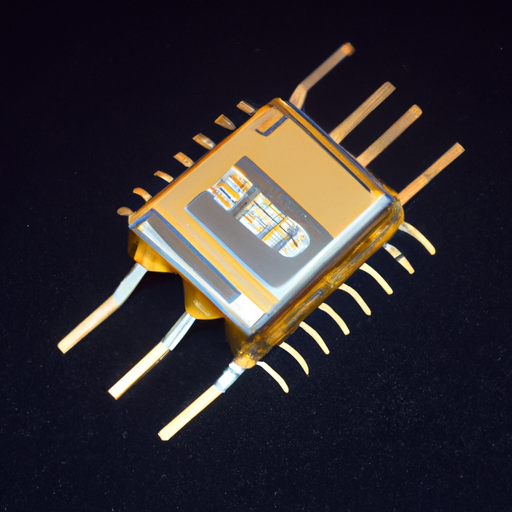
Chip inductors are passive electronic components that store energy in a magnetic field when electrical current flows through them. They are essential in various electronic circuits, serving functions such as filtering, energy storage, and signal processing. Unlike traditional inductors, chip inductors are compact and designed for surface mounting, making them ideal for modern electronic devices where space is at a premium.
The significance of chip inductors in electronics cannot be overstated. They play a crucial role in the performance and efficiency of devices ranging from smartphones to automotive systems. As technology advances, the demand for smaller, more efficient components has led to innovations in chip inductor design and manufacturing. Understanding the purchase price of these components is vital for manufacturers and engineers who need to budget for production costs and ensure the viability of their projects.
This article aims to explore the purchase price of the latest chip inductors, examining the factors that influence pricing, current market trends, and where to purchase these components. By providing a comprehensive overview, we hope to equip readers with the knowledge necessary to make informed purchasing decisions.
Chip inductors function by creating a magnetic field around a coil of wire when an electric current passes through it. This magnetic field can store energy, which can be released back into the circuit when needed. The inductance value, measured in henries (H), indicates how much energy the inductor can store.
There are several types of chip inductors, including:
Multilayer Inductors: These are made by stacking multiple layers of magnetic material and wire, offering high inductance in a small footprint.
Wirewound Inductors: These consist of a coil of wire wound around a core material, providing higher inductance values but typically at a larger size.
Thin-Film Inductors: These are created using thin-film technology, allowing for precise control over inductance values and smaller sizes.
Chip inductors are widely used in consumer electronics, including smartphones, tablets, and laptops. They help filter out noise and stabilize power supply circuits, ensuring optimal performance.
In the automotive sector, chip inductors are essential for various applications, including power management systems, infotainment systems, and advanced driver-assistance systems (ADAS). Their reliability and compact size make them ideal for modern vehicles.
Telecommunication devices rely on chip inductors for signal processing and filtering. They help maintain signal integrity and reduce interference, which is crucial for high-speed data transmission.
In industrial settings, chip inductors are used in power supplies, motor drives, and control systems. Their ability to handle high currents and voltages makes them suitable for demanding applications.
The core material of a chip inductor significantly affects its performance and price. Common materials include ferrite, iron powder, and ceramic. Higher-quality materials often lead to better performance but can increase costs.
The type of wire used in the inductor also impacts pricing. Copper is the most common choice due to its excellent conductivity, but alternatives like aluminum may be used in cost-sensitive applications.
The manufacturing process for chip inductors can vary widely, from traditional winding techniques to advanced multilayer fabrication. More complex production methods typically result in higher costs.
Stringent quality control measures are essential to ensure the reliability and performance of chip inductors. Manufacturers that invest in quality assurance may have higher prices due to the added costs of testing and certification.
The inductance value required for a specific application can influence pricing. Higher inductance values often require more material and complex designs, leading to increased costs.
Chip inductors must be rated for the current they will carry. Higher current ratings typically necessitate larger or more robust designs, which can also drive up prices.
The rapid growth of the electronics market, particularly in sectors like consumer electronics and automotive, has led to increased demand for chip inductors. This demand can drive prices up, especially for the latest technologies.
Recent global supply chain disruptions have affected the availability of raw materials and components, leading to price fluctuations. Manufacturers may face increased costs due to shortages, which can be passed on to consumers.
Recent advancements in chip inductor technology have focused on improving efficiency, reducing size, and enhancing performance. Innovations such as integrated inductors and the use of new materials are becoming more common, influencing pricing structures.
Over the past few years, the prices of chip inductors have experienced fluctuations due to varying demand and supply chain challenges. While some manufacturers have managed to keep prices stable, others have seen significant increases, particularly for high-performance models.
Prices for chip inductors can vary widely among manufacturers. Factors such as brand reputation, quality, and technological advancements contribute to these differences. It is essential for buyers to compare options to find the best value for their specific needs.
Manufacturer A is known for its high-performance multilayer inductors, which are widely used in consumer electronics. Their latest models feature advanced materials that enhance efficiency but come at a premium price.
Manufacturer B specializes in automotive-grade inductors, focusing on reliability and performance. Their latest offerings are competitively priced, reflecting their commitment to quality and innovation.
Manufacturer C offers a range of chip inductors for telecommunications applications. Their products are known for their cost-effectiveness, making them a popular choice among budget-conscious buyers.
When comparing the latest models from different manufacturers, it is crucial to consider specifications such as inductance values, current ratings, and physical dimensions. These factors can significantly impact pricing.
A detailed analysis of purchase prices reveals that while some manufacturers offer lower-cost options, others justify higher prices through superior performance and reliability. Buyers must weigh these factors against their specific application requirements.
Many online retailers specialize in electronic components, offering a wide selection of chip inductors. Websites like Digi-Key, Mouser, and Newark provide detailed specifications and competitive pricing.
Distributors and wholesalers often offer bulk purchasing options, which can lead to cost savings for manufacturers. Establishing relationships with these suppliers can also provide access to exclusive deals.
Purchasing directly from manufacturers can sometimes yield better pricing, especially for bulk orders. Many manufacturers have online platforms that facilitate direct sales.
When considering bulk purchases, buyers should evaluate factors such as lead times, shipping costs, and potential discounts. Negotiating with suppliers can also lead to better pricing arrangements.
Chip inductors are vital components in modern electronics, and their purchase prices are influenced by various factors, including material composition, manufacturing processes, and market demand. Understanding these elements is essential for making informed purchasing decisions.
As technology continues to evolve, the demand for advanced chip inductors is expected to grow. While prices may fluctuate due to supply chain issues and market trends, innovations in manufacturing and materials may lead to more cost-effective solutions in the future.
For manufacturers and engineers, understanding the pricing of chip inductors is crucial for budgeting and project planning. By staying informed about market trends and supplier options, buyers can make strategic decisions that enhance their product offerings and overall competitiveness in the electronics market.
- Journal of Electronic Materials
- IEEE Transactions on Components, Packaging and Manufacturing Technology
- Market Research Future: Chip Inductor Market Analysis
- Grand View Research: Inductor Market Insights
- Manufacturer A: [www.manufacturera.com](http://www.manufacturera.com)
- Manufacturer B: [www.manufacturerb.com](http://www.manufacturerb.com)
- Manufacturer C: [www.manufacturerc.com](http://www.manufacturerc.com)
- Electronics Weekly: Chip Inductor Pricing Trends
- TechCrunch: Innovations in Passive Components
This comprehensive overview of chip inductors and their pricing provides valuable insights for anyone involved in the electronics industry, from engineers to procurement specialists. Understanding the nuances of pricing can lead to better decision-making and ultimately contribute to the success of electronic projects.
Chip inductors are passive electronic components that store energy in a magnetic field when electrical current flows through them. They are essential in various electronic circuits, serving functions such as filtering, energy storage, and signal processing. Unlike traditional inductors, chip inductors are compact and designed for surface mounting, making them ideal for modern electronic devices where space is at a premium.
The significance of chip inductors in electronics cannot be overstated. They play a crucial role in the performance and efficiency of devices ranging from smartphones to automotive systems. As technology advances, the demand for smaller, more efficient components has led to innovations in chip inductor design and manufacturing. Understanding the purchase price of these components is vital for manufacturers and engineers who need to budget for production costs and ensure the viability of their projects.
This article aims to explore the purchase price of the latest chip inductors, examining the factors that influence pricing, current market trends, and where to purchase these components. By providing a comprehensive overview, we hope to equip readers with the knowledge necessary to make informed purchasing decisions.
Chip inductors function by creating a magnetic field around a coil of wire when an electric current passes through it. This magnetic field can store energy, which can be released back into the circuit when needed. The inductance value, measured in henries (H), indicates how much energy the inductor can store.
There are several types of chip inductors, including:
Multilayer Inductors: These are made by stacking multiple layers of magnetic material and wire, offering high inductance in a small footprint.
Wirewound Inductors: These consist of a coil of wire wound around a core material, providing higher inductance values but typically at a larger size.
Thin-Film Inductors: These are created using thin-film technology, allowing for precise control over inductance values and smaller sizes.
Chip inductors are widely used in consumer electronics, including smartphones, tablets, and laptops. They help filter out noise and stabilize power supply circuits, ensuring optimal performance.
In the automotive sector, chip inductors are essential for various applications, including power management systems, infotainment systems, and advanced driver-assistance systems (ADAS). Their reliability and compact size make them ideal for modern vehicles.
Telecommunication devices rely on chip inductors for signal processing and filtering. They help maintain signal integrity and reduce interference, which is crucial for high-speed data transmission.
In industrial settings, chip inductors are used in power supplies, motor drives, and control systems. Their ability to handle high currents and voltages makes them suitable for demanding applications.
The core material of a chip inductor significantly affects its performance and price. Common materials include ferrite, iron powder, and ceramic. Higher-quality materials often lead to better performance but can increase costs.
The type of wire used in the inductor also impacts pricing. Copper is the most common choice due to its excellent conductivity, but alternatives like aluminum may be used in cost-sensitive applications.
The manufacturing process for chip inductors can vary widely, from traditional winding techniques to advanced multilayer fabrication. More complex production methods typically result in higher costs.
Stringent quality control measures are essential to ensure the reliability and performance of chip inductors. Manufacturers that invest in quality assurance may have higher prices due to the added costs of testing and certification.
The inductance value required for a specific application can influence pricing. Higher inductance values often require more material and complex designs, leading to increased costs.
Chip inductors must be rated for the current they will carry. Higher current ratings typically necessitate larger or more robust designs, which can also drive up prices.
The rapid growth of the electronics market, particularly in sectors like consumer electronics and automotive, has led to increased demand for chip inductors. This demand can drive prices up, especially for the latest technologies.
Recent global supply chain disruptions have affected the availability of raw materials and components, leading to price fluctuations. Manufacturers may face increased costs due to shortages, which can be passed on to consumers.
Recent advancements in chip inductor technology have focused on improving efficiency, reducing size, and enhancing performance. Innovations such as integrated inductors and the use of new materials are becoming more common, influencing pricing structures.
Over the past few years, the prices of chip inductors have experienced fluctuations due to varying demand and supply chain challenges. While some manufacturers have managed to keep prices stable, others have seen significant increases, particularly for high-performance models.
Prices for chip inductors can vary widely among manufacturers. Factors such as brand reputation, quality, and technological advancements contribute to these differences. It is essential for buyers to compare options to find the best value for their specific needs.
Manufacturer A is known for its high-performance multilayer inductors, which are widely used in consumer electronics. Their latest models feature advanced materials that enhance efficiency but come at a premium price.
Manufacturer B specializes in automotive-grade inductors, focusing on reliability and performance. Their latest offerings are competitively priced, reflecting their commitment to quality and innovation.
Manufacturer C offers a range of chip inductors for telecommunications applications. Their products are known for their cost-effectiveness, making them a popular choice among budget-conscious buyers.
When comparing the latest models from different manufacturers, it is crucial to consider specifications such as inductance values, current ratings, and physical dimensions. These factors can significantly impact pricing.
A detailed analysis of purchase prices reveals that while some manufacturers offer lower-cost options, others justify higher prices through superior performance and reliability. Buyers must weigh these factors against their specific application requirements.
Many online retailers specialize in electronic components, offering a wide selection of chip inductors. Websites like Digi-Key, Mouser, and Newark provide detailed specifications and competitive pricing.
Distributors and wholesalers often offer bulk purchasing options, which can lead to cost savings for manufacturers. Establishing relationships with these suppliers can also provide access to exclusive deals.
Purchasing directly from manufacturers can sometimes yield better pricing, especially for bulk orders. Many manufacturers have online platforms that facilitate direct sales.
When considering bulk purchases, buyers should evaluate factors such as lead times, shipping costs, and potential discounts. Negotiating with suppliers can also lead to better pricing arrangements.
Chip inductors are vital components in modern electronics, and their purchase prices are influenced by various factors, including material composition, manufacturing processes, and market demand. Understanding these elements is essential for making informed purchasing decisions.
As technology continues to evolve, the demand for advanced chip inductors is expected to grow. While prices may fluctuate due to supply chain issues and market trends, innovations in manufacturing and materials may lead to more cost-effective solutions in the future.
For manufacturers and engineers, understanding the pricing of chip inductors is crucial for budgeting and project planning. By staying informed about market trends and supplier options, buyers can make strategic decisions that enhance their product offerings and overall competitiveness in the electronics market.
- Journal of Electronic Materials
- IEEE Transactions on Components, Packaging and Manufacturing Technology
- Market Research Future: Chip Inductor Market Analysis
- Grand View Research: Inductor Market Insights
- Manufacturer A: [www.manufacturera.com](http://www.manufacturera.com)
- Manufacturer B: [www.manufacturerb.com](http://www.manufacturerb.com)
- Manufacturer C: [www.manufacturerc.com](http://www.manufacturerc.com)
- Electronics Weekly: Chip Inductor Pricing Trends
- TechCrunch: Innovations in Passive Components
This comprehensive overview of chip inductors and their pricing provides valuable insights for anyone involved in the electronics industry, from engineers to procurement specialists. Understanding the nuances of pricing can lead to better decision-making and ultimately contribute to the success of electronic projects.