取消
Inductors are fundamental components in electronic circuits, playing a crucial role in energy storage, filtering, and signal processing. As passive components, they store energy in a magnetic field when electrical current flows through them. The importance of inductors cannot be overstated, as they are integral to the functioning of various devices, from power supplies to radio frequency applications. Given their significance, product standards for inductors are essential to ensure quality, reliability, and safety in electronic devices. This blog post will explore the principles of inductors, the importance of product standards, key standards organizations, testing methods, challenges in compliance, and future trends in inductor standards.
Inductance is defined as the property of an electrical conductor that opposes a change in current. When current flows through a coil of wire, it generates a magnetic field around it. This magnetic field can induce a voltage in the coil itself or in nearby conductors, a phenomenon known as electromagnetic induction. The ability of an inductor to store energy in this magnetic field is what makes it a vital component in many electronic applications.
Inductors come in various types, each suited for specific applications:
1. **Air-core inductors**: These inductors do not use a magnetic core, relying solely on the air surrounding the coil to create inductance. They are often used in high-frequency applications due to their low losses.
2. **Iron-core inductors**: These inductors use an iron core to increase inductance. The iron core enhances the magnetic field, making them suitable for low-frequency applications.
3. **Ferrite-core inductors**: Ferrite cores are made from a ceramic material that is magnetically conductive. These inductors are commonly used in high-frequency applications, such as in power supplies and RF circuits.
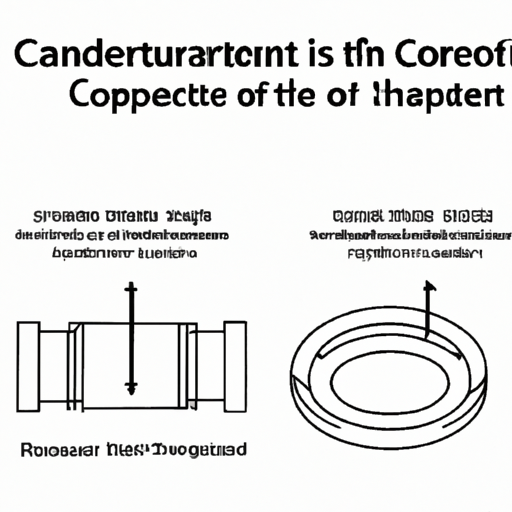
4. **Toroidal inductors**: These inductors have a doughnut-shaped core, which minimizes electromagnetic interference and improves efficiency. They are often used in power applications.
Inductors are used across a wide range of industries, including telecommunications, automotive, consumer electronics, and renewable energy. They are essential in power supplies, filters, transformers, and energy storage systems, demonstrating their versatility and importance in modern technology.
Product standards for inductors help ensure that these components meet specific quality and performance criteria. By adhering to established standards, manufacturers can produce inductors that are reliable and consistent, reducing the risk of failure in electronic devices.
Standardization plays a crucial role in facilitating international trade. When inductors are manufactured according to recognized standards, they can be more easily accepted in global markets. This reduces barriers to trade and fosters competition, ultimately benefiting consumers.
Product standards also enhance the safety and performance of inductors. By following established guidelines, manufacturers can minimize risks associated with electrical components, such as overheating or failure, which can lead to hazardous situations.
Many industries are subject to regulatory requirements that mandate compliance with specific standards. Adhering to product standards for inductors ensures that manufacturers meet these legal obligations, avoiding potential penalties and ensuring market access.
The IEC develops international standards for electrical and electronic technologies. Several IEC standards are relevant to inductors, including:
1. **IEC 60076**: This standard covers power transformers, which often incorporate inductors in their design.
2. **IEC 61558**: This standard pertains to safety requirements for transformers, reactors, and power supply units, ensuring that inductors used in these applications meet safety criteria.
The IEEE is a leading organization in the development of standards for electrical and electronic systems. Relevant IEEE standards for inductors include:
1. **IEEE 802.3**: This standard addresses Ethernet networking, which often relies on inductors for signal integrity and power delivery.
2. **IEEE 1149.1**: This standard, known as the Joint Test Action Group (JTAG) standard, includes guidelines for testing and debugging electronic systems, including those with inductors.
ANSI oversees the development of standards for various industries in the United States. Key ANSI standards for inductors include:
1. **ANSI C63.4**: This standard outlines methods for measuring the electromagnetic compatibility of electrical devices, including inductors.
2. **ANSI/IEEE C57.12.00**: This standard covers general requirements for liquid-immersed distribution, power, and regulating transformers, which may include inductors.
1. **Underwriters Laboratories (UL)**: UL develops safety standards for electrical components, including inductors, ensuring they meet safety requirements for consumer products.
2. **European Committee for Electrotechnical Standardization (CENELEC)**: CENELEC develops European standards for electrical and electronic products, including inductors, promoting safety and interoperability across the EU.
To ensure compliance with product standards, inductors undergo various testing methods:
1. **Inductance measurement**: This test measures the inductance value of the inductor, ensuring it meets specified tolerances.
2. **DC resistance measurement**: This test evaluates the resistance of the inductor's winding, which affects its efficiency and performance.
3. **Saturation current testing**: This test determines the maximum current the inductor can handle before its inductance begins to decrease significantly.
Inductors must also undergo environmental testing to ensure they can withstand various conditions:
1. **Temperature and humidity testing**: This testing evaluates the inductor's performance under extreme temperature and humidity conditions.
2. **Vibration and shock testing**: This testing assesses the inductor's durability and reliability in applications subject to mechanical stress.
Compliance testing ensures that inductors meet regulatory requirements, such as:
1. **RoHS compliance**: This testing verifies that inductors do not contain hazardous substances, in line with the Restriction of Hazardous Substances Directive.
2. **REACH compliance**: This testing ensures that inductors meet the Registration, Evaluation, Authorisation, and Restriction of Chemicals regulations in the EU.
Manufacturers may face challenges in maintaining consistency in their production processes, leading to variability in the quality of inductors. This variability can make it difficult to meet established standards.
As technology advances, product standards must evolve to accommodate new materials and designs. Manufacturers must stay informed about these changes to ensure compliance.
Meeting product standards can involve significant costs, including testing, certification, and potential redesigns. Manufacturers must balance compliance with cost-effectiveness to remain competitive.
Emerging technologies, such as electric vehicles and renewable energy systems, are driving changes in inductor design and application. Standards will need to adapt to accommodate these advancements.
As new materials and designs are developed, standards will evolve to ensure they are safe and effective. This evolution will require collaboration between manufacturers, standards organizations, and regulatory bodies.
Sustainability is becoming increasingly important in product standards. Future standards for inductors may focus on reducing environmental impact, promoting the use of recyclable materials, and minimizing energy consumption.
Product standards for inductors are essential for ensuring quality, reliability, and safety in electronic devices. As technology continues to evolve, the importance of compliance with these standards will only grow. Manufacturers must remain vigilant in their efforts to meet established guidelines while adapting to new challenges and opportunities. The future of inductor standards will likely be shaped by emerging technologies and a growing emphasis on sustainability, ensuring that inductors continue to play a vital role in the electronics industry.
1. International Electrotechnical Commission (IEC) Standards
2. Institute of Electrical and Electronics Engineers (IEEE) Standards
3. American National Standards Institute (ANSI) Standards
4. Underwriters Laboratories (UL) Standards
5. European Committee for Electrotechnical Standardization (CENELEC) Standards
6. Academic and industry publications on inductors and standards
7. Websites of standards organizations and regulatory bodies
This blog post provides a comprehensive overview of the product standards for inductors, highlighting their principles, importance, key standards, testing methods, challenges, and future trends. By understanding these aspects, manufacturers and consumers can better appreciate the role of inductors in modern electronics.
Inductors are fundamental components in electronic circuits, playing a crucial role in energy storage, filtering, and signal processing. As passive components, they store energy in a magnetic field when electrical current flows through them. The importance of inductors cannot be overstated, as they are integral to the functioning of various devices, from power supplies to radio frequency applications. Given their significance, product standards for inductors are essential to ensure quality, reliability, and safety in electronic devices. This blog post will explore the principles of inductors, the importance of product standards, key standards organizations, testing methods, challenges in compliance, and future trends in inductor standards.
Inductance is defined as the property of an electrical conductor that opposes a change in current. When current flows through a coil of wire, it generates a magnetic field around it. This magnetic field can induce a voltage in the coil itself or in nearby conductors, a phenomenon known as electromagnetic induction. The ability of an inductor to store energy in this magnetic field is what makes it a vital component in many electronic applications.
Inductors come in various types, each suited for specific applications:
1. **Air-core inductors**: These inductors do not use a magnetic core, relying solely on the air surrounding the coil to create inductance. They are often used in high-frequency applications due to their low losses.
2. **Iron-core inductors**: These inductors use an iron core to increase inductance. The iron core enhances the magnetic field, making them suitable for low-frequency applications.
3. **Ferrite-core inductors**: Ferrite cores are made from a ceramic material that is magnetically conductive. These inductors are commonly used in high-frequency applications, such as in power supplies and RF circuits.
4. **Toroidal inductors**: These inductors have a doughnut-shaped core, which minimizes electromagnetic interference and improves efficiency. They are often used in power applications.
Inductors are used across a wide range of industries, including telecommunications, automotive, consumer electronics, and renewable energy. They are essential in power supplies, filters, transformers, and energy storage systems, demonstrating their versatility and importance in modern technology.
Product standards for inductors help ensure that these components meet specific quality and performance criteria. By adhering to established standards, manufacturers can produce inductors that are reliable and consistent, reducing the risk of failure in electronic devices.
Standardization plays a crucial role in facilitating international trade. When inductors are manufactured according to recognized standards, they can be more easily accepted in global markets. This reduces barriers to trade and fosters competition, ultimately benefiting consumers.
Product standards also enhance the safety and performance of inductors. By following established guidelines, manufacturers can minimize risks associated with electrical components, such as overheating or failure, which can lead to hazardous situations.
Many industries are subject to regulatory requirements that mandate compliance with specific standards. Adhering to product standards for inductors ensures that manufacturers meet these legal obligations, avoiding potential penalties and ensuring market access.
The IEC develops international standards for electrical and electronic technologies. Several IEC standards are relevant to inductors, including:
1. **IEC 60076**: This standard covers power transformers, which often incorporate inductors in their design.
2. **IEC 61558**: This standard pertains to safety requirements for transformers, reactors, and power supply units, ensuring that inductors used in these applications meet safety criteria.
The IEEE is a leading organization in the development of standards for electrical and electronic systems. Relevant IEEE standards for inductors include:
1. **IEEE 802.3**: This standard addresses Ethernet networking, which often relies on inductors for signal integrity and power delivery.
2. **IEEE 1149.1**: This standard, known as the Joint Test Action Group (JTAG) standard, includes guidelines for testing and debugging electronic systems, including those with inductors.
ANSI oversees the development of standards for various industries in the United States. Key ANSI standards for inductors include:
1. **ANSI C63.4**: This standard outlines methods for measuring the electromagnetic compatibility of electrical devices, including inductors.
2. **ANSI/IEEE C57.12.00**: This standard covers general requirements for liquid-immersed distribution, power, and regulating transformers, which may include inductors.
1. **Underwriters Laboratories (UL)**: UL develops safety standards for electrical components, including inductors, ensuring they meet safety requirements for consumer products.
2. **European Committee for Electrotechnical Standardization (CENELEC)**: CENELEC develops European standards for electrical and electronic products, including inductors, promoting safety and interoperability across the EU.
To ensure compliance with product standards, inductors undergo various testing methods:
1. **Inductance measurement**: This test measures the inductance value of the inductor, ensuring it meets specified tolerances.
2. **DC resistance measurement**: This test evaluates the resistance of the inductor's winding, which affects its efficiency and performance.
3. **Saturation current testing**: This test determines the maximum current the inductor can handle before its inductance begins to decrease significantly.
Inductors must also undergo environmental testing to ensure they can withstand various conditions:
1. **Temperature and humidity testing**: This testing evaluates the inductor's performance under extreme temperature and humidity conditions.
2. **Vibration and shock testing**: This testing assesses the inductor's durability and reliability in applications subject to mechanical stress.
Compliance testing ensures that inductors meet regulatory requirements, such as:
1. **RoHS compliance**: This testing verifies that inductors do not contain hazardous substances, in line with the Restriction of Hazardous Substances Directive.
2. **REACH compliance**: This testing ensures that inductors meet the Registration, Evaluation, Authorisation, and Restriction of Chemicals regulations in the EU.
Manufacturers may face challenges in maintaining consistency in their production processes, leading to variability in the quality of inductors. This variability can make it difficult to meet established standards.
As technology advances, product standards must evolve to accommodate new materials and designs. Manufacturers must stay informed about these changes to ensure compliance.
Meeting product standards can involve significant costs, including testing, certification, and potential redesigns. Manufacturers must balance compliance with cost-effectiveness to remain competitive.
Emerging technologies, such as electric vehicles and renewable energy systems, are driving changes in inductor design and application. Standards will need to adapt to accommodate these advancements.
As new materials and designs are developed, standards will evolve to ensure they are safe and effective. This evolution will require collaboration between manufacturers, standards organizations, and regulatory bodies.
Sustainability is becoming increasingly important in product standards. Future standards for inductors may focus on reducing environmental impact, promoting the use of recyclable materials, and minimizing energy consumption.
Product standards for inductors are essential for ensuring quality, reliability, and safety in electronic devices. As technology continues to evolve, the importance of compliance with these standards will only grow. Manufacturers must remain vigilant in their efforts to meet established guidelines while adapting to new challenges and opportunities. The future of inductor standards will likely be shaped by emerging technologies and a growing emphasis on sustainability, ensuring that inductors continue to play a vital role in the electronics industry.
1. International Electrotechnical Commission (IEC) Standards
2. Institute of Electrical and Electronics Engineers (IEEE) Standards
3. American National Standards Institute (ANSI) Standards
4. Underwriters Laboratories (UL) Standards
5. European Committee for Electrotechnical Standardization (CENELEC) Standards
6. Academic and industry publications on inductors and standards
7. Websites of standards organizations and regulatory bodies
This blog post provides a comprehensive overview of the product standards for inductors, highlighting their principles, importance, key standards, testing methods, challenges, and future trends. By understanding these aspects, manufacturers and consumers can better appreciate the role of inductors in modern electronics.