取消
Inductors are fundamental components in electrical engineering, playing a crucial role in various circuits and applications. Defined as passive electrical devices that store energy in a magnetic field when electric current flows through them, inductors are essential for managing electrical energy in both AC and DC circuits. This blog post will explore the principles of inductance, the different types of inductors, popular models, their applications, and how to select the right inductor for your needs.
1. **Definition of Inductance**: Inductance is the property of an electrical conductor that opposes a change in current. It is measured in henries (H) and is defined as the ratio of the induced electromotive force (EMF) to the rate of change of current.
2. **Faraday's Law of Electromagnetic Induction**: This law states that a change in magnetic flux through a circuit induces an electromotive force in that circuit. This principle is the foundation of how inductors operate, as the current flowing through the inductor creates a magnetic field that can induce voltage.
1. **Core Materials**: Inductors can be made with various core materials, including air, ferrite, and iron. The choice of core material affects the inductor's inductance, efficiency, and frequency response.
2. **Wire Types and Configurations**: The wire used in inductors can vary in gauge and material, with copper being the most common due to its excellent conductivity. The configuration of the wire, such as the number of turns and the shape of the coil, also influences the inductor's performance.
1. **Impedance in AC Circuits**: In alternating current (AC) circuits, inductors present impedance, which is a combination of resistance and reactance. The impedance increases with frequency, making inductors useful for filtering and tuning applications.
2. **Current Behavior in DC Circuits**: In direct current (DC) circuits, inductors initially resist changes in current but eventually allow it to pass through once a steady state is reached. This property makes inductors valuable for energy storage and smoothing out current fluctuations.
Air core inductors are made without a magnetic core, relying solely on the air surrounding the coil to store energy. They are characterized by low inductance values and are often used in high-frequency applications due to their minimal losses.
Iron core inductors use iron as the core material, which increases the inductance by concentrating the magnetic field. They are commonly used in power applications due to their ability to handle higher currents and voltages.
Ferrite core inductors utilize ferrite materials, which are ceramic compounds that exhibit magnetic properties. These inductors are ideal for high-frequency applications, such as RF circuits, due to their low core losses.
Toroidal inductors are wound in a doughnut-shaped core, which helps to contain the magnetic field and reduce electromagnetic interference. They are efficient and compact, making them suitable for various applications, including power supplies and audio equipment.
Variable inductors allow for adjustable inductance values, making them useful in tuning circuits and applications where precise control of inductance is required.
Chokes are a type of inductor specifically designed to block high-frequency AC signals while allowing DC or low-frequency signals to pass. They are commonly used in power supply circuits and signal processing.
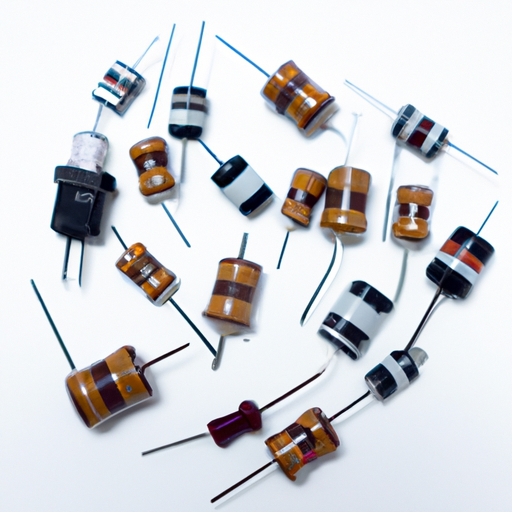
1. **Overview of Common Models**: Fixed inductors come in various shapes and sizes, with common models including axial lead inductors and surface mount inductors. They are widely used in power supply circuits, filters, and oscillators.
2. **Applications in Various Circuits**: Fixed inductors are essential in applications such as energy storage, filtering noise in power supplies, and tuning circuits in radios.
1. **Overview of Common Models**: Variable inductors, such as trimmer inductors and variable air core inductors, allow users to adjust the inductance value. They are often used in radio frequency applications and tuning circuits.
2. **Applications in Tuning Circuits**: These inductors are crucial in applications where precise tuning is necessary, such as in radio transmitters and receivers.
1. **RF Inductors**: Designed for radio frequency applications, RF inductors are optimized for high-frequency performance and low losses.
2. **Power Inductors**: These inductors are built to handle high currents and are commonly used in power supply circuits and energy storage applications.
3. **High-Frequency Inductors**: High-frequency inductors are designed to operate efficiently at elevated frequencies, making them suitable for applications in telecommunications and signal processing.
Inductors play a vital role in power supply circuits by filtering out noise and storing energy. They help smooth out voltage fluctuations, ensuring a stable power supply for electronic devices.
In RF applications, inductors are used in oscillators and filters to select specific frequencies and eliminate unwanted signals. They are essential components in communication systems, enabling clear signal transmission.
Inductors are integral to audio and communication systems, where they help filter and process signals. They can enhance sound quality in audio equipment and improve signal integrity in communication devices.
Inductors are increasingly used in renewable energy applications, such as solar inverters and wind turbines, where they store energy and help manage power flow.
1. **Inductance Value**: The inductance value is crucial for determining how the inductor will behave in a circuit. It should match the requirements of the application.
2. **Current Rating**: The current rating indicates the maximum current the inductor can handle without overheating. Selecting an inductor with an appropriate current rating is essential for reliability.
3. **DC Resistance**: Lower DC resistance in an inductor leads to higher efficiency and less power loss. It is an important factor to consider, especially in power applications.
4. **Frequency Response**: The frequency response of an inductor affects its performance in AC applications. Understanding the operating frequency range is vital for selecting the right inductor.
1. **Size and Form Factor**: The physical size and shape of the inductor may be critical in applications with space constraints. Surface mount inductors are often preferred in compact designs.
2. **Environmental Factors**: Consideration of environmental factors such as temperature and humidity is essential, as these can affect the performance and longevity of the inductor.
Inductors are indispensable components in electrical engineering, serving various functions in circuits ranging from energy storage to signal processing. Understanding the principles of inductance, the different types of inductors, and their applications is crucial for anyone working with electronic devices. As technology advances, the demand for more efficient and compact inductors will continue to grow, paving the way for innovations in this field. For those interested in delving deeper into the world of inductors, further exploration and study are encouraged.
A. Suggested readings and resources for further learning include textbooks on electrical engineering, online courses, and industry publications.
B. Industry standards and guidelines for inductors can be found through organizations such as the Institute of Electrical and Electronics Engineers (IEEE) and the International Electrotechnical Commission (IEC).
Inductors are fundamental components in electrical engineering, playing a crucial role in various circuits and applications. Defined as passive electrical devices that store energy in a magnetic field when electric current flows through them, inductors are essential for managing electrical energy in both AC and DC circuits. This blog post will explore the principles of inductance, the different types of inductors, popular models, their applications, and how to select the right inductor for your needs.
1. **Definition of Inductance**: Inductance is the property of an electrical conductor that opposes a change in current. It is measured in henries (H) and is defined as the ratio of the induced electromotive force (EMF) to the rate of change of current.
2. **Faraday's Law of Electromagnetic Induction**: This law states that a change in magnetic flux through a circuit induces an electromotive force in that circuit. This principle is the foundation of how inductors operate, as the current flowing through the inductor creates a magnetic field that can induce voltage.
1. **Core Materials**: Inductors can be made with various core materials, including air, ferrite, and iron. The choice of core material affects the inductor's inductance, efficiency, and frequency response.
2. **Wire Types and Configurations**: The wire used in inductors can vary in gauge and material, with copper being the most common due to its excellent conductivity. The configuration of the wire, such as the number of turns and the shape of the coil, also influences the inductor's performance.
1. **Impedance in AC Circuits**: In alternating current (AC) circuits, inductors present impedance, which is a combination of resistance and reactance. The impedance increases with frequency, making inductors useful for filtering and tuning applications.
2. **Current Behavior in DC Circuits**: In direct current (DC) circuits, inductors initially resist changes in current but eventually allow it to pass through once a steady state is reached. This property makes inductors valuable for energy storage and smoothing out current fluctuations.
Air core inductors are made without a magnetic core, relying solely on the air surrounding the coil to store energy. They are characterized by low inductance values and are often used in high-frequency applications due to their minimal losses.
Iron core inductors use iron as the core material, which increases the inductance by concentrating the magnetic field. They are commonly used in power applications due to their ability to handle higher currents and voltages.
Ferrite core inductors utilize ferrite materials, which are ceramic compounds that exhibit magnetic properties. These inductors are ideal for high-frequency applications, such as RF circuits, due to their low core losses.
Toroidal inductors are wound in a doughnut-shaped core, which helps to contain the magnetic field and reduce electromagnetic interference. They are efficient and compact, making them suitable for various applications, including power supplies and audio equipment.
Variable inductors allow for adjustable inductance values, making them useful in tuning circuits and applications where precise control of inductance is required.
Chokes are a type of inductor specifically designed to block high-frequency AC signals while allowing DC or low-frequency signals to pass. They are commonly used in power supply circuits and signal processing.
1. **Overview of Common Models**: Fixed inductors come in various shapes and sizes, with common models including axial lead inductors and surface mount inductors. They are widely used in power supply circuits, filters, and oscillators.
2. **Applications in Various Circuits**: Fixed inductors are essential in applications such as energy storage, filtering noise in power supplies, and tuning circuits in radios.
1. **Overview of Common Models**: Variable inductors, such as trimmer inductors and variable air core inductors, allow users to adjust the inductance value. They are often used in radio frequency applications and tuning circuits.
2. **Applications in Tuning Circuits**: These inductors are crucial in applications where precise tuning is necessary, such as in radio transmitters and receivers.
1. **RF Inductors**: Designed for radio frequency applications, RF inductors are optimized for high-frequency performance and low losses.
2. **Power Inductors**: These inductors are built to handle high currents and are commonly used in power supply circuits and energy storage applications.
3. **High-Frequency Inductors**: High-frequency inductors are designed to operate efficiently at elevated frequencies, making them suitable for applications in telecommunications and signal processing.
Inductors play a vital role in power supply circuits by filtering out noise and storing energy. They help smooth out voltage fluctuations, ensuring a stable power supply for electronic devices.
In RF applications, inductors are used in oscillators and filters to select specific frequencies and eliminate unwanted signals. They are essential components in communication systems, enabling clear signal transmission.
Inductors are integral to audio and communication systems, where they help filter and process signals. They can enhance sound quality in audio equipment and improve signal integrity in communication devices.
Inductors are increasingly used in renewable energy applications, such as solar inverters and wind turbines, where they store energy and help manage power flow.
1. **Inductance Value**: The inductance value is crucial for determining how the inductor will behave in a circuit. It should match the requirements of the application.
2. **Current Rating**: The current rating indicates the maximum current the inductor can handle without overheating. Selecting an inductor with an appropriate current rating is essential for reliability.
3. **DC Resistance**: Lower DC resistance in an inductor leads to higher efficiency and less power loss. It is an important factor to consider, especially in power applications.
4. **Frequency Response**: The frequency response of an inductor affects its performance in AC applications. Understanding the operating frequency range is vital for selecting the right inductor.
1. **Size and Form Factor**: The physical size and shape of the inductor may be critical in applications with space constraints. Surface mount inductors are often preferred in compact designs.
2. **Environmental Factors**: Consideration of environmental factors such as temperature and humidity is essential, as these can affect the performance and longevity of the inductor.
Inductors are indispensable components in electrical engineering, serving various functions in circuits ranging from energy storage to signal processing. Understanding the principles of inductance, the different types of inductors, and their applications is crucial for anyone working with electronic devices. As technology advances, the demand for more efficient and compact inductors will continue to grow, paving the way for innovations in this field. For those interested in delving deeper into the world of inductors, further exploration and study are encouraged.
A. Suggested readings and resources for further learning include textbooks on electrical engineering, online courses, and industry publications.
B. Industry standards and guidelines for inductors can be found through organizations such as the Institute of Electrical and Electronics Engineers (IEEE) and the International Electrotechnical Commission (IEC).