取消
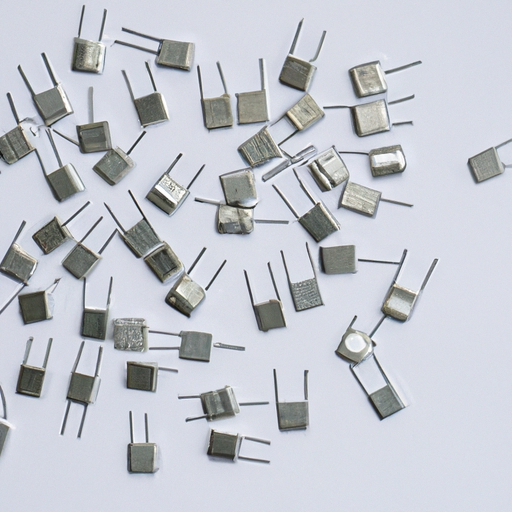
Fuse resistors are specialized components that combine the functions of a resistor and a fuse. They are designed to limit current in electrical circuits while providing overcurrent protection. When the current exceeds a predetermined threshold, the fuse resistor will "blow," effectively interrupting the circuit and preventing damage to other components. This dual functionality makes fuse resistors essential in various applications, including power supplies, automotive systems, and consumer electronics.
Product standards are critical in ensuring the safety, reliability, and performance of electrical components. For fuse resistors, adherence to established standards helps manufacturers produce high-quality products that meet the necessary safety and performance criteria. Compliance with these standards not only protects consumers but also enhances the credibility of manufacturers in the marketplace.
This article will explore the product standards for fuse resistors, including their functions, types, key regulatory bodies, and the importance of compliance. We will also discuss testing and certification processes, quality assurance, challenges in standardization, and future trends in the industry.
Fuse resistors play a crucial role in electrical circuits by limiting the amount of current that can flow through them. This function is vital in preventing overheating and potential damage to sensitive components. By integrating the properties of a fuse and a resistor, these components provide a compact solution for circuit protection.
The protection mechanism of fuse resistors is straightforward. When the current flowing through the resistor exceeds its rated capacity, the heat generated causes the resistor to fail, effectively opening the circuit. This action prevents further current flow, protecting downstream components from damage.
Wirewound fuse resistors are constructed using a wire wound around a ceramic or insulating core. They offer high precision and stability, making them suitable for applications requiring accurate resistance values. However, they may have slower response times compared to other types.
Thick film fuse resistors are made by applying a thick layer of resistive material onto a substrate. They are known for their compact size and are commonly used in surface-mount technology (SMT) applications. Their response time is generally faster than wirewound types.
Thin film fuse resistors are created using a thin layer of resistive material deposited on a substrate. They provide excellent performance in terms of precision and stability, making them ideal for high-frequency applications. Their compact size also allows for integration into smaller electronic devices.
The IEC is a global organization that develops and publishes international standards for electrical and electronic technologies. Their standards ensure safety, efficiency, and interoperability of electrical components.
UL is a safety certification organization that tests and certifies products for safety and performance. Their standards are widely recognized in North America and are crucial for manufacturers seeking to enter the market.
ANSI oversees the development of voluntary consensus standards for products, services, and systems in the United States. Their standards help ensure quality and safety in various industries.
CENELEC is responsible for standardization in the electrotechnical field in Europe. Their standards facilitate the free movement of goods and services within the European market.
Compliance with product standards is essential for manufacturers to ensure the safety and reliability of their fuse resistors. Meeting these standards not only protects consumers but also enhances the manufacturer's reputation and marketability. Additionally, compliance can reduce liability risks and improve product performance.
IEC 60115 outlines the requirements for fixed resistors, including fuse resistors. It covers aspects such as electrical characteristics, mechanical properties, and environmental conditions.
IEC 60216 provides guidelines for the thermal endurance of electrical insulating materials, which is crucial for ensuring the reliability of fuse resistors under varying temperature conditions.
UL 1412 specifically addresses the safety and performance requirements for fuse resistors. Compliance with this standard is essential for manufacturers seeking UL certification for their products.
UL 94 evaluates the flammability of plastic materials used in electrical components, including fuse resistors. This standard is vital for ensuring the safety of products in case of overheating or electrical failure.
ANSI C63.4 provides guidelines for measuring electromagnetic interference (EMI) in electrical devices. Compliance with this standard is important for ensuring that fuse resistors do not contribute to EMI issues in electronic systems.
EN 60115 is the European equivalent of IEC 60115, providing similar requirements for fixed resistors, including fuse resistors, ensuring their safety and performance in electronic applications.
Electrical testing involves measuring the resistance, voltage, and current characteristics of fuse resistors to ensure they meet specified standards. This testing is crucial for verifying the performance of the components.
Thermal testing evaluates the performance of fuse resistors under varying temperature conditions. This testing helps ensure that the components can withstand the heat generated during operation without failure.
Mechanical testing assesses the physical durability of fuse resistors, including their resistance to vibration, shock, and other mechanical stresses. This testing is essential for ensuring the reliability of the components in real-world applications.
Third-party testing labs play a crucial role in the certification process by conducting independent evaluations of fuse resistors. Their assessments help ensure that products meet the necessary safety and performance standards.
Traceability and documentation are vital in the certification process. Manufacturers must maintain detailed records of testing procedures, results, and compliance with standards to demonstrate the quality and reliability of their products.
Quality control is essential in the manufacturing process of fuse resistors. Implementing strict quality assurance measures helps ensure that products meet the required standards and perform reliably in their intended applications.
Life cycle testing evaluates the long-term performance of fuse resistors under various operating conditions. This testing helps identify potential failure modes and ensures that products can withstand the rigors of their intended use.
Environmental testing assesses the performance of fuse resistors under different environmental conditions, such as humidity, temperature fluctuations, and exposure to chemicals. This testing is crucial for ensuring the reliability of components in diverse applications.
The quality of fuse resistors directly impacts their performance and reliability. High-quality components are less likely to fail, providing better protection for electrical circuits and enhancing the overall safety of electronic systems.
One of the significant challenges in compliance is the variability of standards across different regions. Manufacturers must navigate these differences to ensure their products meet the requirements of various markets.
As technology advances, standards must evolve to keep pace with new developments. Manufacturers must stay informed about changes in regulations and standards to ensure ongoing compliance.
Compliance with product standards can involve significant costs for manufacturers, including testing, certification, and quality control measures. Balancing these costs with the need for high-quality products can be challenging.
The future of fuse resistors is likely to be shaped by innovations in materials and manufacturing processes. Advances in technology may lead to the development of more efficient and reliable fuse resistors.
As the industry evolves, regulatory standards will likely change to address new technologies and safety concerns. Manufacturers must remain adaptable to these changes to ensure compliance.
Sustainability is becoming increasingly important in product development. Future standards for fuse resistors may incorporate environmental considerations, encouraging manufacturers to adopt eco-friendly practices.
Product standards play a vital role in ensuring the safety, reliability, and performance of fuse resistors. Compliance with these standards protects consumers and enhances the credibility of manufacturers.
Manufacturers must prioritize compliance with established standards and implement robust quality control measures to ensure the reliability of their products. This commitment to quality will ultimately benefit both manufacturers and consumers.
Manufacturers and engineers should stay informed about the latest standards and best practices in the industry. By prioritizing compliance and quality, they can contribute to the development of safe and reliable fuse resistors that meet the needs of modern electrical systems.
1. International Electrotechnical Commission (IEC)
2. Underwriters Laboratories (UL)
3. American National Standards Institute (ANSI)
4. European Committee for Electrotechnical Standardization (CENELEC)
1. IEC 60115 - Fixed Resistors
2. UL 1412 - Fuse Resistors
3. ANSI C63.4 - Measurement of Electromagnetic Interference
4. EN 60115 - Fixed Resistors for Use in Electronic Equipment
---
This blog post provides a comprehensive overview of the product standards for fuse resistors, highlighting their importance in ensuring safety and reliability in electrical applications. By understanding these standards, manufacturers and engineers can better navigate the complexities of compliance and quality assurance in their products.
Fuse resistors are specialized components that combine the functions of a resistor and a fuse. They are designed to limit current in electrical circuits while providing overcurrent protection. When the current exceeds a predetermined threshold, the fuse resistor will "blow," effectively interrupting the circuit and preventing damage to other components. This dual functionality makes fuse resistors essential in various applications, including power supplies, automotive systems, and consumer electronics.
Product standards are critical in ensuring the safety, reliability, and performance of electrical components. For fuse resistors, adherence to established standards helps manufacturers produce high-quality products that meet the necessary safety and performance criteria. Compliance with these standards not only protects consumers but also enhances the credibility of manufacturers in the marketplace.
This article will explore the product standards for fuse resistors, including their functions, types, key regulatory bodies, and the importance of compliance. We will also discuss testing and certification processes, quality assurance, challenges in standardization, and future trends in the industry.
Fuse resistors play a crucial role in electrical circuits by limiting the amount of current that can flow through them. This function is vital in preventing overheating and potential damage to sensitive components. By integrating the properties of a fuse and a resistor, these components provide a compact solution for circuit protection.
The protection mechanism of fuse resistors is straightforward. When the current flowing through the resistor exceeds its rated capacity, the heat generated causes the resistor to fail, effectively opening the circuit. This action prevents further current flow, protecting downstream components from damage.
Wirewound fuse resistors are constructed using a wire wound around a ceramic or insulating core. They offer high precision and stability, making them suitable for applications requiring accurate resistance values. However, they may have slower response times compared to other types.
Thick film fuse resistors are made by applying a thick layer of resistive material onto a substrate. They are known for their compact size and are commonly used in surface-mount technology (SMT) applications. Their response time is generally faster than wirewound types.
Thin film fuse resistors are created using a thin layer of resistive material deposited on a substrate. They provide excellent performance in terms of precision and stability, making them ideal for high-frequency applications. Their compact size also allows for integration into smaller electronic devices.
The IEC is a global organization that develops and publishes international standards for electrical and electronic technologies. Their standards ensure safety, efficiency, and interoperability of electrical components.
UL is a safety certification organization that tests and certifies products for safety and performance. Their standards are widely recognized in North America and are crucial for manufacturers seeking to enter the market.
ANSI oversees the development of voluntary consensus standards for products, services, and systems in the United States. Their standards help ensure quality and safety in various industries.
CENELEC is responsible for standardization in the electrotechnical field in Europe. Their standards facilitate the free movement of goods and services within the European market.
Compliance with product standards is essential for manufacturers to ensure the safety and reliability of their fuse resistors. Meeting these standards not only protects consumers but also enhances the manufacturer's reputation and marketability. Additionally, compliance can reduce liability risks and improve product performance.
IEC 60115 outlines the requirements for fixed resistors, including fuse resistors. It covers aspects such as electrical characteristics, mechanical properties, and environmental conditions.
IEC 60216 provides guidelines for the thermal endurance of electrical insulating materials, which is crucial for ensuring the reliability of fuse resistors under varying temperature conditions.
UL 1412 specifically addresses the safety and performance requirements for fuse resistors. Compliance with this standard is essential for manufacturers seeking UL certification for their products.
UL 94 evaluates the flammability of plastic materials used in electrical components, including fuse resistors. This standard is vital for ensuring the safety of products in case of overheating or electrical failure.
ANSI C63.4 provides guidelines for measuring electromagnetic interference (EMI) in electrical devices. Compliance with this standard is important for ensuring that fuse resistors do not contribute to EMI issues in electronic systems.
EN 60115 is the European equivalent of IEC 60115, providing similar requirements for fixed resistors, including fuse resistors, ensuring their safety and performance in electronic applications.
Electrical testing involves measuring the resistance, voltage, and current characteristics of fuse resistors to ensure they meet specified standards. This testing is crucial for verifying the performance of the components.
Thermal testing evaluates the performance of fuse resistors under varying temperature conditions. This testing helps ensure that the components can withstand the heat generated during operation without failure.
Mechanical testing assesses the physical durability of fuse resistors, including their resistance to vibration, shock, and other mechanical stresses. This testing is essential for ensuring the reliability of the components in real-world applications.
Third-party testing labs play a crucial role in the certification process by conducting independent evaluations of fuse resistors. Their assessments help ensure that products meet the necessary safety and performance standards.
Traceability and documentation are vital in the certification process. Manufacturers must maintain detailed records of testing procedures, results, and compliance with standards to demonstrate the quality and reliability of their products.
Quality control is essential in the manufacturing process of fuse resistors. Implementing strict quality assurance measures helps ensure that products meet the required standards and perform reliably in their intended applications.
Life cycle testing evaluates the long-term performance of fuse resistors under various operating conditions. This testing helps identify potential failure modes and ensures that products can withstand the rigors of their intended use.
Environmental testing assesses the performance of fuse resistors under different environmental conditions, such as humidity, temperature fluctuations, and exposure to chemicals. This testing is crucial for ensuring the reliability of components in diverse applications.
The quality of fuse resistors directly impacts their performance and reliability. High-quality components are less likely to fail, providing better protection for electrical circuits and enhancing the overall safety of electronic systems.
One of the significant challenges in compliance is the variability of standards across different regions. Manufacturers must navigate these differences to ensure their products meet the requirements of various markets.
As technology advances, standards must evolve to keep pace with new developments. Manufacturers must stay informed about changes in regulations and standards to ensure ongoing compliance.
Compliance with product standards can involve significant costs for manufacturers, including testing, certification, and quality control measures. Balancing these costs with the need for high-quality products can be challenging.
The future of fuse resistors is likely to be shaped by innovations in materials and manufacturing processes. Advances in technology may lead to the development of more efficient and reliable fuse resistors.
As the industry evolves, regulatory standards will likely change to address new technologies and safety concerns. Manufacturers must remain adaptable to these changes to ensure compliance.
Sustainability is becoming increasingly important in product development. Future standards for fuse resistors may incorporate environmental considerations, encouraging manufacturers to adopt eco-friendly practices.
Product standards play a vital role in ensuring the safety, reliability, and performance of fuse resistors. Compliance with these standards protects consumers and enhances the credibility of manufacturers.
Manufacturers must prioritize compliance with established standards and implement robust quality control measures to ensure the reliability of their products. This commitment to quality will ultimately benefit both manufacturers and consumers.
Manufacturers and engineers should stay informed about the latest standards and best practices in the industry. By prioritizing compliance and quality, they can contribute to the development of safe and reliable fuse resistors that meet the needs of modern electrical systems.
1. International Electrotechnical Commission (IEC)
2. Underwriters Laboratories (UL)
3. American National Standards Institute (ANSI)
4. European Committee for Electrotechnical Standardization (CENELEC)
1. IEC 60115 - Fixed Resistors
2. UL 1412 - Fuse Resistors
3. ANSI C63.4 - Measurement of Electromagnetic Interference
4. EN 60115 - Fixed Resistors for Use in Electronic Equipment
---
This blog post provides a comprehensive overview of the product standards for fuse resistors, highlighting their importance in ensuring safety and reliability in electrical applications. By understanding these standards, manufacturers and engineers can better navigate the complexities of compliance and quality assurance in their products.