取消
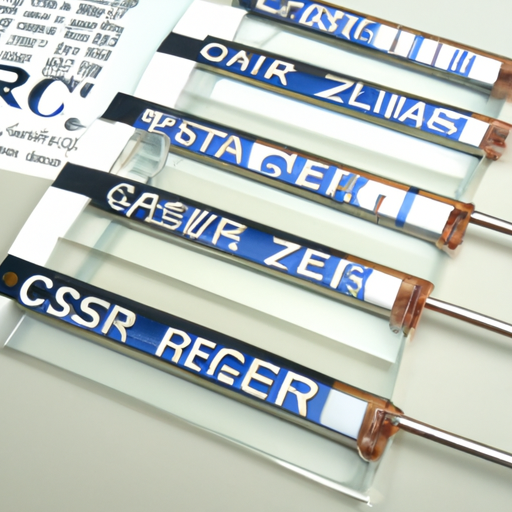
Glass glaze resistors are a type of passive electronic component that provides resistance to the flow of electric current. They are made by applying a glass glaze to a ceramic substrate, which is then fired at high temperatures to create a durable and stable resistor. This unique manufacturing process gives glass glaze resistors their distinctive properties, making them suitable for various applications.
Resistor specifications are crucial for engineers and designers as they determine how a resistor will perform in a circuit. Understanding these specifications helps in selecting the right resistor for a specific application, ensuring reliability, efficiency, and safety. In the case of glass glaze resistors, their specifications can significantly impact the performance of electronic devices.
The purpose of the specification sheet is to provide detailed information about glass glaze resistors, including their characteristics, performance metrics, and applications. This document serves as a valuable resource for engineers, designers, and manufacturers, enabling them to make informed decisions when selecting resistors for their projects.
Glass glaze resistors are primarily composed of a ceramic substrate, which provides mechanical strength and thermal stability. The resistive element is created using a mixture of metal oxides, such as tin oxide, which is blended with glass frit. This combination results in a resistor that can withstand high temperatures and harsh environmental conditions.
The manufacturing process of glass glaze resistors involves several steps. First, the ceramic substrate is prepared, followed by the application of the glass glaze mixture. The coated substrate is then fired in a kiln at high temperatures, allowing the glass to melt and bond with the ceramic. This process creates a solid, stable resistor that exhibits excellent performance characteristics.
Fixed glass glaze resistors have a predetermined resistance value that does not change. They are widely used in various electronic circuits where a stable resistance is required.
Variable glass glaze resistors, also known as potentiometers, allow users to adjust the resistance value. These resistors are commonly used in applications such as volume controls and tuning circuits.
Glass glaze resistors are commonly found in consumer electronics, including televisions, audio equipment, and computers. Their stability and reliability make them ideal for these applications.
In industrial settings, glass glaze resistors are used in control systems, automation equipment, and power supplies. Their ability to withstand harsh conditions makes them suitable for demanding environments.
Automotive applications also benefit from glass glaze resistors, which are used in engine control units, sensors, and other electronic systems. Their durability and performance under varying temperatures are critical in automotive design.
Glass glaze resistors are available in a wide range of resistance values, typically from a few ohms to several megaohms. This versatility allows engineers to select the appropriate resistor for their specific needs.
Tolerance levels indicate how much the actual resistance value may vary from the specified value. Glass glaze resistors typically have tolerance levels ranging from ±1% to ±5%, ensuring reliable performance in various applications.
The power rating of a resistor indicates the maximum amount of power it can dissipate without overheating. This specification is crucial for ensuring that the resistor operates safely within its limits.
Glass glaze resistors are available in various power ratings, commonly ranging from 0.125 watts to 5 watts. Higher power ratings are available for specialized applications.
The temperature coefficient measures how much a resistor's resistance changes with temperature. A lower temperature coefficient indicates better stability across temperature variations.
Glass glaze resistors typically have a temperature coefficient of ±100 to ±200 ppm/°C, making them suitable for applications where temperature fluctuations are expected.
The maximum operating voltage is the highest voltage that can be applied across the resistor without causing breakdown. Glass glaze resistors generally have high voltage ratings, making them suitable for various applications.
The breakdown voltage is the point at which the resistor fails and allows current to flow uncontrollably. Glass glaze resistors are designed to withstand high breakdown voltages, ensuring reliability in high-voltage applications.
Glass glaze resistors can operate effectively over a wide temperature range, typically from -55°C to +155°C. This range makes them suitable for both consumer and industrial applications.
These resistors are designed to resist humidity and moisture, making them ideal for use in environments where exposure to water or high humidity is a concern.
Glass glaze resistors exhibit excellent long-term stability, maintaining their resistance values over time. This characteristic is essential for applications requiring consistent performance.
Aging effects can impact resistor performance, but glass glaze resistors are designed to minimize these effects, ensuring reliable operation throughout their lifespan.
Thermal noise, also known as Johnson noise, is generated by the random motion of charge carriers within the resistor. Glass glaze resistors have low thermal noise levels, making them suitable for sensitive applications.
Flicker noise, or 1/f noise, can affect the performance of resistors in low-frequency applications. Glass glaze resistors are designed to minimize flicker noise, ensuring stable performance.
The performance of glass glaze resistors can be affected by frequency, particularly in high-frequency applications. Understanding the frequency response is crucial for selecting the right resistor for specific applications.
Certain applications, such as RF circuits, require resistors with specific frequency response characteristics. Glass glaze resistors can be tailored to meet these requirements.
Carbon film resistors are known for their low cost and good performance but may not offer the same level of stability and reliability as glass glaze resistors.
Metal film resistors provide excellent precision and stability but can be more expensive than glass glaze resistors. The choice between these types often depends on the specific application requirements.
Wirewound resistors are suitable for high-power applications but may not be as compact as glass glaze resistors. They also have different performance characteristics, making them suitable for specific use cases.
Glass glaze resistors offer several advantages, including high stability, reliability, and resistance to environmental factors. However, they may be more expensive than some other resistor types, which can be a consideration in cost-sensitive applications.
Glass glaze resistors must comply with various industry standards, such as IEC and MIL-PRF, to ensure quality and reliability. These standards provide guidelines for performance, testing, and safety.
Compliance with industry standards is essential for manufacturers and designers, as it ensures that the resistors meet specific performance criteria and can be trusted in critical applications.
The certification process for glass glaze resistors involves rigorous testing and evaluation to ensure compliance with relevant standards. This process helps maintain quality and reliability in the manufacturing of these components.
Glass glaze resistors are essential components in various electronic applications, offering stability, reliability, and resistance to environmental factors. Understanding their specifications is crucial for selecting the right resistor for specific needs.
As technology advances, we can expect improvements in glass glaze resistor technology, including enhanced performance characteristics, miniaturization, and increased resistance to environmental factors.
For engineers and designers, staying updated with the latest specifications and trends in glass glaze resistors is vital for ensuring the success of their projects and the reliability of their designs.
- Journal of Electronic Materials
- IEEE Transactions on Components, Packaging and Manufacturing Technology
- Electronic Design Magazine
- EDN Network
- Vishay Intertechnology
- Yageo Corporation
This comprehensive overview of glass glaze resistors and their specifications serves as a valuable resource for anyone involved in electronics design and manufacturing, highlighting the importance of these components in modern technology.
Glass glaze resistors are a type of passive electronic component that provides resistance to the flow of electric current. They are made by applying a glass glaze to a ceramic substrate, which is then fired at high temperatures to create a durable and stable resistor. This unique manufacturing process gives glass glaze resistors their distinctive properties, making them suitable for various applications.
Resistor specifications are crucial for engineers and designers as they determine how a resistor will perform in a circuit. Understanding these specifications helps in selecting the right resistor for a specific application, ensuring reliability, efficiency, and safety. In the case of glass glaze resistors, their specifications can significantly impact the performance of electronic devices.
The purpose of the specification sheet is to provide detailed information about glass glaze resistors, including their characteristics, performance metrics, and applications. This document serves as a valuable resource for engineers, designers, and manufacturers, enabling them to make informed decisions when selecting resistors for their projects.
Glass glaze resistors are primarily composed of a ceramic substrate, which provides mechanical strength and thermal stability. The resistive element is created using a mixture of metal oxides, such as tin oxide, which is blended with glass frit. This combination results in a resistor that can withstand high temperatures and harsh environmental conditions.
The manufacturing process of glass glaze resistors involves several steps. First, the ceramic substrate is prepared, followed by the application of the glass glaze mixture. The coated substrate is then fired in a kiln at high temperatures, allowing the glass to melt and bond with the ceramic. This process creates a solid, stable resistor that exhibits excellent performance characteristics.
Fixed glass glaze resistors have a predetermined resistance value that does not change. They are widely used in various electronic circuits where a stable resistance is required.
Variable glass glaze resistors, also known as potentiometers, allow users to adjust the resistance value. These resistors are commonly used in applications such as volume controls and tuning circuits.
Glass glaze resistors are commonly found in consumer electronics, including televisions, audio equipment, and computers. Their stability and reliability make them ideal for these applications.
In industrial settings, glass glaze resistors are used in control systems, automation equipment, and power supplies. Their ability to withstand harsh conditions makes them suitable for demanding environments.
Automotive applications also benefit from glass glaze resistors, which are used in engine control units, sensors, and other electronic systems. Their durability and performance under varying temperatures are critical in automotive design.
Glass glaze resistors are available in a wide range of resistance values, typically from a few ohms to several megaohms. This versatility allows engineers to select the appropriate resistor for their specific needs.
Tolerance levels indicate how much the actual resistance value may vary from the specified value. Glass glaze resistors typically have tolerance levels ranging from ±1% to ±5%, ensuring reliable performance in various applications.
The power rating of a resistor indicates the maximum amount of power it can dissipate without overheating. This specification is crucial for ensuring that the resistor operates safely within its limits.
Glass glaze resistors are available in various power ratings, commonly ranging from 0.125 watts to 5 watts. Higher power ratings are available for specialized applications.
The temperature coefficient measures how much a resistor's resistance changes with temperature. A lower temperature coefficient indicates better stability across temperature variations.
Glass glaze resistors typically have a temperature coefficient of ±100 to ±200 ppm/°C, making them suitable for applications where temperature fluctuations are expected.
The maximum operating voltage is the highest voltage that can be applied across the resistor without causing breakdown. Glass glaze resistors generally have high voltage ratings, making them suitable for various applications.
The breakdown voltage is the point at which the resistor fails and allows current to flow uncontrollably. Glass glaze resistors are designed to withstand high breakdown voltages, ensuring reliability in high-voltage applications.
Glass glaze resistors can operate effectively over a wide temperature range, typically from -55°C to +155°C. This range makes them suitable for both consumer and industrial applications.
These resistors are designed to resist humidity and moisture, making them ideal for use in environments where exposure to water or high humidity is a concern.
Glass glaze resistors exhibit excellent long-term stability, maintaining their resistance values over time. This characteristic is essential for applications requiring consistent performance.
Aging effects can impact resistor performance, but glass glaze resistors are designed to minimize these effects, ensuring reliable operation throughout their lifespan.
Thermal noise, also known as Johnson noise, is generated by the random motion of charge carriers within the resistor. Glass glaze resistors have low thermal noise levels, making them suitable for sensitive applications.
Flicker noise, or 1/f noise, can affect the performance of resistors in low-frequency applications. Glass glaze resistors are designed to minimize flicker noise, ensuring stable performance.
The performance of glass glaze resistors can be affected by frequency, particularly in high-frequency applications. Understanding the frequency response is crucial for selecting the right resistor for specific applications.
Certain applications, such as RF circuits, require resistors with specific frequency response characteristics. Glass glaze resistors can be tailored to meet these requirements.
Carbon film resistors are known for their low cost and good performance but may not offer the same level of stability and reliability as glass glaze resistors.
Metal film resistors provide excellent precision and stability but can be more expensive than glass glaze resistors. The choice between these types often depends on the specific application requirements.
Wirewound resistors are suitable for high-power applications but may not be as compact as glass glaze resistors. They also have different performance characteristics, making them suitable for specific use cases.
Glass glaze resistors offer several advantages, including high stability, reliability, and resistance to environmental factors. However, they may be more expensive than some other resistor types, which can be a consideration in cost-sensitive applications.
Glass glaze resistors must comply with various industry standards, such as IEC and MIL-PRF, to ensure quality and reliability. These standards provide guidelines for performance, testing, and safety.
Compliance with industry standards is essential for manufacturers and designers, as it ensures that the resistors meet specific performance criteria and can be trusted in critical applications.
The certification process for glass glaze resistors involves rigorous testing and evaluation to ensure compliance with relevant standards. This process helps maintain quality and reliability in the manufacturing of these components.
Glass glaze resistors are essential components in various electronic applications, offering stability, reliability, and resistance to environmental factors. Understanding their specifications is crucial for selecting the right resistor for specific needs.
As technology advances, we can expect improvements in glass glaze resistor technology, including enhanced performance characteristics, miniaturization, and increased resistance to environmental factors.
For engineers and designers, staying updated with the latest specifications and trends in glass glaze resistors is vital for ensuring the success of their projects and the reliability of their designs.
- Journal of Electronic Materials
- IEEE Transactions on Components, Packaging and Manufacturing Technology
- Electronic Design Magazine
- EDN Network
- Vishay Intertechnology
- Yageo Corporation
This comprehensive overview of glass glaze resistors and their specifications serves as a valuable resource for anyone involved in electronics design and manufacturing, highlighting the importance of these components in modern technology.