取消
Capacitors are fundamental components in modern electronic devices, playing a crucial role in energy storage, filtering, and signal processing. As technology continues to advance, the demand for skilled professionals who understand capacitors and their applications has never been higher. This blog post aims to provide a comprehensive overview of capacitor product training precautions, ensuring that individuals involved in the design, installation, and maintenance of capacitors are well-informed and equipped to handle these components safely and effectively.
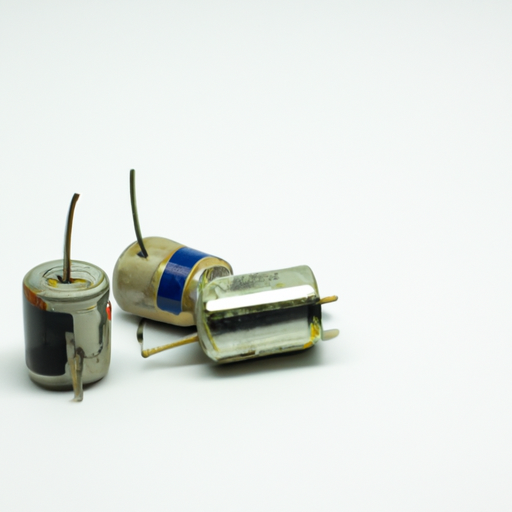
Capacitors are passive electronic components that store electrical energy in an electric field. They consist of two conductive plates separated by an insulating material known as a dielectric. When a voltage is applied across the plates, an electric field is created, allowing the capacitor to store energy. The functionality of capacitors is defined by their capacitance, which is measured in farads (F).
Capacitors serve various functions in electronic circuits, including energy storage, voltage smoothing, and signal coupling. They can release stored energy quickly, making them essential in applications requiring rapid bursts of power.
There are several types of capacitors, each with unique characteristics and applications:
Electrolytic Capacitors: Known for their high capacitance values, these capacitors are polarized and typically used in power supply circuits.
Ceramic Capacitors: These non-polarized capacitors are widely used in high-frequency applications due to their stability and low losses.
Film Capacitors: Made from thin plastic films, these capacitors are known for their reliability and are often used in audio and power applications.
Capacitors are utilized across various industries, including:
In devices such as smartphones, televisions, and computers, capacitors are used for power supply filtering, signal coupling, and energy storage.
Capacitors play a vital role in industrial machinery, providing power factor correction and energy storage for motors and other heavy equipment.
In modern vehicles, capacitors are used in various applications, including engine control units, audio systems, and safety features like airbags.
Safety is paramount when working with capacitors. Adhering to general safety guidelines can prevent accidents and injuries.
Technicians should always wear appropriate PPE, including safety glasses, gloves, and insulated tools, to protect against electrical hazards.
A clean and organized workspace is essential. Ensure that the area is free from clutter and that all tools and materials are readily accessible.
Understanding electrical safety is critical when working with capacitors.
Capacitors have specific voltage ratings that must not be exceeded. Familiarize yourself with the voltage ratings of the capacitors you are working with to avoid catastrophic failures.
Before handling capacitors, always discharge them to prevent electric shock. Use a resistor to safely discharge the capacitor, ensuring that it is completely de-energized before proceeding.
Be cautious when connecting capacitors in a circuit. Short circuits can lead to overheating and damage to the capacitor or surrounding components.
Proper handling and storage of capacitors are essential to maintain their integrity.
When handling capacitors, avoid touching the terminals with bare hands, as moisture and oils can affect performance. Use insulated tools whenever possible.
Store capacitors in a cool, dry environment, away from direct sunlight and extreme temperatures. This helps prolong their shelf life and maintain performance.
Capacitors have a limited shelf life, especially electrolytic types. Regularly check the expiration dates and replace any capacitors that have exceeded their shelf life.
Effective training programs are essential for ensuring that personnel are knowledgeable about capacitors and their safe handling.
Training can be delivered in various formats, including online courses, in-person workshops, and hands-on training sessions. Each format has its advantages, and organizations should choose the one that best fits their needs.
Training should be tailored to the target audience, which may include technicians, engineers, and sales staff. Each group will have different needs and levels of expertise.
Training programs should cover several key topics to ensure comprehensive understanding:
Participants should learn about different capacitor types, their specifications, and how to select the right capacitor for specific applications.
Understanding how to test and measure capacitors is crucial. Training should include hands-on experience with multimeters and capacitance meters.
Participants should be equipped with the skills to troubleshoot common capacitor-related issues, such as identifying signs of failure and understanding the implications of capacitor degradation.
Proper installation is critical for the performance and longevity of capacitors.
When designing circuits, consider the placement and orientation of capacitors. Ensure that they are positioned to minimize interference and maximize performance.
Use appropriate soldering techniques to avoid damaging capacitors during installation. Ensure that the soldering iron is at the correct temperature and that components are not exposed to excessive heat.
Regular maintenance and inspection can prevent issues before they arise.
Schedule regular checks to test capacitor performance and identify any potential issues. This proactive approach can save time and resources in the long run.
Be vigilant for signs of capacitor failure, such as bulging, leaking, or discoloration. Addressing these issues promptly can prevent further damage to the circuit.
Proper disposal and recycling of capacitors are essential for environmental sustainability.
Capacitors can contain hazardous materials, making proper disposal critical. Follow local regulations regarding electronic waste disposal.
Utilize designated electronic waste recycling facilities to ensure that capacitors are disposed of safely and responsibly.
One common mistake is misunderstanding capacitor ratings, leading to the selection of inappropriate components for specific applications. Always refer to manufacturer specifications.
Neglecting safety protocols can result in accidents and injuries. Always prioritize safety when working with capacitors.
Manufacturers provide essential guidelines for the use and handling of their products. Ignoring these guidelines can lead to performance issues and failures.
In conclusion, understanding the precautions necessary for capacitor product training is vital for anyone involved in the electronics industry. By adhering to safety guidelines, participating in comprehensive training programs, and following best practices, professionals can ensure the safe and effective use of capacitors in various applications. Continuous learning and staying updated on industry standards will further enhance skills and knowledge, ultimately contributing to the success of projects and the safety of individuals working with these essential components.
- "Capacitors: Technology and Applications" by John Smith
- "The Art of Electronics" by Paul Horowitz and Winfield Hill
- IEC 60384: Fixed capacitors for use in electronic equipment
- ANSI/IEEE C57.12.01: Standard for transformers
- Manufacturer datasheets and application notes
- Online training modules provided by capacitor manufacturers
By following the guidelines and recommendations outlined in this blog post, individuals can enhance their understanding of capacitors and ensure safe practices in their work environments.
Capacitors are fundamental components in modern electronic devices, playing a crucial role in energy storage, filtering, and signal processing. As technology continues to advance, the demand for skilled professionals who understand capacitors and their applications has never been higher. This blog post aims to provide a comprehensive overview of capacitor product training precautions, ensuring that individuals involved in the design, installation, and maintenance of capacitors are well-informed and equipped to handle these components safely and effectively.
Capacitors are passive electronic components that store electrical energy in an electric field. They consist of two conductive plates separated by an insulating material known as a dielectric. When a voltage is applied across the plates, an electric field is created, allowing the capacitor to store energy. The functionality of capacitors is defined by their capacitance, which is measured in farads (F).
Capacitors serve various functions in electronic circuits, including energy storage, voltage smoothing, and signal coupling. They can release stored energy quickly, making them essential in applications requiring rapid bursts of power.
There are several types of capacitors, each with unique characteristics and applications:
Electrolytic Capacitors: Known for their high capacitance values, these capacitors are polarized and typically used in power supply circuits.
Ceramic Capacitors: These non-polarized capacitors are widely used in high-frequency applications due to their stability and low losses.
Film Capacitors: Made from thin plastic films, these capacitors are known for their reliability and are often used in audio and power applications.
Capacitors are utilized across various industries, including:
In devices such as smartphones, televisions, and computers, capacitors are used for power supply filtering, signal coupling, and energy storage.
Capacitors play a vital role in industrial machinery, providing power factor correction and energy storage for motors and other heavy equipment.
In modern vehicles, capacitors are used in various applications, including engine control units, audio systems, and safety features like airbags.
Safety is paramount when working with capacitors. Adhering to general safety guidelines can prevent accidents and injuries.
Technicians should always wear appropriate PPE, including safety glasses, gloves, and insulated tools, to protect against electrical hazards.
A clean and organized workspace is essential. Ensure that the area is free from clutter and that all tools and materials are readily accessible.
Understanding electrical safety is critical when working with capacitors.
Capacitors have specific voltage ratings that must not be exceeded. Familiarize yourself with the voltage ratings of the capacitors you are working with to avoid catastrophic failures.
Before handling capacitors, always discharge them to prevent electric shock. Use a resistor to safely discharge the capacitor, ensuring that it is completely de-energized before proceeding.
Be cautious when connecting capacitors in a circuit. Short circuits can lead to overheating and damage to the capacitor or surrounding components.
Proper handling and storage of capacitors are essential to maintain their integrity.
When handling capacitors, avoid touching the terminals with bare hands, as moisture and oils can affect performance. Use insulated tools whenever possible.
Store capacitors in a cool, dry environment, away from direct sunlight and extreme temperatures. This helps prolong their shelf life and maintain performance.
Capacitors have a limited shelf life, especially electrolytic types. Regularly check the expiration dates and replace any capacitors that have exceeded their shelf life.
Effective training programs are essential for ensuring that personnel are knowledgeable about capacitors and their safe handling.
Training can be delivered in various formats, including online courses, in-person workshops, and hands-on training sessions. Each format has its advantages, and organizations should choose the one that best fits their needs.
Training should be tailored to the target audience, which may include technicians, engineers, and sales staff. Each group will have different needs and levels of expertise.
Training programs should cover several key topics to ensure comprehensive understanding:
Participants should learn about different capacitor types, their specifications, and how to select the right capacitor for specific applications.
Understanding how to test and measure capacitors is crucial. Training should include hands-on experience with multimeters and capacitance meters.
Participants should be equipped with the skills to troubleshoot common capacitor-related issues, such as identifying signs of failure and understanding the implications of capacitor degradation.
Proper installation is critical for the performance and longevity of capacitors.
When designing circuits, consider the placement and orientation of capacitors. Ensure that they are positioned to minimize interference and maximize performance.
Use appropriate soldering techniques to avoid damaging capacitors during installation. Ensure that the soldering iron is at the correct temperature and that components are not exposed to excessive heat.
Regular maintenance and inspection can prevent issues before they arise.
Schedule regular checks to test capacitor performance and identify any potential issues. This proactive approach can save time and resources in the long run.
Be vigilant for signs of capacitor failure, such as bulging, leaking, or discoloration. Addressing these issues promptly can prevent further damage to the circuit.
Proper disposal and recycling of capacitors are essential for environmental sustainability.
Capacitors can contain hazardous materials, making proper disposal critical. Follow local regulations regarding electronic waste disposal.
Utilize designated electronic waste recycling facilities to ensure that capacitors are disposed of safely and responsibly.
One common mistake is misunderstanding capacitor ratings, leading to the selection of inappropriate components for specific applications. Always refer to manufacturer specifications.
Neglecting safety protocols can result in accidents and injuries. Always prioritize safety when working with capacitors.
Manufacturers provide essential guidelines for the use and handling of their products. Ignoring these guidelines can lead to performance issues and failures.
In conclusion, understanding the precautions necessary for capacitor product training is vital for anyone involved in the electronics industry. By adhering to safety guidelines, participating in comprehensive training programs, and following best practices, professionals can ensure the safe and effective use of capacitors in various applications. Continuous learning and staying updated on industry standards will further enhance skills and knowledge, ultimately contributing to the success of projects and the safety of individuals working with these essential components.
- "Capacitors: Technology and Applications" by John Smith
- "The Art of Electronics" by Paul Horowitz and Winfield Hill
- IEC 60384: Fixed capacitors for use in electronic equipment
- ANSI/IEEE C57.12.01: Standard for transformers
- Manufacturer datasheets and application notes
- Online training modules provided by capacitor manufacturers
By following the guidelines and recommendations outlined in this blog post, individuals can enhance their understanding of capacitors and ensure safe practices in their work environments.