取消
Capacitors are fundamental components in electronic circuits, playing a crucial role in energy storage, filtering, and signal processing. They store electrical energy temporarily and release it when needed, making them essential for various applications, from consumer electronics to industrial machinery. However, the performance and reliability of capacitors are significantly influenced by their housing. This article will delve into the concept of capacitor housing, exploring its types, functions, design considerations, applications, challenges, and future trends.
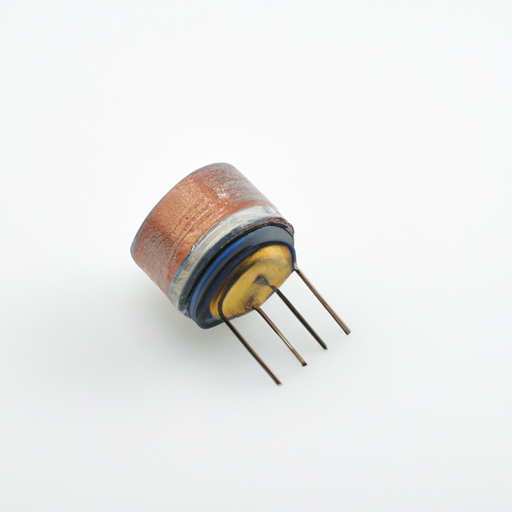
Capacitor housing refers to the protective casing that encases the internal components of a capacitor. Its primary purpose is to safeguard the capacitor's internal elements from environmental factors, mechanical stress, and electrical interference. The housing also plays a vital role in ensuring the capacitor operates efficiently and reliably over its lifespan.
Capacitor housings come in various shapes and sizes, each designed for specific applications and requirements. The most common types include:
1. **Cylindrical Housings**: These are often used for electrolytic capacitors and are characterized by their round shape. They provide a compact design and are suitable for applications where space is limited.
2. **Box-Type Housings**: Typically used for film capacitors, box-type housings offer a larger surface area, which can aid in heat dissipation. They are often found in applications requiring higher capacitance values.
3. **Surface Mount Housings**: These are designed for modern electronic devices where space is at a premium. Surface mount capacitors are soldered directly onto the circuit board, allowing for a more compact design.
The choice of material for capacitor housing is critical, as it affects the capacitor's performance and durability. Common materials include:
1. **Plastic**: Lightweight and cost-effective, plastic housings are widely used in consumer electronics. They provide adequate protection against moisture and dust.
2. **Metal**: Metal housings offer superior mechanical protection and thermal management. They are often used in industrial applications where durability is paramount.
3. **Ceramic**: Ceramic housings are known for their excellent electrical insulation properties. They are commonly used in high-frequency applications due to their low dielectric losses.
One of the primary functions of capacitor housing is to protect the internal components from environmental and mechanical factors.
1. **Environmental Protection**: Capacitor housings shield the internal components from moisture, dust, and other contaminants that could compromise performance. This is particularly important in outdoor or industrial applications.
2. **Mechanical Protection**: Capacitors are often subjected to shock and vibration, especially in automotive and industrial settings. A robust housing can absorb these stresses, preventing damage to the internal components.
Effective thermal management is crucial for capacitor performance. Capacitor housings play a significant role in heat dissipation.
1. **Heat Dissipation**: Capacitors generate heat during operation, and their housing must facilitate the dissipation of this heat to prevent overheating. Metal housings, for example, can effectively transfer heat away from the capacitor.
2. **Impact on Capacitor Performance**: Excessive heat can lead to a decrease in capacitance values and overall performance. Proper housing design can mitigate these risks, ensuring the capacitor operates within its specified temperature range.
Capacitor housings also provide electrical insulation, which is essential for safe operation.
1. **Preventing Short Circuits**: A well-designed housing prevents accidental contact between the capacitor's terminals and other conductive materials, reducing the risk of short circuits.
2. **Maintaining Capacitance Values**: Insulation helps maintain the integrity of the capacitor's electrical characteristics, ensuring it performs as intended.
When designing capacitor housings, several factors must be considered to ensure optimal performance and reliability.
1. **Impact on Circuit Design**: The size and shape of the capacitor housing can significantly influence the overall design of the circuit. Designers must consider how the housing will fit within the available space.
2. **Space Constraints in Electronic Devices**: As electronic devices become more compact, the demand for smaller capacitor housings increases. This trend drives innovation in housing design and materials.
1. **Voltage Ratings**: The housing must be designed to withstand the maximum voltage the capacitor will encounter during operation. This is crucial for preventing breakdown and ensuring safety.
2. **Capacitance Values**: Different applications require capacitors with varying capacitance values. The housing design must accommodate these specifications while maintaining performance.
The manufacturing process used to create capacitor housings can impact their quality and performance.
1. **Injection Molding**: This process is commonly used for plastic housings, allowing for precise shapes and sizes.
2. **Extrusion**: Often used for cylindrical housings, extrusion provides a continuous profile that can be cut to length.
3. **Stamping**: Metal housings are often produced through stamping, which allows for high-volume production and consistent quality.
Capacitor housings are utilized across various industries, each with unique requirements and challenges.
1. **Smartphones**: Capacitors in smartphones are often housed in compact, surface-mount designs to save space while providing reliable performance.
2. **Laptops**: In laptops, capacitors are used for power management and signal processing, requiring robust housings to protect against heat and mechanical stress.
1. **Power Supplies**: Capacitors in power supplies require durable housings to withstand high voltages and temperatures.
2. **Motor Drives**: In motor drives, capacitors help manage energy flow, necessitating housings that can handle significant electrical and thermal stresses.
1. **Electric Vehicles**: Capacitors in electric vehicles are critical for energy storage and management, requiring advanced housing designs for safety and performance.
2. **Infotainment Systems**: Capacitors in automotive infotainment systems must be compact and reliable, often utilizing surface mount housings.
Designing effective capacitor housings presents several challenges.
Manufacturers must find a balance between producing cost-effective housings and ensuring high performance and reliability. This often involves trade-offs in material selection and manufacturing processes.
Capacitor housings must comply with various industry standards and regulations, which can vary by region and application. Ensuring compliance can complicate the design and manufacturing process.
As technology advances, there is a constant demand for innovative materials and designs that enhance performance while reducing costs. Staying ahead of these trends is essential for manufacturers.
The future of capacitor housing is likely to be shaped by several key trends.
As electronic devices continue to shrink, the demand for smaller and more efficient capacitor housings will grow. This trend will drive innovation in materials and manufacturing techniques.
The integration of sensors into capacitor housings could provide real-time monitoring of performance and health, allowing for predictive maintenance and improved reliability.
With increasing awareness of environmental issues, there is a growing demand for sustainable materials and eco-friendly designs in capacitor housings. Manufacturers will need to explore biodegradable and recyclable materials to meet this demand.
Capacitor housing plays a vital role in the performance and reliability of capacitors in electronic circuits. Understanding its significance, functions, and design considerations is essential for anyone involved in electronics. As technology continues to advance, the importance of capacitor housing will only grow, driving innovation and improvements in design and materials. For those interested in electronics, further exploration of capacitors and their housings can lead to a deeper understanding of this critical component in modern technology.
A. Suggested readings and resources for further study include textbooks on electronic components, industry publications, and online resources that cover capacitor technology and design standards.
B. Industry standards and guidelines related to capacitor housing can be found through organizations such as the Institute of Electrical and Electronics Engineers (IEEE) and the International Electrotechnical Commission (IEC).
Capacitors are fundamental components in electronic circuits, playing a crucial role in energy storage, filtering, and signal processing. They store electrical energy temporarily and release it when needed, making them essential for various applications, from consumer electronics to industrial machinery. However, the performance and reliability of capacitors are significantly influenced by their housing. This article will delve into the concept of capacitor housing, exploring its types, functions, design considerations, applications, challenges, and future trends.
Capacitor housing refers to the protective casing that encases the internal components of a capacitor. Its primary purpose is to safeguard the capacitor's internal elements from environmental factors, mechanical stress, and electrical interference. The housing also plays a vital role in ensuring the capacitor operates efficiently and reliably over its lifespan.
Capacitor housings come in various shapes and sizes, each designed for specific applications and requirements. The most common types include:
1. **Cylindrical Housings**: These are often used for electrolytic capacitors and are characterized by their round shape. They provide a compact design and are suitable for applications where space is limited.
2. **Box-Type Housings**: Typically used for film capacitors, box-type housings offer a larger surface area, which can aid in heat dissipation. They are often found in applications requiring higher capacitance values.
3. **Surface Mount Housings**: These are designed for modern electronic devices where space is at a premium. Surface mount capacitors are soldered directly onto the circuit board, allowing for a more compact design.
The choice of material for capacitor housing is critical, as it affects the capacitor's performance and durability. Common materials include:
1. **Plastic**: Lightweight and cost-effective, plastic housings are widely used in consumer electronics. They provide adequate protection against moisture and dust.
2. **Metal**: Metal housings offer superior mechanical protection and thermal management. They are often used in industrial applications where durability is paramount.
3. **Ceramic**: Ceramic housings are known for their excellent electrical insulation properties. They are commonly used in high-frequency applications due to their low dielectric losses.
One of the primary functions of capacitor housing is to protect the internal components from environmental and mechanical factors.
1. **Environmental Protection**: Capacitor housings shield the internal components from moisture, dust, and other contaminants that could compromise performance. This is particularly important in outdoor or industrial applications.
2. **Mechanical Protection**: Capacitors are often subjected to shock and vibration, especially in automotive and industrial settings. A robust housing can absorb these stresses, preventing damage to the internal components.
Effective thermal management is crucial for capacitor performance. Capacitor housings play a significant role in heat dissipation.
1. **Heat Dissipation**: Capacitors generate heat during operation, and their housing must facilitate the dissipation of this heat to prevent overheating. Metal housings, for example, can effectively transfer heat away from the capacitor.
2. **Impact on Capacitor Performance**: Excessive heat can lead to a decrease in capacitance values and overall performance. Proper housing design can mitigate these risks, ensuring the capacitor operates within its specified temperature range.
Capacitor housings also provide electrical insulation, which is essential for safe operation.
1. **Preventing Short Circuits**: A well-designed housing prevents accidental contact between the capacitor's terminals and other conductive materials, reducing the risk of short circuits.
2. **Maintaining Capacitance Values**: Insulation helps maintain the integrity of the capacitor's electrical characteristics, ensuring it performs as intended.
When designing capacitor housings, several factors must be considered to ensure optimal performance and reliability.
1. **Impact on Circuit Design**: The size and shape of the capacitor housing can significantly influence the overall design of the circuit. Designers must consider how the housing will fit within the available space.
2. **Space Constraints in Electronic Devices**: As electronic devices become more compact, the demand for smaller capacitor housings increases. This trend drives innovation in housing design and materials.
1. **Voltage Ratings**: The housing must be designed to withstand the maximum voltage the capacitor will encounter during operation. This is crucial for preventing breakdown and ensuring safety.
2. **Capacitance Values**: Different applications require capacitors with varying capacitance values. The housing design must accommodate these specifications while maintaining performance.
The manufacturing process used to create capacitor housings can impact their quality and performance.
1. **Injection Molding**: This process is commonly used for plastic housings, allowing for precise shapes and sizes.
2. **Extrusion**: Often used for cylindrical housings, extrusion provides a continuous profile that can be cut to length.
3. **Stamping**: Metal housings are often produced through stamping, which allows for high-volume production and consistent quality.
Capacitor housings are utilized across various industries, each with unique requirements and challenges.
1. **Smartphones**: Capacitors in smartphones are often housed in compact, surface-mount designs to save space while providing reliable performance.
2. **Laptops**: In laptops, capacitors are used for power management and signal processing, requiring robust housings to protect against heat and mechanical stress.
1. **Power Supplies**: Capacitors in power supplies require durable housings to withstand high voltages and temperatures.
2. **Motor Drives**: In motor drives, capacitors help manage energy flow, necessitating housings that can handle significant electrical and thermal stresses.
1. **Electric Vehicles**: Capacitors in electric vehicles are critical for energy storage and management, requiring advanced housing designs for safety and performance.
2. **Infotainment Systems**: Capacitors in automotive infotainment systems must be compact and reliable, often utilizing surface mount housings.
Designing effective capacitor housings presents several challenges.
Manufacturers must find a balance between producing cost-effective housings and ensuring high performance and reliability. This often involves trade-offs in material selection and manufacturing processes.
Capacitor housings must comply with various industry standards and regulations, which can vary by region and application. Ensuring compliance can complicate the design and manufacturing process.
As technology advances, there is a constant demand for innovative materials and designs that enhance performance while reducing costs. Staying ahead of these trends is essential for manufacturers.
The future of capacitor housing is likely to be shaped by several key trends.
As electronic devices continue to shrink, the demand for smaller and more efficient capacitor housings will grow. This trend will drive innovation in materials and manufacturing techniques.
The integration of sensors into capacitor housings could provide real-time monitoring of performance and health, allowing for predictive maintenance and improved reliability.
With increasing awareness of environmental issues, there is a growing demand for sustainable materials and eco-friendly designs in capacitor housings. Manufacturers will need to explore biodegradable and recyclable materials to meet this demand.
Capacitor housing plays a vital role in the performance and reliability of capacitors in electronic circuits. Understanding its significance, functions, and design considerations is essential for anyone involved in electronics. As technology continues to advance, the importance of capacitor housing will only grow, driving innovation and improvements in design and materials. For those interested in electronics, further exploration of capacitors and their housings can lead to a deeper understanding of this critical component in modern technology.
A. Suggested readings and resources for further study include textbooks on electronic components, industry publications, and online resources that cover capacitor technology and design standards.
B. Industry standards and guidelines related to capacitor housing can be found through organizations such as the Institute of Electrical and Electronics Engineers (IEEE) and the International Electrotechnical Commission (IEC).