取消
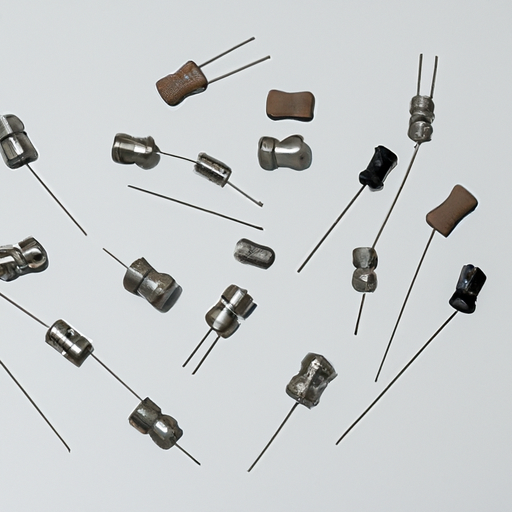
Inductors are fundamental components in electrical engineering, playing a crucial role in various applications ranging from power supplies to communication systems. An inductor is a passive electrical component that stores energy in a magnetic field when electric current flows through it. This blog post will explore the different types of inductors, their models, and their behavior in circuits, providing a comprehensive understanding of their significance in modern electronics.
Inductance is the property of an electrical conductor that opposes a change in current. It is measured in henries (H) and is defined as the ratio of the induced electromotive force (EMF) to the rate of change of current. When the current through an inductor changes, it generates a magnetic field that induces a voltage in the opposite direction, according to Lenz's Law.
Faraday's Law states that a change in magnetic flux through a circuit induces an electromotive force (EMF) in that circuit. This principle is the foundation of inductance and explains how inductors operate. The induced EMF is proportional to the rate of change of the magnetic field, which is directly related to the current flowing through the inductor.
The magnetic field generated by an inductor is crucial for its operation. When current flows through the coil of wire that makes up the inductor, it creates a magnetic field around it. The strength of this magnetic field depends on the number of turns in the coil, the current flowing through it, and the core material used in the inductor.
Inductors come in various types, each with unique characteristics and applications.
Air-core inductors consist of a coil of wire wound in the air without any magnetic core. They are simple in design and have low inductance values. The absence of a core material means they have low losses and are less affected by saturation.
Air-core inductors are commonly used in high-frequency applications, such as radio frequency (RF) circuits, where low losses and high Q factors are essential.
Iron-core inductors use a ferromagnetic core to enhance inductance. The core material increases the magnetic field strength, allowing for higher inductance values in a smaller physical size.
These inductors are widely used in power supply circuits and transformers, where high inductance and energy storage capabilities are required.
Ferrite-core inductors utilize ferrite materials, which are ceramic compounds made of iron oxide mixed with other metals. Ferrite cores have high magnetic permeability and low losses at high frequencies.
Ferrite-core inductors are commonly found in switching power supplies, RF applications, and noise filtering circuits due to their efficiency and compact size.
Toroidal inductors are wound in a doughnut-shaped core, which minimizes electromagnetic interference and enhances efficiency. The closed-loop design helps contain the magnetic field, reducing radiation losses.
These inductors are used in applications requiring low electromagnetic interference, such as audio equipment and power supplies.
Variable inductors allow for adjustable inductance values, typically achieved by changing the number of turns in the coil or by moving a core material in and out of the coil.
They are used in tuning circuits, such as radio receivers, where precise control of inductance is necessary for frequency selection.
Understanding the models of inductors is essential for accurate circuit analysis and design.
The ideal inductor model assumes that the inductor has no resistance, capacitance, or losses. It behaves purely as a passive component, storing energy in the magnetic field without dissipating any energy.
This model simplifies calculations in circuit analysis, allowing engineers to focus on the fundamental behavior of inductors without considering real-world imperfections.
In reality, inductors have series resistance due to the resistance of the wire used in the coil. This resistance leads to power losses, which must be accounted for in circuit designs.
Real inductors also exhibit parasitic capacitance between the turns of the coil and between the coil and the core. This capacitance affects the inductor's performance, especially at high frequencies.
The frequency response of a real inductor is influenced by its series resistance and parasitic capacitance, leading to a decrease in inductance at higher frequencies.
Nonlinear inductors exhibit inductance values that change with the current flowing through them. This behavior is essential in applications such as power electronics, where inductors are used in switching converters.
Nonlinear models help engineers design circuits that can handle varying loads and optimize performance in applications like DC-DC converters and inverters.
In AC circuits, inductors present impedance, which is frequency-dependent. The impedance of an inductor increases with frequency, leading to a phase shift between voltage and current.
Inductors are often paired with capacitors to form LC circuits, which can resonate at specific frequencies. This resonance is utilized in filters and oscillators.
In DC circuits, inductors resist changes in current, leading to a transient response when the current is switched on or off. This behavior is crucial in applications like motor control and energy storage.
Inductors store energy in their magnetic fields when current flows through them. When the current is interrupted, the stored energy is released, which can be harnessed in various applications.
Inductors are used in a wide range of applications, showcasing their versatility and importance in electrical engineering.
Inductors are essential in power supply circuits, where they help filter and smooth out voltage fluctuations, ensuring stable power delivery.
In RF applications, inductors are used in tuning circuits, filters, and oscillators, enabling efficient signal processing and transmission.
Inductors play a critical role in designing filters that separate different frequency components in signals, making them vital in audio and communication systems.
Inductors are used in energy storage systems, such as flyback converters and inductive energy storage devices, to manage energy flow and improve efficiency.
Inductors are integral to transformers, which transfer electrical energy between circuits through electromagnetic induction, enabling voltage transformation and isolation.
In summary, inductors are vital components in electrical engineering, with various types and models that cater to different applications. Understanding the principles of inductance, the behavior of inductors in circuits, and their practical uses is essential for engineers and designers. As technology advances, the development of new materials and designs will continue to enhance the performance and efficiency of inductors, ensuring their relevance in modern electronics.
- Academic Journals on Electrical Engineering
- Textbooks on Circuit Theory and Design
- Online Resources and Databases for Electrical Components
This blog post provides a comprehensive overview of inductors, their types, models, and applications, highlighting their significance in the field of electrical engineering.
Inductors are fundamental components in electrical engineering, playing a crucial role in various applications ranging from power supplies to communication systems. An inductor is a passive electrical component that stores energy in a magnetic field when electric current flows through it. This blog post will explore the different types of inductors, their models, and their behavior in circuits, providing a comprehensive understanding of their significance in modern electronics.
Inductance is the property of an electrical conductor that opposes a change in current. It is measured in henries (H) and is defined as the ratio of the induced electromotive force (EMF) to the rate of change of current. When the current through an inductor changes, it generates a magnetic field that induces a voltage in the opposite direction, according to Lenz's Law.
Faraday's Law states that a change in magnetic flux through a circuit induces an electromotive force (EMF) in that circuit. This principle is the foundation of inductance and explains how inductors operate. The induced EMF is proportional to the rate of change of the magnetic field, which is directly related to the current flowing through the inductor.
The magnetic field generated by an inductor is crucial for its operation. When current flows through the coil of wire that makes up the inductor, it creates a magnetic field around it. The strength of this magnetic field depends on the number of turns in the coil, the current flowing through it, and the core material used in the inductor.
Inductors come in various types, each with unique characteristics and applications.
Air-core inductors consist of a coil of wire wound in the air without any magnetic core. They are simple in design and have low inductance values. The absence of a core material means they have low losses and are less affected by saturation.
Air-core inductors are commonly used in high-frequency applications, such as radio frequency (RF) circuits, where low losses and high Q factors are essential.
Iron-core inductors use a ferromagnetic core to enhance inductance. The core material increases the magnetic field strength, allowing for higher inductance values in a smaller physical size.
These inductors are widely used in power supply circuits and transformers, where high inductance and energy storage capabilities are required.
Ferrite-core inductors utilize ferrite materials, which are ceramic compounds made of iron oxide mixed with other metals. Ferrite cores have high magnetic permeability and low losses at high frequencies.
Ferrite-core inductors are commonly found in switching power supplies, RF applications, and noise filtering circuits due to their efficiency and compact size.
Toroidal inductors are wound in a doughnut-shaped core, which minimizes electromagnetic interference and enhances efficiency. The closed-loop design helps contain the magnetic field, reducing radiation losses.
These inductors are used in applications requiring low electromagnetic interference, such as audio equipment and power supplies.
Variable inductors allow for adjustable inductance values, typically achieved by changing the number of turns in the coil or by moving a core material in and out of the coil.
They are used in tuning circuits, such as radio receivers, where precise control of inductance is necessary for frequency selection.
Understanding the models of inductors is essential for accurate circuit analysis and design.
The ideal inductor model assumes that the inductor has no resistance, capacitance, or losses. It behaves purely as a passive component, storing energy in the magnetic field without dissipating any energy.
This model simplifies calculations in circuit analysis, allowing engineers to focus on the fundamental behavior of inductors without considering real-world imperfections.
In reality, inductors have series resistance due to the resistance of the wire used in the coil. This resistance leads to power losses, which must be accounted for in circuit designs.
Real inductors also exhibit parasitic capacitance between the turns of the coil and between the coil and the core. This capacitance affects the inductor's performance, especially at high frequencies.
The frequency response of a real inductor is influenced by its series resistance and parasitic capacitance, leading to a decrease in inductance at higher frequencies.
Nonlinear inductors exhibit inductance values that change with the current flowing through them. This behavior is essential in applications such as power electronics, where inductors are used in switching converters.
Nonlinear models help engineers design circuits that can handle varying loads and optimize performance in applications like DC-DC converters and inverters.
In AC circuits, inductors present impedance, which is frequency-dependent. The impedance of an inductor increases with frequency, leading to a phase shift between voltage and current.
Inductors are often paired with capacitors to form LC circuits, which can resonate at specific frequencies. This resonance is utilized in filters and oscillators.
In DC circuits, inductors resist changes in current, leading to a transient response when the current is switched on or off. This behavior is crucial in applications like motor control and energy storage.
Inductors store energy in their magnetic fields when current flows through them. When the current is interrupted, the stored energy is released, which can be harnessed in various applications.
Inductors are used in a wide range of applications, showcasing their versatility and importance in electrical engineering.
Inductors are essential in power supply circuits, where they help filter and smooth out voltage fluctuations, ensuring stable power delivery.
In RF applications, inductors are used in tuning circuits, filters, and oscillators, enabling efficient signal processing and transmission.
Inductors play a critical role in designing filters that separate different frequency components in signals, making them vital in audio and communication systems.
Inductors are used in energy storage systems, such as flyback converters and inductive energy storage devices, to manage energy flow and improve efficiency.
Inductors are integral to transformers, which transfer electrical energy between circuits through electromagnetic induction, enabling voltage transformation and isolation.
In summary, inductors are vital components in electrical engineering, with various types and models that cater to different applications. Understanding the principles of inductance, the behavior of inductors in circuits, and their practical uses is essential for engineers and designers. As technology advances, the development of new materials and designs will continue to enhance the performance and efficiency of inductors, ensuring their relevance in modern electronics.
- Academic Journals on Electrical Engineering
- Textbooks on Circuit Theory and Design
- Online Resources and Databases for Electrical Components
This blog post provides a comprehensive overview of inductors, their types, models, and applications, highlighting their significance in the field of electrical engineering.