取消
Inductors are fundamental components in the field of electronics, playing a crucial role in various applications ranging from power supplies to radio frequency circuits. An inductor is a passive electrical component that stores energy in a magnetic field when electric current flows through it. The specifications of inductors are vital for engineers and designers, as they directly influence the performance and efficiency of electronic circuits. This document aims to provide a comprehensive overview of the latest inductor unit specifications, highlighting their importance and the latest trends in the industry.
Inductors operate on the principle of electromagnetic induction. When current passes through an inductor, it generates a magnetic field around it. This magnetic field can store energy, which can be released back into the circuit when the current changes. Inductors resist changes in current, making them essential for filtering, energy storage, and signal processing in electronic circuits.
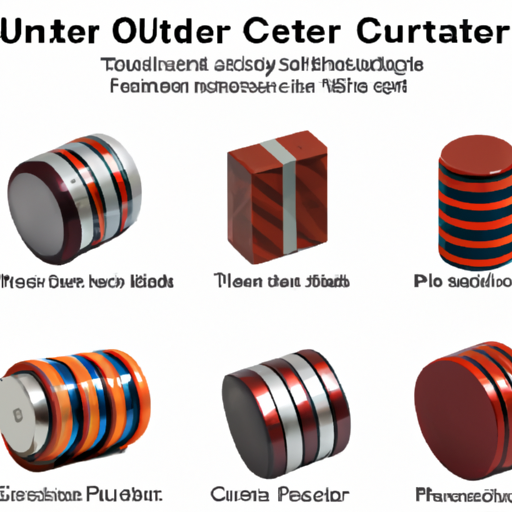
Inductors come in various types, each suited for specific applications:
1. **Air Core Inductors**: These inductors use air as the core material, providing low inductance values and high-frequency performance. They are often used in RF applications.
2. **Iron Core Inductors**: Featuring an iron core, these inductors offer higher inductance values and are commonly used in power applications due to their ability to handle larger currents.
3. **Ferrite Core Inductors**: Ferrite cores are made from a ceramic material that is magnetically conductive. These inductors are ideal for high-frequency applications and are often used in switch-mode power supplies.
4. **Toroidal Inductors**: Shaped like a doughnut, toroidal inductors provide high inductance in a compact form factor. They are known for their low electromagnetic interference (EMI) and are widely used in audio and power applications.
Inductors are utilized in various applications, including:
Power Supplies: Inductors are essential in switching power supplies, where they store energy and smooth out voltage fluctuations.
Filters: Inductors are used in LC filters to block high-frequency signals while allowing low-frequency signals to pass.
Transformers: Inductors are key components in transformers, which transfer electrical energy between circuits through electromagnetic induction.
Oscillators: Inductors are used in oscillator circuits to generate specific frequencies.
Understanding the specifications of inductors is crucial for selecting the right component for a given application. Here are the key specifications to consider:
1. **Definition and Measurement**: Inductance is the property of an inductor that quantifies its ability to store energy in a magnetic field. It is measured in henries (H), millihenries (mH), or microhenries (µH).
2. **Units of Measurement**: The inductance value is critical in determining how the inductor will behave in a circuit. Higher inductance values are typically used in power applications, while lower values are suitable for high-frequency applications.
1. **Definition and Importance**: The current rating indicates the maximum current an inductor can handle without overheating or saturating. Exceeding this rating can lead to performance degradation or failure.
2. **Saturation Current vs. Rated Current**: Saturation current is the point at which the inductor can no longer store energy effectively, while the rated current is the maximum continuous current the inductor can handle safely.
1. **Definition and Measurement**: DC resistance is the resistance of the inductor when a direct current flows through it. It is measured in ohms (Ω).
2. **Impact on Performance**: A lower DCR is desirable as it reduces power losses and improves efficiency. High DCR can lead to increased heat generation and reduced performance.
1. **Definition and Importance**: The quality factor (Q) is a measure of the inductor's efficiency, defined as the ratio of its inductive reactance to its resistance at a specific frequency.
2. **Factors Affecting Q**: The Q factor is influenced by the inductor's construction, core material, and frequency of operation. Higher Q values indicate better performance, especially in RF applications.
1. **Definition and Measurement**: The self-resonant frequency is the frequency at which the inductor's reactance equals its resistance, causing it to behave like a resonant circuit.
2. **Implications for Circuit Design**: Understanding the SRF is crucial for circuit designers, as operating an inductor above its SRF can lead to unintended behavior and reduced performance.
1. **Definition and Importance**: The temperature coefficient indicates how the inductance value changes with temperature. It is typically expressed in parts per million per degree Celsius (ppm/°C).
2. **Impact on Performance in Different Environments**: A low temperature coefficient is desirable for applications in varying temperature environments, ensuring stable performance.
The inductor industry is continuously evolving, with several trends shaping the specifications and designs of inductors:
As electronic devices become smaller and more compact, there is a growing demand for miniaturized inductors that can fit into tight spaces without compromising performance. High-density designs allow for more inductance in a smaller footprint, making them ideal for modern electronics.
1. **Use of Nanomaterials**: The incorporation of nanomaterials in inductor manufacturing has led to improved performance characteristics, such as higher inductance values and lower losses.
2. **Advances in Core Materials**: New core materials, such as high-permeability ferrites, are being developed to enhance the efficiency and performance of inductors, particularly in high-frequency applications.
1. **Low Loss Inductors**: Manufacturers are focusing on creating inductors with lower core and copper losses, which are essential for improving the overall efficiency of power electronics.
2. **High-Frequency Applications**: With the rise of wireless communication and high-speed data transfer, inductors designed for high-frequency applications are becoming increasingly important.
1. **RoHS Compliance**: The Restriction of Hazardous Substances (RoHS) directive has led to the development of inductors that are free from harmful materials, ensuring compliance with environmental regulations.
2. **Sustainable Manufacturing Practices**: Manufacturers are adopting sustainable practices to reduce waste and energy consumption during the production of inductors, contributing to a greener electronics industry.
Choosing the right inductor for a specific application requires careful consideration of several factors:
1. **Application Requirements**: Understanding the specific needs of the application, such as inductance value, current rating, and frequency, is crucial for selecting the appropriate inductor.
2. **Circuit Design Constraints**: Designers must consider the physical size, thermal management, and electromagnetic compatibility of the inductor within the overall circuit design.
1. **Inductor Selection Guides**: Many manufacturers provide selection guides that outline the specifications and applications of their inductors, making it easier for engineers to choose the right component.
2. **Simulation Software**: Circuit simulation software can help designers model the behavior of inductors in their circuits, allowing for better decision-making during the design process.
Engineers should be aware of common pitfalls when selecting inductors, such as overlooking the impact of DCR on efficiency or failing to consider the inductor's temperature coefficient in varying environments.
In summary, understanding the latest inductor unit specifications is essential for engineers and designers in the electronics industry. With advancements in technology and materials, inductors are becoming more efficient, compact, and environmentally friendly. Staying updated with these specifications and trends is crucial for ensuring optimal performance in electronic circuits. As the demand for innovative electronic solutions continues to grow, the importance of inductors and their specifications will only increase, paving the way for future developments in this vital component of modern electronics.
- Academic Journals on Electrical Engineering and Electronics
- Industry Standards and Guidelines from organizations such as IEEE and IEC
- Manufacturer Specifications and Datasheets from leading inductor manufacturers
This blog post provides a comprehensive overview of the latest inductor unit specifications, ensuring that readers are well-informed about the critical aspects of inductors in modern electronics.
Inductors are fundamental components in the field of electronics, playing a crucial role in various applications ranging from power supplies to radio frequency circuits. An inductor is a passive electrical component that stores energy in a magnetic field when electric current flows through it. The specifications of inductors are vital for engineers and designers, as they directly influence the performance and efficiency of electronic circuits. This document aims to provide a comprehensive overview of the latest inductor unit specifications, highlighting their importance and the latest trends in the industry.
Inductors operate on the principle of electromagnetic induction. When current passes through an inductor, it generates a magnetic field around it. This magnetic field can store energy, which can be released back into the circuit when the current changes. Inductors resist changes in current, making them essential for filtering, energy storage, and signal processing in electronic circuits.
Inductors come in various types, each suited for specific applications:
1. **Air Core Inductors**: These inductors use air as the core material, providing low inductance values and high-frequency performance. They are often used in RF applications.
2. **Iron Core Inductors**: Featuring an iron core, these inductors offer higher inductance values and are commonly used in power applications due to their ability to handle larger currents.
3. **Ferrite Core Inductors**: Ferrite cores are made from a ceramic material that is magnetically conductive. These inductors are ideal for high-frequency applications and are often used in switch-mode power supplies.
4. **Toroidal Inductors**: Shaped like a doughnut, toroidal inductors provide high inductance in a compact form factor. They are known for their low electromagnetic interference (EMI) and are widely used in audio and power applications.
Inductors are utilized in various applications, including:
Power Supplies: Inductors are essential in switching power supplies, where they store energy and smooth out voltage fluctuations.
Filters: Inductors are used in LC filters to block high-frequency signals while allowing low-frequency signals to pass.
Transformers: Inductors are key components in transformers, which transfer electrical energy between circuits through electromagnetic induction.
Oscillators: Inductors are used in oscillator circuits to generate specific frequencies.
Understanding the specifications of inductors is crucial for selecting the right component for a given application. Here are the key specifications to consider:
1. **Definition and Measurement**: Inductance is the property of an inductor that quantifies its ability to store energy in a magnetic field. It is measured in henries (H), millihenries (mH), or microhenries (µH).
2. **Units of Measurement**: The inductance value is critical in determining how the inductor will behave in a circuit. Higher inductance values are typically used in power applications, while lower values are suitable for high-frequency applications.
1. **Definition and Importance**: The current rating indicates the maximum current an inductor can handle without overheating or saturating. Exceeding this rating can lead to performance degradation or failure.
2. **Saturation Current vs. Rated Current**: Saturation current is the point at which the inductor can no longer store energy effectively, while the rated current is the maximum continuous current the inductor can handle safely.
1. **Definition and Measurement**: DC resistance is the resistance of the inductor when a direct current flows through it. It is measured in ohms (Ω).
2. **Impact on Performance**: A lower DCR is desirable as it reduces power losses and improves efficiency. High DCR can lead to increased heat generation and reduced performance.
1. **Definition and Importance**: The quality factor (Q) is a measure of the inductor's efficiency, defined as the ratio of its inductive reactance to its resistance at a specific frequency.
2. **Factors Affecting Q**: The Q factor is influenced by the inductor's construction, core material, and frequency of operation. Higher Q values indicate better performance, especially in RF applications.
1. **Definition and Measurement**: The self-resonant frequency is the frequency at which the inductor's reactance equals its resistance, causing it to behave like a resonant circuit.
2. **Implications for Circuit Design**: Understanding the SRF is crucial for circuit designers, as operating an inductor above its SRF can lead to unintended behavior and reduced performance.
1. **Definition and Importance**: The temperature coefficient indicates how the inductance value changes with temperature. It is typically expressed in parts per million per degree Celsius (ppm/°C).
2. **Impact on Performance in Different Environments**: A low temperature coefficient is desirable for applications in varying temperature environments, ensuring stable performance.
The inductor industry is continuously evolving, with several trends shaping the specifications and designs of inductors:
As electronic devices become smaller and more compact, there is a growing demand for miniaturized inductors that can fit into tight spaces without compromising performance. High-density designs allow for more inductance in a smaller footprint, making them ideal for modern electronics.
1. **Use of Nanomaterials**: The incorporation of nanomaterials in inductor manufacturing has led to improved performance characteristics, such as higher inductance values and lower losses.
2. **Advances in Core Materials**: New core materials, such as high-permeability ferrites, are being developed to enhance the efficiency and performance of inductors, particularly in high-frequency applications.
1. **Low Loss Inductors**: Manufacturers are focusing on creating inductors with lower core and copper losses, which are essential for improving the overall efficiency of power electronics.
2. **High-Frequency Applications**: With the rise of wireless communication and high-speed data transfer, inductors designed for high-frequency applications are becoming increasingly important.
1. **RoHS Compliance**: The Restriction of Hazardous Substances (RoHS) directive has led to the development of inductors that are free from harmful materials, ensuring compliance with environmental regulations.
2. **Sustainable Manufacturing Practices**: Manufacturers are adopting sustainable practices to reduce waste and energy consumption during the production of inductors, contributing to a greener electronics industry.
Choosing the right inductor for a specific application requires careful consideration of several factors:
1. **Application Requirements**: Understanding the specific needs of the application, such as inductance value, current rating, and frequency, is crucial for selecting the appropriate inductor.
2. **Circuit Design Constraints**: Designers must consider the physical size, thermal management, and electromagnetic compatibility of the inductor within the overall circuit design.
1. **Inductor Selection Guides**: Many manufacturers provide selection guides that outline the specifications and applications of their inductors, making it easier for engineers to choose the right component.
2. **Simulation Software**: Circuit simulation software can help designers model the behavior of inductors in their circuits, allowing for better decision-making during the design process.
Engineers should be aware of common pitfalls when selecting inductors, such as overlooking the impact of DCR on efficiency or failing to consider the inductor's temperature coefficient in varying environments.
In summary, understanding the latest inductor unit specifications is essential for engineers and designers in the electronics industry. With advancements in technology and materials, inductors are becoming more efficient, compact, and environmentally friendly. Staying updated with these specifications and trends is crucial for ensuring optimal performance in electronic circuits. As the demand for innovative electronic solutions continues to grow, the importance of inductors and their specifications will only increase, paving the way for future developments in this vital component of modern electronics.
- Academic Journals on Electrical Engineering and Electronics
- Industry Standards and Guidelines from organizations such as IEEE and IEC
- Manufacturer Specifications and Datasheets from leading inductor manufacturers
This blog post provides a comprehensive overview of the latest inductor unit specifications, ensuring that readers are well-informed about the critical aspects of inductors in modern electronics.