取消
Inductors are passive electronic components that store energy in a magnetic field when electrical current flows through them. They play a crucial role in various electronic circuits, including power supplies, filters, and oscillators. As the demand for electronic devices continues to grow, understanding the production processes of inductors becomes increasingly important. This blog post will explore the common production processes for inductor manufacturing, highlighting the types of inductors, raw materials, production techniques, challenges, and future trends.
Inductors come in various types, each designed for specific applications and performance characteristics:
Air-core inductors do not use a magnetic core, relying solely on the magnetic field generated by the wire winding. They are typically used in high-frequency applications due to their low losses and high Q-factor.
These inductors use iron as a core material, which enhances the magnetic field and increases inductance. They are commonly used in power applications where higher inductance values are required.
Ferrite-core inductors utilize ferrite materials, which are ceramic compounds that exhibit magnetic properties. They are ideal for high-frequency applications and are often used in RF circuits and transformers.
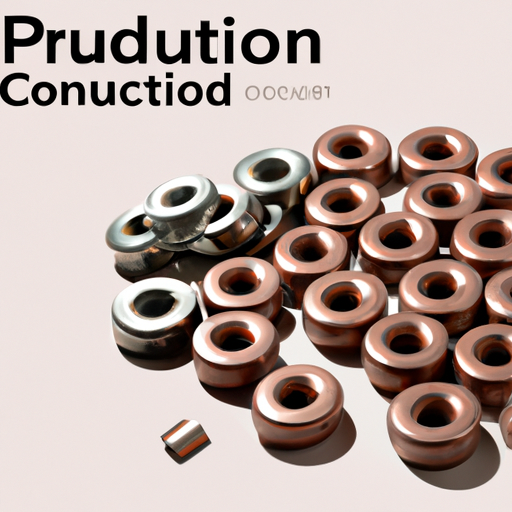
Specialized inductors, such as toroidal inductors and multilayer inductors, are designed for specific applications. Toroidal inductors have a doughnut-shaped core that minimizes electromagnetic interference, while multilayer inductors are compact and suitable for surface-mount technology.
The production of inductors involves various raw materials, each contributing to the component's performance and reliability:
Copper and aluminum are the primary conductive materials used for winding the coils. Copper is favored for its excellent conductivity, while aluminum is lighter and more cost-effective.
Ferrite and iron are commonly used as core materials. Ferrite is preferred for high-frequency applications due to its low eddy current losses, while iron is used for applications requiring higher inductance.
Insulating materials, such as polymers and ceramics, are essential for preventing short circuits between the windings. They also help maintain the integrity of the inductor under varying environmental conditions.
Coatings, such as epoxy and varnish, are applied to protect the inductor from environmental factors and enhance its durability.
The production of inductors involves several key processes, each critical to ensuring the final product meets performance specifications.
The first step in inductor production is defining the electrical specifications, including inductance value, current rating, and resistance. These specifications guide the design process.
Mechanical design involves creating the physical layout of the inductor, including dimensions and core shape. This step is crucial for ensuring the inductor fits within the intended application.
Advanced simulation tools are used to model the inductor's performance under various conditions. This helps identify potential issues before physical production begins.
Inductor winding can be performed manually or through automated machines. Automated winding is preferred for high-volume production due to its speed and consistency.
Winding techniques vary, with single-layer and multi-layer winding being the most common. Multi-layer winding increases inductance and allows for compact designs.
Precision in winding is critical, as it directly affects the inductor's performance. Any inconsistencies can lead to variations in inductance and increased losses.
Choosing the right core material is essential for achieving the desired inductance and performance characteristics. Factors such as frequency range and application requirements influence this decision.
Core materials must be shaped and prepared before assembly. This may involve cutting, grinding, or molding to achieve the desired dimensions.
Core assembly techniques include pressing and gluing. Pressing is often used for ferrite cores, while gluing may be employed for more complex shapes.
Insulation is applied to the wire windings to prevent short circuits. Common methods include enamel coating and the use of insulating tape.
Coatings, such as epoxy or varnish, are applied to protect the inductor from moisture, dust, and other environmental factors. This enhances the component's longevity.
Proper insulation is vital for maintaining the inductor's performance, especially in high-frequency applications where dielectric losses can occur.
Electrical testing involves measuring inductance, resistance, and other parameters to ensure the inductor meets specifications. This step is crucial for quality assurance.
Mechanical testing assesses the inductor's durability and thermal stability. This ensures that the component can withstand the conditions it will encounter in real-world applications.
Inductors must comply with industry standards, such as ISO and RoHS, to ensure safety and environmental responsibility.
As technology advances, so do the production techniques used in inductor manufacturing.
Automated production lines increase efficiency and reduce labor costs. They also enhance consistency and quality in the manufacturing process.
Robotic systems are increasingly used for tasks such as winding, assembly, and testing, further improving production speed and accuracy.
Additive manufacturing, or 3D printing, is emerging as a method for producing inductors. This technique allows for complex geometries and rapid prototyping.
While 3D printing offers design flexibility, it may not yet match the performance characteristics of traditionally manufactured inductors.
Manufacturers can customize inductors to meet specific application requirements, enhancing performance and efficiency.
Rapid prototyping techniques enable quick iterations of designs, allowing manufacturers to respond swiftly to market demands.
Despite advancements in technology, several challenges persist in inductor production.
The availability and cost of raw materials can fluctuate, impacting production costs and timelines.
Manufacturers must consider the environmental impact of their production processes, including waste management and energy consumption.
As technology evolves, so do the requirements for inductors. Manufacturers must continuously innovate to keep pace with changing demands.
The future of inductor production is likely to be shaped by several key trends.
The development of new materials, such as nanomaterials, may enhance the performance and efficiency of inductors, enabling smaller and more powerful designs.
The rise of the Internet of Things (IoT) is driving demand for smart inductors that can communicate and adapt to changing conditions.
Sustainable production practices will become increasingly important, with a focus on reducing waste and energy consumption.
Inductors are essential components in modern electronic circuits, and understanding their production processes is crucial for manufacturers and engineers alike. From the selection of raw materials to advanced production techniques, each step plays a vital role in ensuring the performance and reliability of inductors. As technology continues to evolve, the inductor manufacturing industry will need to adapt, embracing innovations and addressing challenges to meet the demands of the future. The outlook for inductor production is promising, with opportunities for growth and advancement in materials, design, and sustainability.
Inductors are passive electronic components that store energy in a magnetic field when electrical current flows through them. They play a crucial role in various electronic circuits, including power supplies, filters, and oscillators. As the demand for electronic devices continues to grow, understanding the production processes of inductors becomes increasingly important. This blog post will explore the common production processes for inductor manufacturing, highlighting the types of inductors, raw materials, production techniques, challenges, and future trends.
Inductors come in various types, each designed for specific applications and performance characteristics:
Air-core inductors do not use a magnetic core, relying solely on the magnetic field generated by the wire winding. They are typically used in high-frequency applications due to their low losses and high Q-factor.
These inductors use iron as a core material, which enhances the magnetic field and increases inductance. They are commonly used in power applications where higher inductance values are required.
Ferrite-core inductors utilize ferrite materials, which are ceramic compounds that exhibit magnetic properties. They are ideal for high-frequency applications and are often used in RF circuits and transformers.
Specialized inductors, such as toroidal inductors and multilayer inductors, are designed for specific applications. Toroidal inductors have a doughnut-shaped core that minimizes electromagnetic interference, while multilayer inductors are compact and suitable for surface-mount technology.
The production of inductors involves various raw materials, each contributing to the component's performance and reliability:
Copper and aluminum are the primary conductive materials used for winding the coils. Copper is favored for its excellent conductivity, while aluminum is lighter and more cost-effective.
Ferrite and iron are commonly used as core materials. Ferrite is preferred for high-frequency applications due to its low eddy current losses, while iron is used for applications requiring higher inductance.
Insulating materials, such as polymers and ceramics, are essential for preventing short circuits between the windings. They also help maintain the integrity of the inductor under varying environmental conditions.
Coatings, such as epoxy and varnish, are applied to protect the inductor from environmental factors and enhance its durability.
The production of inductors involves several key processes, each critical to ensuring the final product meets performance specifications.
The first step in inductor production is defining the electrical specifications, including inductance value, current rating, and resistance. These specifications guide the design process.
Mechanical design involves creating the physical layout of the inductor, including dimensions and core shape. This step is crucial for ensuring the inductor fits within the intended application.
Advanced simulation tools are used to model the inductor's performance under various conditions. This helps identify potential issues before physical production begins.
Inductor winding can be performed manually or through automated machines. Automated winding is preferred for high-volume production due to its speed and consistency.
Winding techniques vary, with single-layer and multi-layer winding being the most common. Multi-layer winding increases inductance and allows for compact designs.
Precision in winding is critical, as it directly affects the inductor's performance. Any inconsistencies can lead to variations in inductance and increased losses.
Choosing the right core material is essential for achieving the desired inductance and performance characteristics. Factors such as frequency range and application requirements influence this decision.
Core materials must be shaped and prepared before assembly. This may involve cutting, grinding, or molding to achieve the desired dimensions.
Core assembly techniques include pressing and gluing. Pressing is often used for ferrite cores, while gluing may be employed for more complex shapes.
Insulation is applied to the wire windings to prevent short circuits. Common methods include enamel coating and the use of insulating tape.
Coatings, such as epoxy or varnish, are applied to protect the inductor from moisture, dust, and other environmental factors. This enhances the component's longevity.
Proper insulation is vital for maintaining the inductor's performance, especially in high-frequency applications where dielectric losses can occur.
Electrical testing involves measuring inductance, resistance, and other parameters to ensure the inductor meets specifications. This step is crucial for quality assurance.
Mechanical testing assesses the inductor's durability and thermal stability. This ensures that the component can withstand the conditions it will encounter in real-world applications.
Inductors must comply with industry standards, such as ISO and RoHS, to ensure safety and environmental responsibility.
As technology advances, so do the production techniques used in inductor manufacturing.
Automated production lines increase efficiency and reduce labor costs. They also enhance consistency and quality in the manufacturing process.
Robotic systems are increasingly used for tasks such as winding, assembly, and testing, further improving production speed and accuracy.
Additive manufacturing, or 3D printing, is emerging as a method for producing inductors. This technique allows for complex geometries and rapid prototyping.
While 3D printing offers design flexibility, it may not yet match the performance characteristics of traditionally manufactured inductors.
Manufacturers can customize inductors to meet specific application requirements, enhancing performance and efficiency.
Rapid prototyping techniques enable quick iterations of designs, allowing manufacturers to respond swiftly to market demands.
Despite advancements in technology, several challenges persist in inductor production.
The availability and cost of raw materials can fluctuate, impacting production costs and timelines.
Manufacturers must consider the environmental impact of their production processes, including waste management and energy consumption.
As technology evolves, so do the requirements for inductors. Manufacturers must continuously innovate to keep pace with changing demands.
The future of inductor production is likely to be shaped by several key trends.
The development of new materials, such as nanomaterials, may enhance the performance and efficiency of inductors, enabling smaller and more powerful designs.
The rise of the Internet of Things (IoT) is driving demand for smart inductors that can communicate and adapt to changing conditions.
Sustainable production practices will become increasingly important, with a focus on reducing waste and energy consumption.
Inductors are essential components in modern electronic circuits, and understanding their production processes is crucial for manufacturers and engineers alike. From the selection of raw materials to advanced production techniques, each step plays a vital role in ensuring the performance and reliability of inductors. As technology continues to evolve, the inductor manufacturing industry will need to adapt, embracing innovations and addressing challenges to meet the demands of the future. The outlook for inductor production is promising, with opportunities for growth and advancement in materials, design, and sustainability.