取消
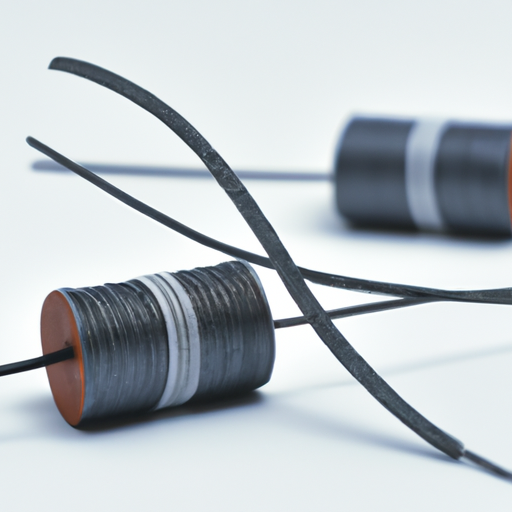
Magnetic ring inductors are passive electronic components that store energy in a magnetic field when electrical current flows through them. They are typically made of a coil of wire wound around a magnetic core, which enhances their inductance and efficiency. These components are crucial in various electronic applications, including power supplies, filters, and energy storage systems.
In the rapidly evolving landscape of electronics, magnetic ring inductors play a vital role in ensuring the efficient operation of devices. They help manage power flow, reduce electromagnetic interference, and improve overall circuit performance. As the demand for compact, energy-efficient solutions grows, the significance of magnetic ring inductors becomes even more pronounced.
This article aims to explore the current and future trends in the magnetic ring inductor industry, shedding light on technological advancements, market dynamics, and the challenges and opportunities that lie ahead.
The development of magnetic ring inductors dates back to the early days of electronics. Initially, inductors were bulky and inefficient, but advancements in materials and design have led to significant improvements. The introduction of ferrite cores in the mid-20th century marked a turning point, allowing for smaller and more efficient inductors.
Key milestones include the transition from air-core inductors to ferrite-core designs, the introduction of surface-mount technology (SMT) in the 1980s, and the recent advancements in nanomaterials that enhance performance. Each of these milestones has contributed to the evolution of magnetic ring inductors, making them indispensable in modern electronics.
The magnetic ring inductor market is characterized by several key players, including Vishay Intertechnology, Murata Manufacturing, TDK Corporation, and Coilcraft. These companies are at the forefront of innovation, continuously developing new products to meet the demands of various industries.
According to recent market research, the global magnetic ring inductor market is projected to grow significantly over the next few years, driven by the increasing demand for energy-efficient solutions and the rise of electric vehicles. The market is expected to reach several billion dollars by 2025, reflecting a compound annual growth rate (CAGR) of over 5%.
Magnetic ring inductors find applications in a wide range of industries, including automotive, telecommunications, consumer electronics, and renewable energy. Their versatility and reliability make them suitable for various applications, from power management systems to signal processing.
Recent advancements in materials science have led to the development of high-permeability materials that enhance the performance of magnetic ring inductors. These materials allow for greater energy storage and improved efficiency, making inductors more effective in various applications.
The incorporation of nanomaterials and composite materials into inductor design has opened new avenues for performance enhancement. These materials can reduce losses, improve thermal management, and enable miniaturization, which is crucial for modern electronic devices.
As electronic devices become smaller and more complex, the demand for miniaturized components has increased. Magnetic ring inductors are being designed to occupy less space while maintaining or improving performance. This trend towards integration allows for more compact circuit designs and improved functionality.
With the increasing power densities in electronic devices, effective thermal management has become a critical concern. Innovations in thermal management solutions for magnetic ring inductors, such as improved heat dissipation techniques and materials, are helping to address these challenges.
The manufacturing processes for magnetic ring inductors have evolved significantly, with advancements in automation and precision engineering. These improvements lead to higher production efficiency, reduced costs, and improved product quality.
The adoption of smart manufacturing technologies, including IoT and AI, is transforming the production of magnetic ring inductors. These technologies enable real-time monitoring and optimization of manufacturing processes, resulting in enhanced efficiency and reduced waste.
The global push for energy efficiency is a significant driver of growth in the magnetic ring inductor market. As industries seek to reduce energy consumption and carbon footprints, the demand for efficient inductors is expected to rise.
The growing adoption of electric vehicles (EVs) and renewable energy systems, such as solar and wind power, is creating new opportunities for magnetic ring inductors. These applications require efficient power management solutions, driving demand for high-performance inductors.
The consumer electronics market continues to expand, with increasing demand for compact and efficient devices. Magnetic ring inductors are essential components in smartphones, laptops, and other consumer electronics, contributing to their growth.
The magnetic ring inductor industry faces challenges related to supply chain disruptions, particularly in the wake of global events such as the COVID-19 pandemic. These disruptions can lead to delays in production and increased costs.
As technology evolves, magnetic ring inductors face competition from alternative solutions, such as digital signal processing and other passive components. Manufacturers must continuously innovate to maintain their competitive edge.
Increasing regulatory scrutiny and environmental concerns are prompting manufacturers to adopt more sustainable practices. This shift may require significant changes in production processes and materials, posing challenges for the industry.
The future of the magnetic ring inductor industry will likely see a shift towards more sustainable practices. Manufacturers are exploring eco-friendly materials and processes to reduce environmental impact and meet regulatory requirements.
As sustainability becomes a priority, the recycling and reusability of magnetic ring inductors will gain importance. Developing methods for reclaiming materials from old inductors can contribute to a circular economy.
The rise of IoT and smart devices presents new opportunities for magnetic ring inductors. These components will play a crucial role in enabling efficient power management and signal processing in connected devices.
As wireless charging technologies continue to advance, magnetic ring inductors will be essential in developing efficient charging solutions for various applications, including smartphones and electric vehicles.
The demand for customized solutions is on the rise, with industries seeking application-specific inductors that meet their unique requirements. Manufacturers will need to invest in R&D to develop tailored designs for niche markets.
Collaboration between the magnetic ring inductor industry and other sectors, such as automotive and renewable energy, will drive innovation. By working together, these industries can develop new solutions that address emerging challenges.
In the automotive sector, magnetic ring inductors are used in power management systems, electric drivetrains, and advanced driver-assistance systems (ADAS). Their reliability and efficiency are critical for the performance of modern vehicles.
Telecommunications companies rely on magnetic ring inductors for signal processing and power management in network infrastructure. Their ability to handle high frequencies and reduce interference makes them indispensable in this industry.
In consumer electronics, magnetic ring inductors are found in power supplies, audio equipment, and communication devices. Their compact size and efficiency contribute to the overall performance of these products.
Industry leaders have demonstrated the importance of innovation, collaboration, and sustainability in driving growth. By embracing new technologies and practices, companies can position themselves for success in the evolving magnetic ring inductor market.
The magnetic ring inductor industry is undergoing significant transformation, driven by technological advancements, market dynamics, and the need for sustainable practices. Key trends include the development of high-performance materials, miniaturization, and integration with emerging technologies.
As the demand for energy-efficient solutions continues to rise, the future of the magnetic ring inductor industry looks promising. Companies that embrace innovation and sustainability will be well-positioned to thrive in this competitive landscape.
Stakeholders in the magnetic ring inductor industry must remain vigilant and proactive in addressing challenges and seizing opportunities. By investing in research and development, fostering collaboration, and prioritizing sustainability, they can contribute to the industry's growth and success.
- Journal of Applied Physics
- IEEE Transactions on Power Electronics
- MarketsandMarkets: Magnetic Inductor Market Report
- Grand View Research: Inductor Market Analysis
- Insights from industry leaders and experts provide valuable perspectives on current trends and future directions in the magnetic ring inductor industry.
Magnetic ring inductors are passive electronic components that store energy in a magnetic field when electrical current flows through them. They are typically made of a coil of wire wound around a magnetic core, which enhances their inductance and efficiency. These components are crucial in various electronic applications, including power supplies, filters, and energy storage systems.
In the rapidly evolving landscape of electronics, magnetic ring inductors play a vital role in ensuring the efficient operation of devices. They help manage power flow, reduce electromagnetic interference, and improve overall circuit performance. As the demand for compact, energy-efficient solutions grows, the significance of magnetic ring inductors becomes even more pronounced.
This article aims to explore the current and future trends in the magnetic ring inductor industry, shedding light on technological advancements, market dynamics, and the challenges and opportunities that lie ahead.
The development of magnetic ring inductors dates back to the early days of electronics. Initially, inductors were bulky and inefficient, but advancements in materials and design have led to significant improvements. The introduction of ferrite cores in the mid-20th century marked a turning point, allowing for smaller and more efficient inductors.
Key milestones include the transition from air-core inductors to ferrite-core designs, the introduction of surface-mount technology (SMT) in the 1980s, and the recent advancements in nanomaterials that enhance performance. Each of these milestones has contributed to the evolution of magnetic ring inductors, making them indispensable in modern electronics.
The magnetic ring inductor market is characterized by several key players, including Vishay Intertechnology, Murata Manufacturing, TDK Corporation, and Coilcraft. These companies are at the forefront of innovation, continuously developing new products to meet the demands of various industries.
According to recent market research, the global magnetic ring inductor market is projected to grow significantly over the next few years, driven by the increasing demand for energy-efficient solutions and the rise of electric vehicles. The market is expected to reach several billion dollars by 2025, reflecting a compound annual growth rate (CAGR) of over 5%.
Magnetic ring inductors find applications in a wide range of industries, including automotive, telecommunications, consumer electronics, and renewable energy. Their versatility and reliability make them suitable for various applications, from power management systems to signal processing.
Recent advancements in materials science have led to the development of high-permeability materials that enhance the performance of magnetic ring inductors. These materials allow for greater energy storage and improved efficiency, making inductors more effective in various applications.
The incorporation of nanomaterials and composite materials into inductor design has opened new avenues for performance enhancement. These materials can reduce losses, improve thermal management, and enable miniaturization, which is crucial for modern electronic devices.
As electronic devices become smaller and more complex, the demand for miniaturized components has increased. Magnetic ring inductors are being designed to occupy less space while maintaining or improving performance. This trend towards integration allows for more compact circuit designs and improved functionality.
With the increasing power densities in electronic devices, effective thermal management has become a critical concern. Innovations in thermal management solutions for magnetic ring inductors, such as improved heat dissipation techniques and materials, are helping to address these challenges.
The manufacturing processes for magnetic ring inductors have evolved significantly, with advancements in automation and precision engineering. These improvements lead to higher production efficiency, reduced costs, and improved product quality.
The adoption of smart manufacturing technologies, including IoT and AI, is transforming the production of magnetic ring inductors. These technologies enable real-time monitoring and optimization of manufacturing processes, resulting in enhanced efficiency and reduced waste.
The global push for energy efficiency is a significant driver of growth in the magnetic ring inductor market. As industries seek to reduce energy consumption and carbon footprints, the demand for efficient inductors is expected to rise.
The growing adoption of electric vehicles (EVs) and renewable energy systems, such as solar and wind power, is creating new opportunities for magnetic ring inductors. These applications require efficient power management solutions, driving demand for high-performance inductors.
The consumer electronics market continues to expand, with increasing demand for compact and efficient devices. Magnetic ring inductors are essential components in smartphones, laptops, and other consumer electronics, contributing to their growth.
The magnetic ring inductor industry faces challenges related to supply chain disruptions, particularly in the wake of global events such as the COVID-19 pandemic. These disruptions can lead to delays in production and increased costs.
As technology evolves, magnetic ring inductors face competition from alternative solutions, such as digital signal processing and other passive components. Manufacturers must continuously innovate to maintain their competitive edge.
Increasing regulatory scrutiny and environmental concerns are prompting manufacturers to adopt more sustainable practices. This shift may require significant changes in production processes and materials, posing challenges for the industry.
The future of the magnetic ring inductor industry will likely see a shift towards more sustainable practices. Manufacturers are exploring eco-friendly materials and processes to reduce environmental impact and meet regulatory requirements.
As sustainability becomes a priority, the recycling and reusability of magnetic ring inductors will gain importance. Developing methods for reclaiming materials from old inductors can contribute to a circular economy.
The rise of IoT and smart devices presents new opportunities for magnetic ring inductors. These components will play a crucial role in enabling efficient power management and signal processing in connected devices.
As wireless charging technologies continue to advance, magnetic ring inductors will be essential in developing efficient charging solutions for various applications, including smartphones and electric vehicles.
The demand for customized solutions is on the rise, with industries seeking application-specific inductors that meet their unique requirements. Manufacturers will need to invest in R&D to develop tailored designs for niche markets.
Collaboration between the magnetic ring inductor industry and other sectors, such as automotive and renewable energy, will drive innovation. By working together, these industries can develop new solutions that address emerging challenges.
In the automotive sector, magnetic ring inductors are used in power management systems, electric drivetrains, and advanced driver-assistance systems (ADAS). Their reliability and efficiency are critical for the performance of modern vehicles.
Telecommunications companies rely on magnetic ring inductors for signal processing and power management in network infrastructure. Their ability to handle high frequencies and reduce interference makes them indispensable in this industry.
In consumer electronics, magnetic ring inductors are found in power supplies, audio equipment, and communication devices. Their compact size and efficiency contribute to the overall performance of these products.
Industry leaders have demonstrated the importance of innovation, collaboration, and sustainability in driving growth. By embracing new technologies and practices, companies can position themselves for success in the evolving magnetic ring inductor market.
The magnetic ring inductor industry is undergoing significant transformation, driven by technological advancements, market dynamics, and the need for sustainable practices. Key trends include the development of high-performance materials, miniaturization, and integration with emerging technologies.
As the demand for energy-efficient solutions continues to rise, the future of the magnetic ring inductor industry looks promising. Companies that embrace innovation and sustainability will be well-positioned to thrive in this competitive landscape.
Stakeholders in the magnetic ring inductor industry must remain vigilant and proactive in addressing challenges and seizing opportunities. By investing in research and development, fostering collaboration, and prioritizing sustainability, they can contribute to the industry's growth and success.
- Journal of Applied Physics
- IEEE Transactions on Power Electronics
- MarketsandMarkets: Magnetic Inductor Market Report
- Grand View Research: Inductor Market Analysis
- Insights from industry leaders and experts provide valuable perspectives on current trends and future directions in the magnetic ring inductor industry.