取消
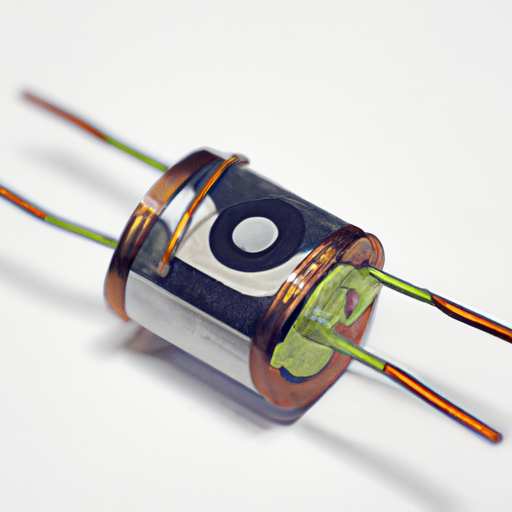
Inductors are fundamental components in electrical engineering, playing a crucial role in various applications ranging from power electronics to communication systems. An inductor is a passive electrical component that stores energy in a magnetic field when electrical current flows through it. This article will explore the basic principles of inductance, the different types of inductors, their functions, applications, factors affecting their performance, and future trends in inductor technology.
Inductance is the property of an electrical conductor that opposes a change in current. It is measured in henries (H) and is defined as the ratio of the induced electromotive force (EMF) to the rate of change of current. When the current through an inductor changes, it generates a magnetic field that induces a voltage in the opposite direction, according to Lenz's Law.
Faraday’s Law states that a change in magnetic flux through a circuit induces an electromotive force (EMF) in that circuit. This principle is the foundation of how inductors operate. When the current flowing through an inductor changes, the magnetic field around it also changes, leading to the induction of voltage.
Lenz's Law complements Faraday’s Law by stating that the direction of the induced EMF will always oppose the change in current that created it. This opposition is what gives inductors their unique ability to store energy and resist changes in current.
The inductance (L) of an inductor can be calculated using the formula:
\[ L = \frac{N \cdot \Phi}{I} \]
Where:
- \( L \) = inductance in henries (H)
- \( N \) = number of turns in the coil
- \( \Phi \) = magnetic flux in webers (Wb)
- \( I \) = current in amperes (A)
Inductors come in various types, each designed for specific applications and performance characteristics.
Air-core inductors consist of a coil of wire wound in the air without any magnetic core. They are lightweight and have low inductance values.
These inductors are commonly used in high-frequency applications, such as radio frequency (RF) circuits, where low losses are essential.
Iron-core inductors use a ferromagnetic core to enhance inductance. The core material increases the magnetic field strength, allowing for higher inductance values in a smaller size.
Iron-core inductors are widely used in power supplies and transformers due to their ability to handle higher currents and voltages.
Ferrite-core inductors utilize ferrite materials, which are ceramic compounds that exhibit magnetic properties. They are effective at high frequencies and have low core losses.
These inductors are commonly found in switching power supplies and RF applications, where efficiency is critical.
Variable inductors allow for the adjustment of inductance by changing the number of turns or the core position. They are often used in tuning circuits.
Variable inductors are used in radio transmitters and receivers, enabling fine-tuning of frequencies.
Chokes are inductors designed to block high-frequency AC signals while allowing low-frequency signals to pass. They are used in power supply circuits to filter out noise.
Transformers are inductors that transfer electrical energy between two or more circuits through electromagnetic induction. They are essential in voltage regulation and power distribution.
Inductors serve several critical functions in electronic circuits.
When current flows through an inductor, it creates a magnetic field around it. This magnetic field stores energy, which can be released when the current changes.
As the current decreases, the magnetic field collapses, inducing a voltage that can supply energy back to the circuit, making inductors essential for energy storage in power applications.
Inductors are used in low-pass filters to allow low-frequency signals to pass while attenuating high-frequency noise. This is crucial in audio and communication systems.
Conversely, inductors can also be part of high-pass filters, where they block low-frequency signals while allowing high-frequency signals to pass.
Inductors are used in power supply circuits to smooth out voltage fluctuations, providing a more stable output.
In signal processing, inductors help reduce ripple in DC signals, ensuring cleaner and more reliable signal transmission.
Inductors are integral to tuning circuits in radios, allowing users to select specific frequencies by adjusting the inductance.
In oscillator circuits, inductors work with capacitors to create resonant circuits that generate specific frequencies.
Inductors help regulate current in inductive loads, preventing sudden changes that could damage components.
In switching power supplies, inductors are used to control the flow of energy, improving efficiency and performance.
Inductors are utilized in a wide range of applications across various industries.
Inductors are essential in DC-DC converters, where they help regulate voltage and current levels.
Inverters use inductors to convert DC to AC, making them vital in renewable energy systems and electric vehicles.
Inductors are used in RF amplifiers to enhance signal strength and quality.
Inductors help match the impedance of antennas to transmit and receive signals efficiently.
In audio systems, inductors are used in crossovers to direct specific frequency ranges to the appropriate speakers.
Inductors play a role in equalizers, allowing for the adjustment of frequency response in audio signals.
Inductors are used in ignition systems to generate high-voltage sparks for combustion engines.
In electric vehicles, inductors are crucial for managing power flow and energy storage.
Inductors are used in motor drives to control the speed and torque of electric motors.
Inductors help improve power factor in industrial settings, enhancing energy efficiency.
Several factors influence the performance of inductors, including:
The choice of core material affects the inductance value, frequency response, and losses in the inductor.
The inductance value determines how much energy the inductor can store and its effectiveness in filtering and tuning applications.
Inductors have specific frequency ranges in which they operate effectively. Beyond these ranges, performance may degrade.
Each inductor has a saturation current level, beyond which its inductance decreases significantly, affecting performance.
Temperature changes can impact the resistance and inductance of the inductor, influencing its overall performance.
Inductors are vital components in modern electronics, serving various functions from energy storage to filtering and tuning. Understanding their principles, types, and applications is essential for anyone involved in electrical engineering or related fields. As technology advances, the demand for more efficient and compact inductors will continue to grow, leading to innovations in materials and designs. The future of inductor technology promises exciting developments that will further enhance their role in electronic systems.
- Academic Journals on Electrical Engineering
- Textbooks on Circuit Theory and Design
- Online Resources and Articles on Inductor Technology
This comprehensive overview of inductors highlights their significance in electrical engineering and their diverse applications across various industries. By understanding the principles and functions of inductors, engineers can design more efficient and effective electronic systems.
Inductors are fundamental components in electrical engineering, playing a crucial role in various applications ranging from power electronics to communication systems. An inductor is a passive electrical component that stores energy in a magnetic field when electrical current flows through it. This article will explore the basic principles of inductance, the different types of inductors, their functions, applications, factors affecting their performance, and future trends in inductor technology.
Inductance is the property of an electrical conductor that opposes a change in current. It is measured in henries (H) and is defined as the ratio of the induced electromotive force (EMF) to the rate of change of current. When the current through an inductor changes, it generates a magnetic field that induces a voltage in the opposite direction, according to Lenz's Law.
Faraday’s Law states that a change in magnetic flux through a circuit induces an electromotive force (EMF) in that circuit. This principle is the foundation of how inductors operate. When the current flowing through an inductor changes, the magnetic field around it also changes, leading to the induction of voltage.
Lenz's Law complements Faraday’s Law by stating that the direction of the induced EMF will always oppose the change in current that created it. This opposition is what gives inductors their unique ability to store energy and resist changes in current.
The inductance (L) of an inductor can be calculated using the formula:
\[ L = \frac{N \cdot \Phi}{I} \]
Where:
- \( L \) = inductance in henries (H)
- \( N \) = number of turns in the coil
- \( \Phi \) = magnetic flux in webers (Wb)
- \( I \) = current in amperes (A)
Inductors come in various types, each designed for specific applications and performance characteristics.
Air-core inductors consist of a coil of wire wound in the air without any magnetic core. They are lightweight and have low inductance values.
These inductors are commonly used in high-frequency applications, such as radio frequency (RF) circuits, where low losses are essential.
Iron-core inductors use a ferromagnetic core to enhance inductance. The core material increases the magnetic field strength, allowing for higher inductance values in a smaller size.
Iron-core inductors are widely used in power supplies and transformers due to their ability to handle higher currents and voltages.
Ferrite-core inductors utilize ferrite materials, which are ceramic compounds that exhibit magnetic properties. They are effective at high frequencies and have low core losses.
These inductors are commonly found in switching power supplies and RF applications, where efficiency is critical.
Variable inductors allow for the adjustment of inductance by changing the number of turns or the core position. They are often used in tuning circuits.
Variable inductors are used in radio transmitters and receivers, enabling fine-tuning of frequencies.
Chokes are inductors designed to block high-frequency AC signals while allowing low-frequency signals to pass. They are used in power supply circuits to filter out noise.
Transformers are inductors that transfer electrical energy between two or more circuits through electromagnetic induction. They are essential in voltage regulation and power distribution.
Inductors serve several critical functions in electronic circuits.
When current flows through an inductor, it creates a magnetic field around it. This magnetic field stores energy, which can be released when the current changes.
As the current decreases, the magnetic field collapses, inducing a voltage that can supply energy back to the circuit, making inductors essential for energy storage in power applications.
Inductors are used in low-pass filters to allow low-frequency signals to pass while attenuating high-frequency noise. This is crucial in audio and communication systems.
Conversely, inductors can also be part of high-pass filters, where they block low-frequency signals while allowing high-frequency signals to pass.
Inductors are used in power supply circuits to smooth out voltage fluctuations, providing a more stable output.
In signal processing, inductors help reduce ripple in DC signals, ensuring cleaner and more reliable signal transmission.
Inductors are integral to tuning circuits in radios, allowing users to select specific frequencies by adjusting the inductance.
In oscillator circuits, inductors work with capacitors to create resonant circuits that generate specific frequencies.
Inductors help regulate current in inductive loads, preventing sudden changes that could damage components.
In switching power supplies, inductors are used to control the flow of energy, improving efficiency and performance.
Inductors are utilized in a wide range of applications across various industries.
Inductors are essential in DC-DC converters, where they help regulate voltage and current levels.
Inverters use inductors to convert DC to AC, making them vital in renewable energy systems and electric vehicles.
Inductors are used in RF amplifiers to enhance signal strength and quality.
Inductors help match the impedance of antennas to transmit and receive signals efficiently.
In audio systems, inductors are used in crossovers to direct specific frequency ranges to the appropriate speakers.
Inductors play a role in equalizers, allowing for the adjustment of frequency response in audio signals.
Inductors are used in ignition systems to generate high-voltage sparks for combustion engines.
In electric vehicles, inductors are crucial for managing power flow and energy storage.
Inductors are used in motor drives to control the speed and torque of electric motors.
Inductors help improve power factor in industrial settings, enhancing energy efficiency.
Several factors influence the performance of inductors, including:
The choice of core material affects the inductance value, frequency response, and losses in the inductor.
The inductance value determines how much energy the inductor can store and its effectiveness in filtering and tuning applications.
Inductors have specific frequency ranges in which they operate effectively. Beyond these ranges, performance may degrade.
Each inductor has a saturation current level, beyond which its inductance decreases significantly, affecting performance.
Temperature changes can impact the resistance and inductance of the inductor, influencing its overall performance.
Inductors are vital components in modern electronics, serving various functions from energy storage to filtering and tuning. Understanding their principles, types, and applications is essential for anyone involved in electrical engineering or related fields. As technology advances, the demand for more efficient and compact inductors will continue to grow, leading to innovations in materials and designs. The future of inductor technology promises exciting developments that will further enhance their role in electronic systems.
- Academic Journals on Electrical Engineering
- Textbooks on Circuit Theory and Design
- Online Resources and Articles on Inductor Technology
This comprehensive overview of inductors highlights their significance in electrical engineering and their diverse applications across various industries. By understanding the principles and functions of inductors, engineers can design more efficient and effective electronic systems.