取消
In the realm of electronics, inductors play a crucial role in managing electrical energy and ensuring the smooth operation of circuits. Among the various types of inductors, magnetic bead inductors have gained significant attention due to their unique properties and applications. This article aims to explore the concept of magnetic bead inductors, their functionality, applications, advantages, limitations, and future trends in the field of electronics.
Inductance is a fundamental property of electrical circuits that describes the ability of a conductor to store energy in a magnetic field when an electric current flows through it. When the current changes, the magnetic field also changes, inducing a voltage in the conductor that opposes the change in current. This phenomenon is known as self-induction.
Inductors come in various forms, each designed for specific applications:
1. **Air-core inductors**: These inductors do not use a magnetic core, relying solely on the air surrounding the coil to create inductance. They are typically used in high-frequency applications due to their low losses.
2. **Iron-core inductors**: These inductors use an iron core to enhance inductance. The iron core increases the magnetic field strength, making them suitable for low-frequency applications.
3. **Ferrite-core inductors**: Ferrite cores are made from a ceramic material that contains iron oxide. These inductors are commonly used in high-frequency applications due to their high magnetic permeability and low losses.
Magnetic bead inductors are a specialized type of ferrite-core inductor designed to suppress high-frequency noise in electronic circuits. They are compact, lightweight, and effective in filtering out unwanted signals, making them an essential component in modern electronics.
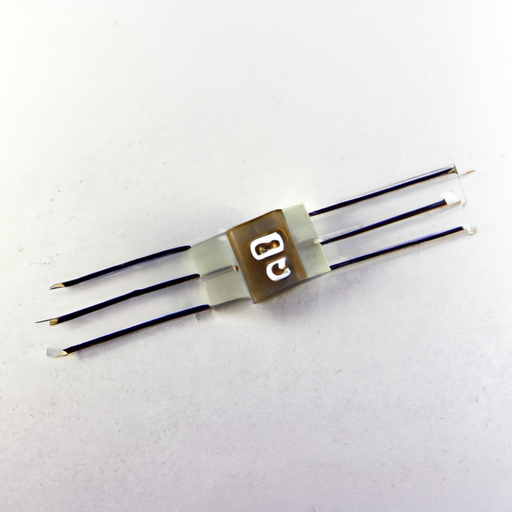
Magnetic bead inductors are typically small cylindrical components made from ferrite material. Their construction involves winding a wire around a ferrite core, which enhances the inductor's ability to store energy in a magnetic field. The size and shape of magnetic bead inductors can vary, but they are generally designed to be compact to fit into space-constrained electronic devices.
Magnetic bead inductors operate by providing a path for electrical current while simultaneously filtering out high-frequency noise. When a current passes through the inductor, it creates a magnetic field that opposes changes in current. This property allows magnetic bead inductors to effectively suppress high-frequency signals, ensuring that only the desired frequencies pass through the circuit.
In comparison to traditional inductors, magnetic bead inductors are specifically designed for noise suppression, making them more effective in applications where signal integrity is critical.
Magnetic bead inductors find applications in various electronic devices and systems, including:
One of the primary uses of magnetic bead inductors is to suppress electromagnetic interference (EMI) and radio frequency interference (RFI) in electronic devices. By filtering out unwanted high-frequency noise, they help maintain signal integrity and improve overall performance.
In power supply circuits, magnetic bead inductors are used to reduce noise and ripple in the output voltage. They help ensure a stable power supply, which is essential for the proper functioning of sensitive electronic components.
Magnetic bead inductors are commonly used in radio frequency (RF) applications, where they help filter out unwanted signals and improve the quality of transmitted and received signals. Their compact size and high-frequency performance make them ideal for RF circuits.
In high-speed data lines, such as those used in USB and HDMI connections, magnetic bead inductors play a crucial role in maintaining signal integrity. They help reduce crosstalk and other forms of interference, ensuring that data is transmitted accurately and efficiently.
Magnetic bead inductors offer several advantages that make them a popular choice in electronic design:
One of the most significant benefits of magnetic bead inductors is their compact size and lightweight design. This makes them ideal for use in portable electronic devices where space is limited.
Magnetic bead inductors are designed to operate effectively at high frequencies, making them suitable for applications in modern electronics that require fast signal processing.
Their primary function is to filter out high-frequency noise, making them essential for maintaining signal integrity in various electronic applications.
Magnetic bead inductors can be used in a wide range of applications, from consumer electronics to industrial equipment, making them a versatile component in electronic design.
Despite their advantages, magnetic bead inductors also have some limitations:
Magnetic bead inductors typically have a lower current handling capacity compared to traditional inductors. This limitation can restrict their use in high-power applications.
When subjected to high currents, magnetic bead inductors can experience saturation, where the magnetic core becomes fully magnetized and loses its inductive properties. This can lead to reduced performance and potential circuit failure.
Magnetic bead inductors can be sensitive to temperature changes, which may affect their performance. Designers must consider temperature variations when selecting and placing these components in a circuit.
When incorporating magnetic bead inductors into electronic designs, several factors must be considered:
1. **Impedance Requirements**: Designers must choose inductors with the appropriate impedance to match the specific needs of the circuit.
2. **Frequency Considerations**: The operating frequency of the circuit will influence the selection of the magnetic bead inductor, as different inductors perform better at different frequencies.
The placement of magnetic bead inductors within a circuit can significantly impact their effectiveness. Proper positioning can enhance noise suppression and improve overall circuit performance.
Designers must consider how the inclusion of magnetic bead inductors will affect the overall performance of the circuit, including factors such as signal integrity, power consumption, and thermal management.
As technology continues to advance, the field of magnetic bead inductors is also evolving. Some future trends and innovations include:
Research into new materials and manufacturing techniques is expected to lead to improved performance and efficiency in magnetic bead inductors. This could result in components that are even smaller and more effective at filtering noise.
With the rise of new technologies such as 5G, Internet of Things (IoT), and artificial intelligence, the demand for effective noise suppression will continue to grow. Magnetic bead inductors will play a vital role in ensuring the reliability and performance of these advanced systems.
As electronic devices become increasingly compact, there is a push for miniaturization and integration of components. Magnetic bead inductors may be integrated into circuit boards or combined with other components to create more efficient designs.
Magnetic bead inductors are essential components in modern electronics, providing effective noise suppression and ensuring signal integrity in a wide range of applications. Their compact size, high-frequency performance, and versatility make them a valuable asset in electronic design. As technology continues to advance, magnetic bead inductors will play an increasingly important role in shaping the future of electronics. For those interested in exploring this topic further, there are numerous resources available for deeper understanding and study.
For further reading and exploration of magnetic bead inductors and related technologies, consider the following resources:
1. "Inductors and Transformers for Power Electronics" by W. G. Hurley and W. H. Spangler.
2. "RF Circuit Design: Theory and Applications" by David M. Pozar.
3. Academic papers and industry reports on inductors and magnetic bead technology available through IEEE Xplore and other scholarly databases.
In the realm of electronics, inductors play a crucial role in managing electrical energy and ensuring the smooth operation of circuits. Among the various types of inductors, magnetic bead inductors have gained significant attention due to their unique properties and applications. This article aims to explore the concept of magnetic bead inductors, their functionality, applications, advantages, limitations, and future trends in the field of electronics.
Inductance is a fundamental property of electrical circuits that describes the ability of a conductor to store energy in a magnetic field when an electric current flows through it. When the current changes, the magnetic field also changes, inducing a voltage in the conductor that opposes the change in current. This phenomenon is known as self-induction.
Inductors come in various forms, each designed for specific applications:
1. **Air-core inductors**: These inductors do not use a magnetic core, relying solely on the air surrounding the coil to create inductance. They are typically used in high-frequency applications due to their low losses.
2. **Iron-core inductors**: These inductors use an iron core to enhance inductance. The iron core increases the magnetic field strength, making them suitable for low-frequency applications.
3. **Ferrite-core inductors**: Ferrite cores are made from a ceramic material that contains iron oxide. These inductors are commonly used in high-frequency applications due to their high magnetic permeability and low losses.
Magnetic bead inductors are a specialized type of ferrite-core inductor designed to suppress high-frequency noise in electronic circuits. They are compact, lightweight, and effective in filtering out unwanted signals, making them an essential component in modern electronics.
Magnetic bead inductors are typically small cylindrical components made from ferrite material. Their construction involves winding a wire around a ferrite core, which enhances the inductor's ability to store energy in a magnetic field. The size and shape of magnetic bead inductors can vary, but they are generally designed to be compact to fit into space-constrained electronic devices.
Magnetic bead inductors operate by providing a path for electrical current while simultaneously filtering out high-frequency noise. When a current passes through the inductor, it creates a magnetic field that opposes changes in current. This property allows magnetic bead inductors to effectively suppress high-frequency signals, ensuring that only the desired frequencies pass through the circuit.
In comparison to traditional inductors, magnetic bead inductors are specifically designed for noise suppression, making them more effective in applications where signal integrity is critical.
Magnetic bead inductors find applications in various electronic devices and systems, including:
One of the primary uses of magnetic bead inductors is to suppress electromagnetic interference (EMI) and radio frequency interference (RFI) in electronic devices. By filtering out unwanted high-frequency noise, they help maintain signal integrity and improve overall performance.
In power supply circuits, magnetic bead inductors are used to reduce noise and ripple in the output voltage. They help ensure a stable power supply, which is essential for the proper functioning of sensitive electronic components.
Magnetic bead inductors are commonly used in radio frequency (RF) applications, where they help filter out unwanted signals and improve the quality of transmitted and received signals. Their compact size and high-frequency performance make them ideal for RF circuits.
In high-speed data lines, such as those used in USB and HDMI connections, magnetic bead inductors play a crucial role in maintaining signal integrity. They help reduce crosstalk and other forms of interference, ensuring that data is transmitted accurately and efficiently.
Magnetic bead inductors offer several advantages that make them a popular choice in electronic design:
One of the most significant benefits of magnetic bead inductors is their compact size and lightweight design. This makes them ideal for use in portable electronic devices where space is limited.
Magnetic bead inductors are designed to operate effectively at high frequencies, making them suitable for applications in modern electronics that require fast signal processing.
Their primary function is to filter out high-frequency noise, making them essential for maintaining signal integrity in various electronic applications.
Magnetic bead inductors can be used in a wide range of applications, from consumer electronics to industrial equipment, making them a versatile component in electronic design.
Despite their advantages, magnetic bead inductors also have some limitations:
Magnetic bead inductors typically have a lower current handling capacity compared to traditional inductors. This limitation can restrict their use in high-power applications.
When subjected to high currents, magnetic bead inductors can experience saturation, where the magnetic core becomes fully magnetized and loses its inductive properties. This can lead to reduced performance and potential circuit failure.
Magnetic bead inductors can be sensitive to temperature changes, which may affect their performance. Designers must consider temperature variations when selecting and placing these components in a circuit.
When incorporating magnetic bead inductors into electronic designs, several factors must be considered:
1. **Impedance Requirements**: Designers must choose inductors with the appropriate impedance to match the specific needs of the circuit.
2. **Frequency Considerations**: The operating frequency of the circuit will influence the selection of the magnetic bead inductor, as different inductors perform better at different frequencies.
The placement of magnetic bead inductors within a circuit can significantly impact their effectiveness. Proper positioning can enhance noise suppression and improve overall circuit performance.
Designers must consider how the inclusion of magnetic bead inductors will affect the overall performance of the circuit, including factors such as signal integrity, power consumption, and thermal management.
As technology continues to advance, the field of magnetic bead inductors is also evolving. Some future trends and innovations include:
Research into new materials and manufacturing techniques is expected to lead to improved performance and efficiency in magnetic bead inductors. This could result in components that are even smaller and more effective at filtering noise.
With the rise of new technologies such as 5G, Internet of Things (IoT), and artificial intelligence, the demand for effective noise suppression will continue to grow. Magnetic bead inductors will play a vital role in ensuring the reliability and performance of these advanced systems.
As electronic devices become increasingly compact, there is a push for miniaturization and integration of components. Magnetic bead inductors may be integrated into circuit boards or combined with other components to create more efficient designs.
Magnetic bead inductors are essential components in modern electronics, providing effective noise suppression and ensuring signal integrity in a wide range of applications. Their compact size, high-frequency performance, and versatility make them a valuable asset in electronic design. As technology continues to advance, magnetic bead inductors will play an increasingly important role in shaping the future of electronics. For those interested in exploring this topic further, there are numerous resources available for deeper understanding and study.
For further reading and exploration of magnetic bead inductors and related technologies, consider the following resources:
1. "Inductors and Transformers for Power Electronics" by W. G. Hurley and W. H. Spangler.
2. "RF Circuit Design: Theory and Applications" by David M. Pozar.
3. Academic papers and industry reports on inductors and magnetic bead technology available through IEEE Xplore and other scholarly databases.